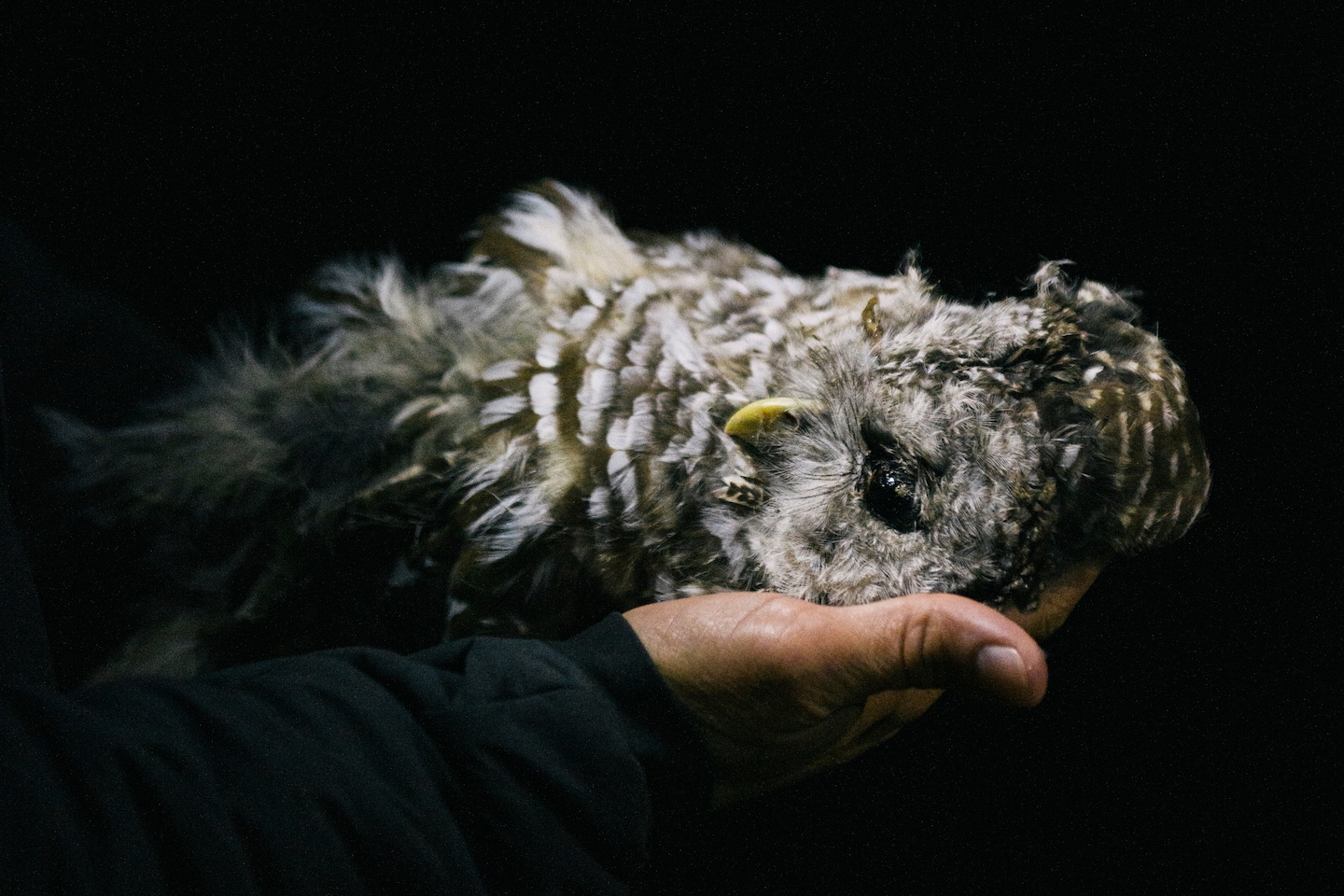
In the shadowed realms of ancient forests and silent nocturnal skies, a dramatic and often unseen battle unfolds. This is not a tale of roaring predators or rattling chainsaws, but of delicate wingbeats and the insidious encroachment of alien invaders—species that unsettle the established order and threaten the very existence of native owls. The story of invasive species and their impact on native owl populations is one that challenges our traditional views on conservation, promising a profound shift in perspective. It invites us to look deeper, to question assumptions, and to embrace the interconnectedness of ecosystems with a newfound curiosity and urgency.
The Paradoxical Presence of Invasive Species
Invasive species often arrive unseen and uninvited, carried by the tides of global trade and shifting environmental patterns. They establish themselves with surprising tenacity, exploiting niches once held exclusively by native fauna. Among these interlopers are certain owl species that, under altered ecological conditions, thrive at the expense of their indigenous counterparts. This phenomenon exemplifies a paradox: while biodiversity is celebrated, the influx of non-native species can simultaneously erode it.
For native owl populations, the invasion of species such as the barred owl in the Western United States is particularly pernicious. These invaders, often generalist predators, wield advantages in adaptability, territory acquisition, and reproductive success, enabling them to outcompete native owls like the northern spotted owl. The dynamics here exhibit not just competition, but a complex interplay of evolutionary pressures and environmental change, which challenges simplistic narratives and demands nuanced understanding.
Ecological Ramifications: Beyond the Owl’s Struggle
The ramifications of invasive species extend far beyond the immediate decline of native owl numbers. Owls occupy a pivotal ecological niche as apex nocturnal predators, regulating populations of small mammals and maintaining balance within forest ecosystems. When this balance is disrupted, cascading effects ripple through the trophic levels.
Where invasive owls supplant native species, prey populations may become destabilized or shift in composition. This, in turn, affects seed dispersal, vegetation growth, and the intricate web of life that depends on these interactions. The resulting ecological disequilibrium can lead to less resilient habitats, diminished biodiversity, and altered ecosystem services. In essence, the fate of the native owl is a bellwether for the health of entire woodland realms.
Behavioral Displacement and Territorial Supremacy
The battlefield of the twilight skies is marked not just by numbers but by behaviors forged in millennia. Invasive owls often exhibit aggressive territoriality and broader dietary preferences, enabling them to adapt to disturbed or fragmented habitats where native owls falter.
This behavioral displacement manifests in the exclusion of native species from prime nesting sites and hunting grounds. The invasive barred owl, for example, exhibits remarkable versatility and intrudes upon the habitats traditionally dominated by the northern spotted owl. Such dominance isn’t merely a numbers game; it reflects a clash of strategies, where behavioral plasticity becomes a weapon as potent as physical prowess.
Genetic Consequences and the Threat of Hybridization
One dimly lit frontier of this struggle is genetic assimilation through hybridization. As invasive and native owl species come into closer, more frequent contact, the possibility of interbreeding looms, carrying profound implications for conservation biology.
Hybridization can dilute the unique genetic identity of native species, eroding evolutionary adaptations finely tuned to local environments. This genetic swamping threatens the survival of distinct species by complicating efforts to protect them as separate conservation units. The prospect of losing a species not because of outright extinction, but through an imperceptible blending—a genetic fade into obscurity—is a sobering reminder of the subtleties inherent in invasive species impacts.
Human Interventions: Ethical Dilemmas and Conservation Decisions
Facing the invasive-native owl crisis presents conservationists with challenging ethical dilemmas. The removal or lethal control of invasive owls, while sometimes necessary, raises questions about human interference, animal rights, and the broader implications of selective interventions.
Such measures call for a delicate balance between preserving native biodiversity and acknowledging the complexities introduced by human activity. It demands transparency, rigorous science, and community engagement. Moreover, it hints at a paradigm shift—recognizing that conservation is not about restoring static past ecosystems, but managing dynamic landscapes where coexistence and compromise may become the rules rather than exceptions.
Rethinking Conservation: Towards Adaptive and Proactive Strategies
The relentless advance of invasive species challenges conservationists to rethink traditional strategies. Instead of solely focusing on preservation and protection, there is a growing emphasis on adaptive management approaches that anticipate ecological changes and seek innovative solutions.
Proactive measures include habitat restoration to bolster native owl resilience, ongoing monitoring through advanced technologies, and fostering landscape connectivity to allow species movement and adaptation. Furthermore, public education and stakeholder involvement become vital, as they cultivate shared responsibility and inspire collective action that transcends borders and disciplines.
A Call to Curiosity and Vigilance
The narrative of invasive species and native owls invites us to become more than passive observers. It urges a rekindling of curiosity—an inquisitive engagement with the natural world’s complexity and fragility. It challenges us to see beyond simple categorizations of “good” and “bad,” prompting deeper reflection on how ecosystems evolve and respond to unprecedented pressures.
In embracing this perspective, we become stewards not just of species, but of stories—stories that entwine destiny, adaptation, loss, and hope. Here, the flutter of a barred owl’s wings carries a message: the natural world is in flux, and understanding its shifting rhythms is the precursor to meaningful preservation in a changing era.