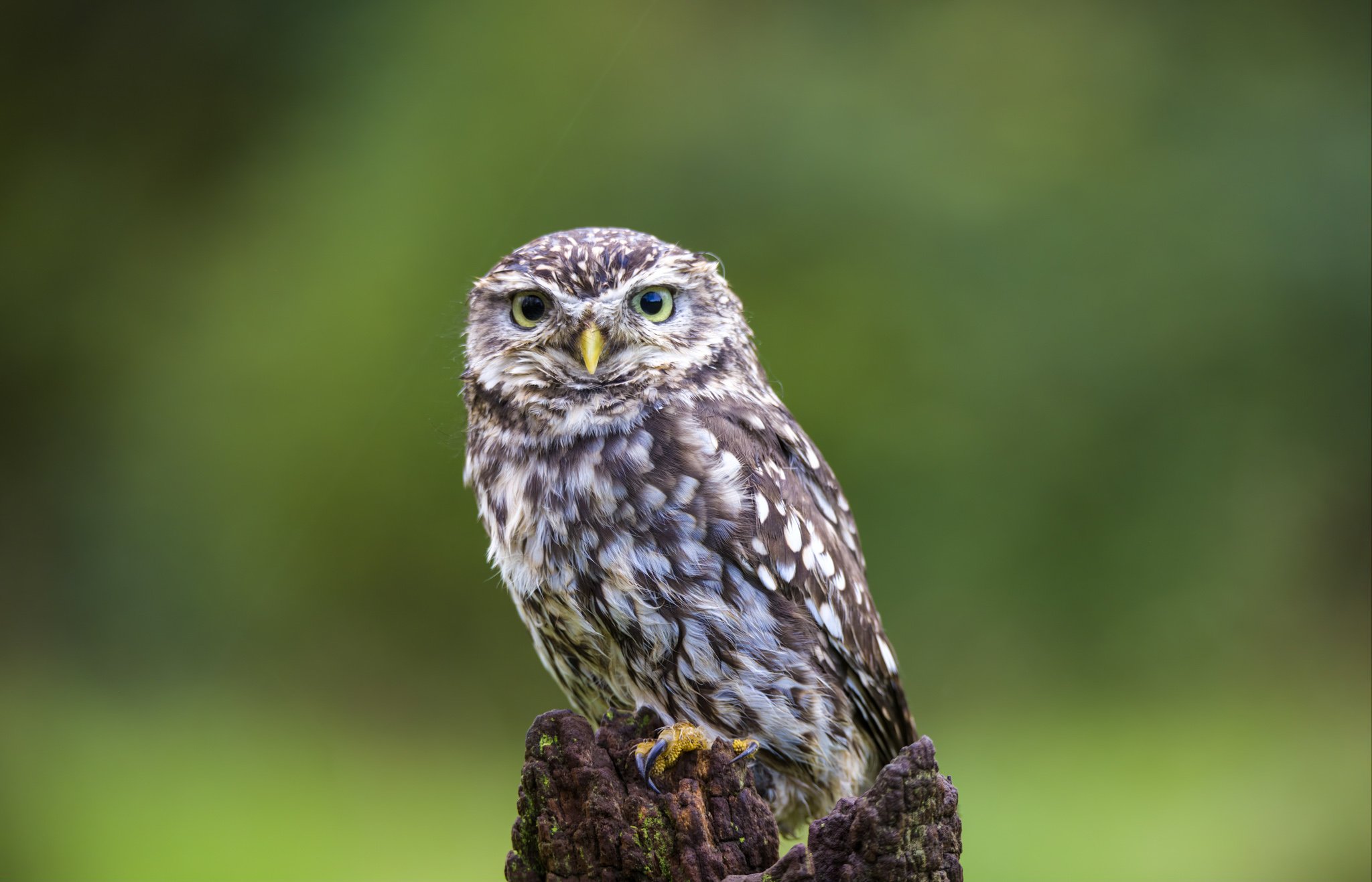
Imagine a world where the night’s symphony is missing its most hauntingly beautiful crescendo—the call of an owl. These enigmatic birds, draped in feathers of dusk and dawn, are not just silent sentinels of the forest; they are keystone species, guardians of ecological balance. Yet, their survival is under siege from habitat loss, pollution, and human encroachment. For teens eager to make a tangible difference, owl conservation offers a rare blend of adventure, science, and purpose. Whether you’re a budding biologist, an art enthusiast, or a community organizer, there’s a role for you in this vital mission. Let’s explore how you can dive into the world of owl conservation and become a steward of these magnificent creatures.
The Science Behind Owls: Why They Matter More Than You Think
Owls are far more than just the stuff of folklore and Harry Potter lore. They are apex predators, wielding silent flight and razor-sharp talons to control rodent populations and maintain the health of ecosystems. A single barn owl, for instance, can consume over 1,000 rodents in a year, reducing the need for chemical pesticides. Their presence is a barometer of environmental health—where owls thrive, biodiversity flourishes. Yet, deforestation and urban sprawl are dismantling their habitats at an alarming rate. Understanding their ecological role is the first step in appreciating why their conservation is non-negotiable. Dive into ornithology journals, watch documentaries like *The Hidden Lives of Owls*, or attend local wildlife lectures to grasp the intricate web of life they sustain.
Fieldwork Adventures: Tracking Owls in the Wild
For those who crave hands-on experience, fieldwork is the heartbeat of owl conservation. Nighttime expeditions armed with binoculars, audio recorders, and trail cameras can unravel the secrets of owl territories. Participate in nest box monitoring programs, where you’ll help install and maintain artificial nests, providing safe havens for species like the eastern screech-owl. Volunteer with wildlife rehab centers to assist in rehabilitating injured owls, learning their behaviors firsthand. Citizen science projects like eBird and the Cornell Lab’s *Feathered Friends* initiative allow you to log sightings and contribute to global databases. Each observation is a puzzle piece in the larger picture of owl migration and population trends. The thrill of spotting a great horned owl perched against the moonlight is an experience no classroom can replicate.
But fieldwork isn’t just about the thrill—it’s about patience. Owls are elusive, their camouflage nearly flawless. You’ll learn to read the subtlest signs: a scattering of pellets beneath a tree, the telltale whitewash of droppings on a branch, or the eerie trill of a screech-owl echoing through the woods. Equip yourself with a field notebook, a GPS device, and a healthy dose of curiosity. The wilderness rewards those who are persistent, and every data point you collect could be the key to protecting a species.
Habitat Restoration: Rebuilding the Homes Owls Deserve
Owls need more than just food—they need entire ecosystems to call home. Habitat restoration is where conservation meets creativity. Join local environmental groups to plant native trees and shrubs, creating corridors for owls to hunt and nest. Remove invasive species that choke out the plants owls rely on, and restore wetlands that serve as hunting grounds for species like the barred owl. Organize community tree-planting days or collaborate with schools to build owl-friendly gardens. Even small urban spaces can be transformed into havens; a single mature oak in a backyard can become a roosting site for a great horned owl.
The process is as much about education as it is about action. Teach others about the importance of dead trees (snags), which provide critical nesting sites for cavity-nesting owls. Host workshops on sustainable landscaping, emphasizing the removal of rodenticides, which poison owls when they consume contaminated prey. Restoration is a slow, deliberate act of love—one that requires long-term commitment but yields profound rewards. Picture a forest you helped revitalize, where the hoots of owls once again punctuate the night, a testament to your perseverance.
Advocacy and Awareness: Amplifying Owl Conservation Voices
Conservation isn’t just about science—it’s about storytelling. Owls captivate imaginations, making them perfect ambassadors for broader environmental causes. Launch a social media campaign using striking owl photography and infographics to educate peers about the threats they face. Create short documentaries or TikTok videos showcasing owl behaviors, debunking myths (no, they don’t hoot “who cooks for you” like a barnyard alarm clock). Write op-eds for local newspapers or design posters for school bulletin boards. Partner with art teachers to host an “Owls in Art” exhibit, blending science with creativity.
Advocacy also means holding leaders accountable. Write to policymakers demanding stronger protections for old-growth forests, where many owl species nest. Support legislation that bans harmful pesticides or funds wildlife corridors. Organize a letter-writing marathon at your school, where students draft persuasive missives to representatives. The power of collective voices cannot be overstated—when teens unite, their impact resonates far beyond their communities.
Technology and Innovation: The Future of Owl Conservation
The digital age has revolutionized conservation, offering tools that were once the stuff of sci-fi. Drones equipped with thermal imaging can locate owl nests without disturbing them. GPS trackers, when ethically deployed, reveal migration patterns and habitat use. Apps like Merlin Bird ID use AI to identify owl species from their calls, making citizen science more accessible than ever. Teens with coding skills can develop apps to track owl sightings or design interactive maps of critical habitats. Virtual reality experiences can transport classrooms into owl habitats, fostering empathy and understanding.
Even gaming can play a role. Develop a conservation-themed game where players restore owl habitats and fend off threats like deforestation. Gamification turns learning into an adventure, engaging peers who might not otherwise connect with traditional conservation efforts. The fusion of technology and ecology is limitless—imagine a world where every teen has the tools to become a conservation technologist.
Building a Lifetime of Conservation: From Teen to Steward
Owl conservation isn’t a fleeting trend—it’s a lifelong commitment. Start by joining a youth-led conservation group like the Student Conservation Association or EarthEcho International. Attend conferences like the Youth Environmental Summit to network with like-minded peers. Pursue internships at wildlife rehab centers or shadow ornithologists in the field. Document your journey in a conservation blog or vlog, inspiring others to follow your path.
The skills you cultivate—research, leadership, resilience—will serve you far beyond owl conservation. Whether you become a scientist, an artist, or a community leader, your early experiences will shape your perspective on humanity’s relationship with nature. Owls, with their silent wings and piercing gaze, remind us that even the smallest creatures hold the greatest lessons. By protecting them, you’re not just saving a species—you’re preserving the magic of the wild for generations to come.