Close your eyes for a moment. Imagine a creature that glides through the twilight like a whisper on the wind, its golden eyes piercing the darkness with an almost eerie precision. This isn’t the stuff of fairy tales—it’s the world of owls, those enigmatic guardians of the night sky. But beyond their haunting calls and silent wings lies a universe of wonder, waiting to be uncovered. Whether you’re a young explorer or a curious mind, prepare to have your perspective shifted. These aren’t just birds; they’re architects of mystery, hunters of the impossible, and living riddles wrapped in feathers. Let’s embark on a journey to unravel the secrets of these feathered phantoms.
The Silent Hunters: How Owls Defy the Laws of Flight
Picture this: a mouse scurries through the underbrush, unaware of the shadow that drifts above it. In a heartbeat, the mouse is gone—vanished into the night. The culprit? An owl, moving with a grace that defies belief. But how do these birds achieve such stealth? The answer lies in a masterclass of evolutionary engineering. Owls possess specialized feathers with serrated edges, acting like the teeth of a comb, muffling the sound of their flight. Their wings are designed to slice through the air with minimal turbulence, allowing them to approach prey undetected. Even their legs are built for silence, covered in soft, fluffy plumage that absorbs sound. It’s as if nature itself conspired to make them the ultimate nocturnal assassins.
The Eyes That See in the Dark: A Window to Another World
If you’ve ever looked into the eyes of an owl, you know the unsettling sensation of being seen by something ancient. Their eyes aren’t just large—they’re colossal, taking up nearly half the space in their skull. This isn’t a quirk of evolution; it’s a necessity. Owls have evolved tubular eyes, fixed in place, granting them binocular vision that’s the envy of any predator. But here’s the twist: their eyes are so big that they can’t move them. Instead, owls rotate their necks up to 270 degrees, allowing them to scan their surroundings without so much as a flicker. Imagine having the ability to turn your head completely around—like a living periscope. It’s a disorienting superpower that turns the world into their playground.
The Masters of Camouflage: Invisible in Plain Sight
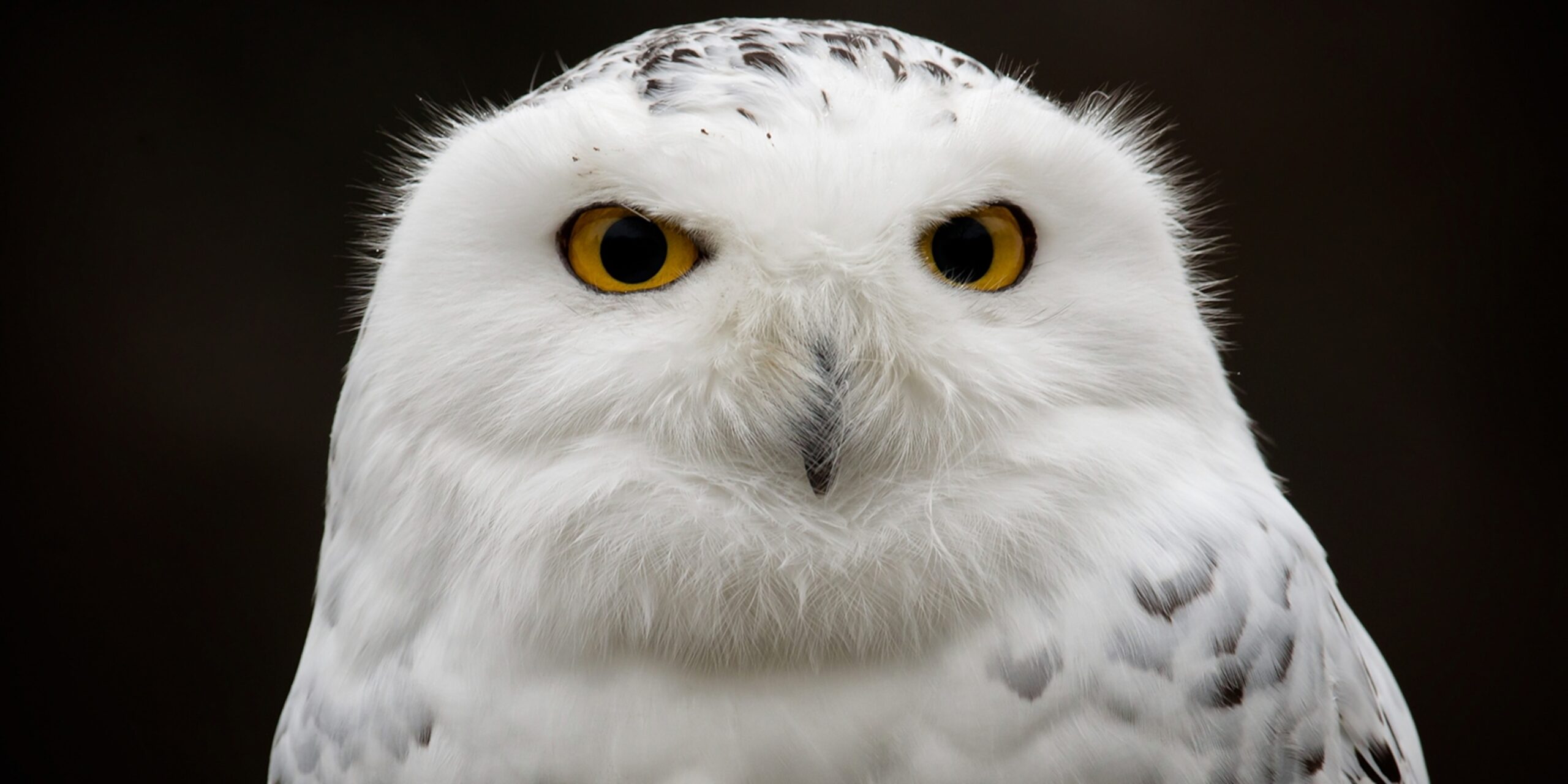
To the untrained eye, an owl perched on a branch might as well be a part of the tree itself. This isn’t luck—it’s camouflage perfected. Owls have evolved to blend seamlessly into their surroundings, their plumage mimicking the textures and hues of bark, leaves, or even snow. The snowy owl, for instance, is a ghost in the winter landscape, its white feathers a perfect disguise against the frozen tundra. But camouflage isn’t just about color; it’s about behavior. Some owls sway gently in the wind, mimicking the motion of branches, while others freeze mid-air, becoming indistinguishable from the foliage. It’s a silent pact between predator and prey—one that owls have mastered over millennia.
The Night Shift: Why Owls Rule the Darkness
While the world sleeps, owls take center stage. But why are they so drawn to the night? The answer lies in their extraordinary adaptations. Owls have evolved to hunt in low light, their eyes equipped with a high density of rod cells, which detect motion and light in the dark. Their hearing is equally impressive, with asymmetrical ear openings that allow them to pinpoint the location of prey with eerie accuracy. Even their feathers are adapted for the night, absorbing sound to ensure their approach remains undetected. It’s a symphony of senses, finely tuned to the whispers of the night. But here’s the kicker: not all owls are nocturnal. Some, like the burrowing owl, are crepuscular, active during the dawn and dusk. Others, like the northern hawk owl, hunt by day. The world of owls is far more diverse than you might imagine.
The Owl’s Diet: A Menu of the Unusual
If you think owls are picky eaters, think again. These birds are culinary adventurers, with diets that range from the mundane to the downright bizarre. While many owls feast on small mammals like mice and voles, others have more eclectic tastes. The great horned owl, for instance, has been known to dine on skunks, porcupines, and even other birds of prey. The snowy owl, a denizen of the Arctic, feasts on lemmings, rabbits, and even fish. But here’s the most surprising fact: owls don’t have teeth. Instead, they swallow their prey whole, using their powerful digestive system to separate the edible parts from the indigestible. The rest? Regurgitated as pellets. It’s a gruesome process, but one that’s essential to their survival.
The Language of Owls: Decoding Their Haunting Calls
An owl’s call is more than just a sound—it’s a language. From the eerie hoots of the great horned owl to the blood-curdling screeches of the barn owl, each call is a message, a warning, or a declaration of territory. But did you know that owls also communicate through body language? A puffed-up chest, a flick of the tail, or a slow blink can convey everything from aggression to affection. Even their ear tufts, often mistaken for horns, play a role in communication, signaling mood and intent. It’s a complex system of signals, one that’s as fascinating as it is mysterious. Next time you hear an owl’s call, listen closely. You might just be hearing a story unfold.
The Owl’s Role in Myth and Legend: Guardians of the Unknown
Across cultures and centuries, owls have been woven into the fabric of human mythology. In ancient Greece, they were the sacred companions of Athena, the goddess of wisdom. In Native American traditions, they were seen as messengers between the spirit world and the living. But not all legends are kind. In some European folklore, owls were harbingers of death, their calls a sign of impending doom. These conflicting narratives reveal a truth about owls: they are creatures of duality. They embody both wisdom and mystery, life and death, light and shadow. It’s no wonder they’ve captured our imaginations for millennia.
The Future of Owls: Protecting Nature’s Night Watchers
Despite their resilience, owls face growing threats from habitat loss, climate change, and human encroachment. But there’s hope. Conservation efforts around the world are working to protect these magnificent birds, from creating owl-friendly nesting boxes to preserving critical habitats. Even small actions, like reducing light pollution or planting native trees, can make a difference. Owls are more than just symbols—they’re indicators of a healthy ecosystem. By protecting them, we’re safeguarding the delicate balance of nature. So the next time you hear an owl’s call, remember: you’re not just listening to a bird. You’re hearing the heartbeat of the wild.