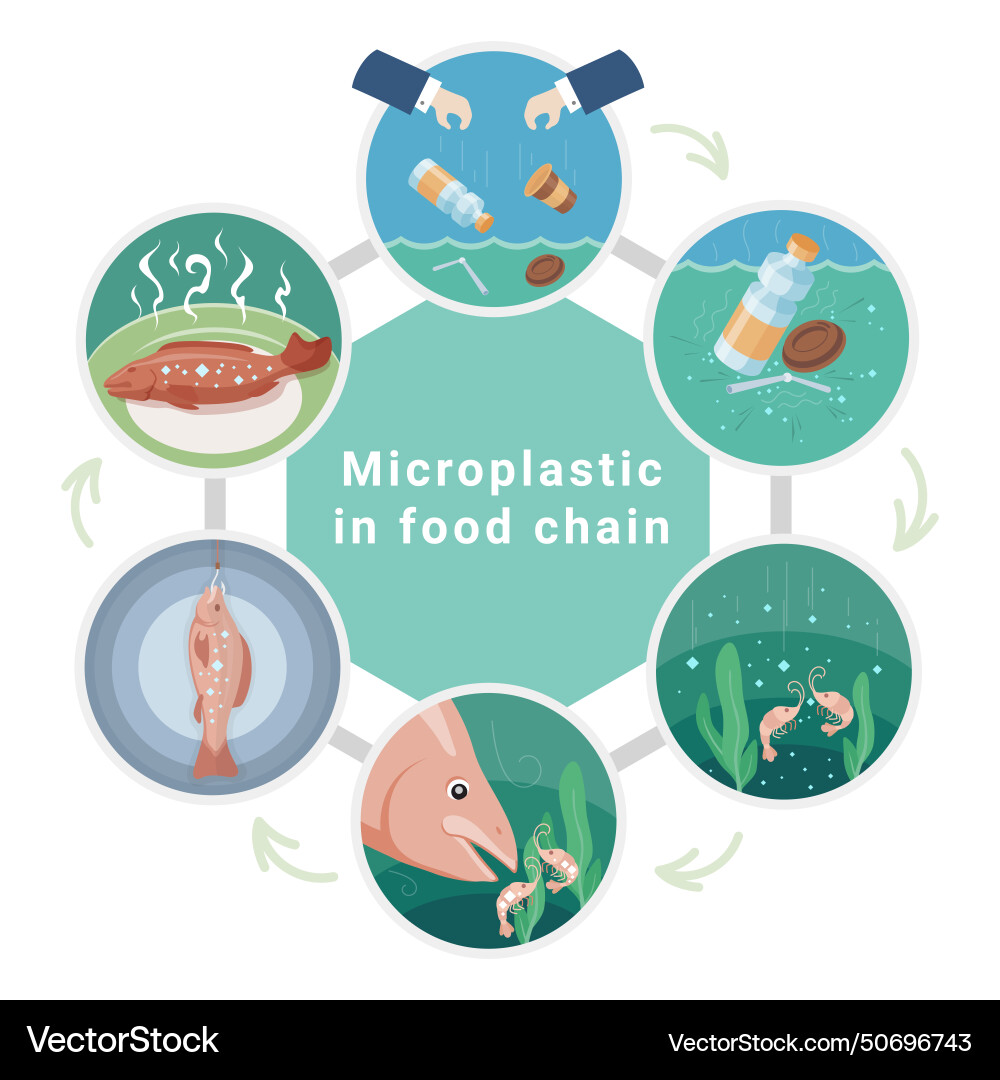
The silent sentinels of the night, owls, have long been revered as harbingers of wisdom and guardians of the natural world. Yet, beneath their watchful gaze, a sinister transformation is unfolding—one that threatens to unravel the very fabric of ecosystems. The plastic crisis, a modern-day plague, is infiltrating the food chain in ways that are as insidious as they are irreversible. From the microscopic fragments that cling to prey to the macroplastics that choke habitats, waste is rewriting the rules of survival. This is the story of how owls, and the delicate balance they represent, are becoming unwitting casualties of our throwaway culture.
The Invisible Invasion: Microplastics in the Prey of Owls
Beneath the moonlit skies, owls hunt with precision, their talons snapping shut on unsuspecting rodents and insects. But what if the very prey they rely on is laced with an invisible enemy? Microplastics, those minuscule fragments of synthetic polymers, have infiltrated every tier of the food web. Studies reveal that small mammals and insects, staples in an owl’s diet, ingest these particles through contaminated water and soil. The consequences are dire: bioaccumulation. As owls consume prey tainted with microplastics, the toxins accumulate in their tissues, impairing reproduction, weakening immune systems, and even altering behavior. The once-predatory prowess of these nocturnal hunters is now compromised by an adversary they cannot see.
The irony is stark. Owls, creatures of pristine wilderness, are now entangled in a web of human-made debris. Their digestive systems, evolved to process bones and fur, are ill-equipped to expel synthetic intruders. The result? A silent erosion of their vitality, one plastic fragment at a time. The ramifications extend beyond individual owls—entire populations face the specter of decline, their survival hinging on a food chain now laced with poison.
The Tangled Web: Macroplastics and Habitat Degradation
While microplastics wage war from within, macroplastics wage it from without. Discarded fishing nets, plastic bags, and packaging litter the landscapes owls call home. These behemoths of waste don’t just mar the scenery—they strangle habitats. Nesting sites, once safe havens for fledglings, are now littered with debris that entangles chicks or serves as deadly traps. The ground beneath an owl’s talons is no longer a tapestry of earth and stone but a minefield of suffocating synthetics.
Consider the barn owl, a species that thrives in open farmlands. Here, plastic mulch used in agriculture fragments under the sun, scattering microplastics into the soil. Earthworms, a vital food source, ingest these particles, which then travel up the chain to the owl. The cycle is unbroken, a relentless loop of contamination. Even the trees that owls perch upon bear the weight of discarded plastic bags, their branches bending under the burden of human negligence. The once-thriving ecosystems owls depend on are being smothered, their resilience eroded by the sheer volume of waste.
The Silent Killer: Toxins and the Owl’s Plight
Plastics are not mere inert objects—they are Trojan horses, laden with a cocktail of chemicals. Phthalates, bisphenol A, and a myriad of additives leach into the environment, poisoning the very air owls breathe and the water they drink. These endocrine disruptors mimic hormones, throwing the delicate balance of an owl’s physiology into disarray. Reproductive failures skyrocket as eggshells thin or fail to form altogether. Chicks hatch with deformities, their bodies betrayed by the toxins their parents unknowingly ingested.
The Great Horned Owl, a apex predator, exemplifies this tragedy. Once a symbol of untamed wilderness, it now faces a crisis of identity. Its prey is tainted, its habitat degraded, and its future uncertain. The toxins don’t just kill— they linger, persisting in the environment long after the plastic itself has crumbled into dust. The owl’s body becomes a repository for these poisons, a testament to humanity’s careless legacy.
The Ripple Effect: Ecosystem Collapse and Human Consequences
The decline of owls is not an isolated tragedy—it is a harbinger of ecosystem collapse. As apex predators, owls regulate prey populations, preventing overgrazing and maintaining biodiversity. Their disappearance triggers a domino effect: rodent populations explode, crops are ravaged, and diseases spread unchecked. The soil, once aerated by the digging of small mammals, becomes compacted and lifeless. The air, once purified by the silent work of decomposers, grows thick with the stench of decay.
Humans, too, are not immune to this crisis. The same plastics that poison owls find their way into our food, our water, and our bodies. The microplastics in an owl’s diet are the same ones we ingest through seafood and bottled water. The toxins that weaken an owl’s immune system are the same ones linked to rising rates of infertility and cancer in humans. The owl’s plight is a mirror, reflecting our own folly. What befalls the night’s guardian will, in time, befall us all.
Hope in the Dark: Solutions and the Path Forward
Yet, all is not lost. The tide can be turned. The first step is awareness—recognizing that the plastic crisis is not a distant problem but one that knocks at our doorstep, in the form of a dying owl or a choked waterway. Policies must be enacted to curb plastic production, to mandate biodegradable alternatives, and to enforce strict waste management. Communities can rise to the challenge, organizing clean-up drives and advocating for sustainable practices.
Innovation offers another beacon of hope. Biodegradable plastics, mycelium-based packaging, and enzymatic recycling are no longer the stuff of science fiction but tangible solutions within reach. Even individual actions matter—reducing single-use plastics, supporting local conservation efforts, and demanding corporate accountability. The owl’s survival hinges on our willingness to change, to trade convenience for conscience.
The night is long, and the road ahead is fraught with challenges. But the owl, that ancient symbol of wisdom, reminds us of what is at stake. It is not just the survival of a species but the integrity of the world we share. The plastic crisis is a test—and owls are the canaries in the coal mine. Will we heed their warning, or will we let the night grow silent?