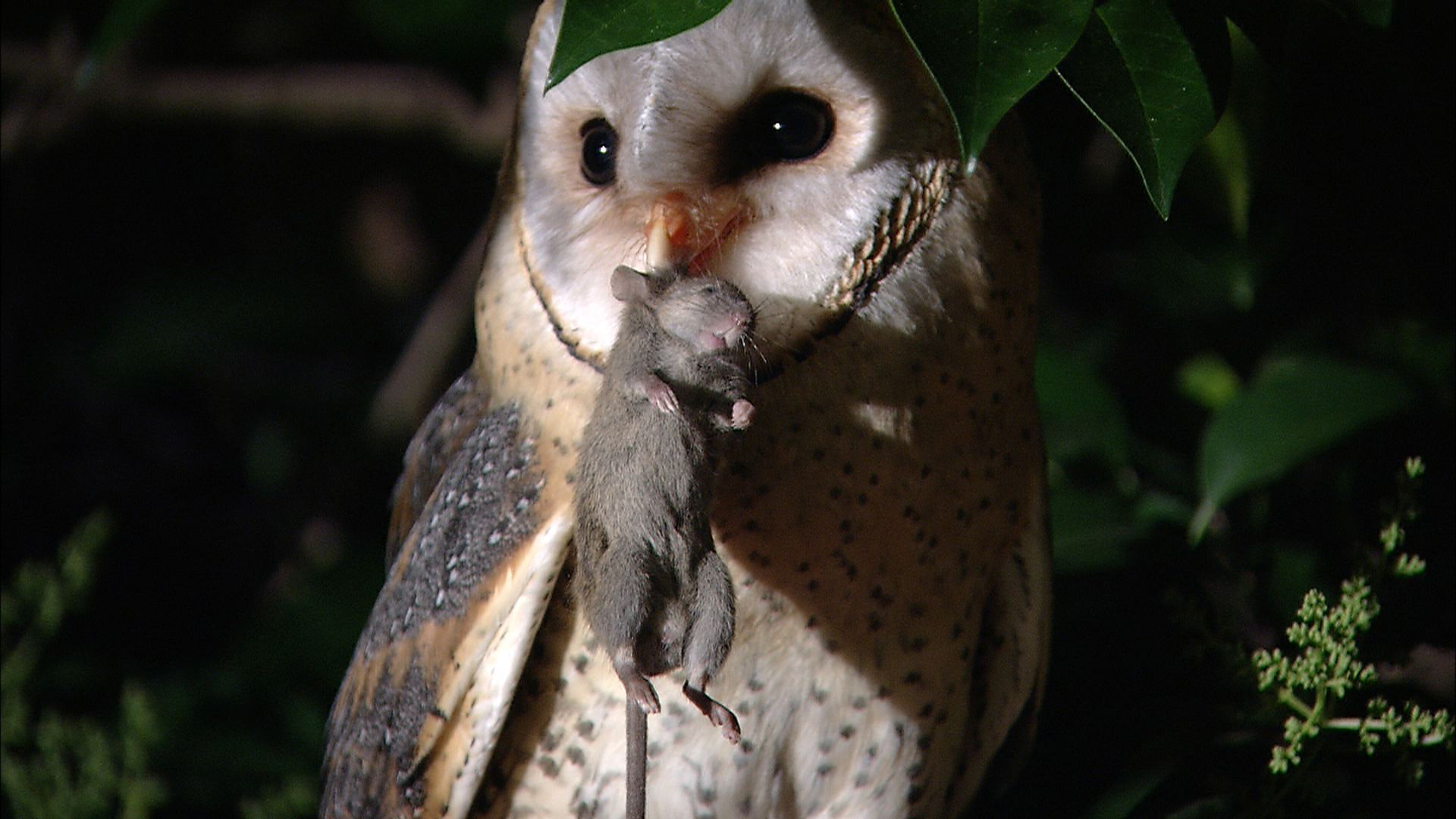
The symphony of rustling stalks and the whisper of the wind through vast, unbroken fields once teemed with life—where the night air hummed with the soft, rhythmic wingbeats of predators and the skittering of prey. Today, however, the modern agricultural landscape tells a different story. Monocultures, those vast, unyielding seas of a single crop, have reshaped the rhythm of rural ecosystems, leaving owls and their prey in a precarious dance of scarcity. This transformation isn’t just a shift in farming practice; it’s a silent erosion of biodiversity, one that echoes through the food chain and into the very heart of agricultural sustainability.
The Vanishing Buffet: How Monocultures Starve Owl Populations
Imagine a once-thriving buffet, where every dish was a feast for the taking. Now, picture that buffet reduced to a single platter—endless repetitions of the same dish, day after day. This is the reality for owls in monoculture-dominated landscapes. These birds of prey, with their keen eyes and silent flight, rely on a diverse menu of small mammals, insects, and other creatures to sustain them. Yet, when fields stretch endlessly with a single crop—be it wheat, corn, or soy—the prey base collapses. Rodents, once abundant in the underbrush and hedgerows, find fewer hiding spots and less food. Insect populations, starved of the variety they need to thrive, dwindle. The result? Owls, those sentinels of the night, face a grim paradox: an overabundance of food in theory, but a desert of it in practice.
Consider the barn owl, a master of silent predation. Its diet once included voles, mice, shrews, and even young rabbits, each contributing to a balanced nutritional intake. In a monoculture, however, the barn owl’s diet narrows to whatever happens to scurry through the sparse vegetation—often just a handful of species. This dietary monotony doesn’t just reduce the owl’s hunting success; it weakens their resilience. Starvation looms as a constant threat, especially during lean seasons when prey is scarce even in diverse ecosystems. The owl’s role as a natural pest controller becomes compromised, leaving farmers to grapple with the very pests these birds once kept in check.
The Ecological Ripple: How Reduced Prey Affects Entire Ecosystems
The decline of owl populations isn’t an isolated tragedy—it’s a crack in the foundation of an entire ecological edifice. Owls are apex predators, their presence a barometer of a healthy ecosystem. When their numbers dwindle, the ripple effects are profound. Rodent populations, no longer kept in check by these nocturnal hunters, explode. Farmers then turn to chemical pesticides, which further degrade the soil and poison non-target species, including the owls themselves. The cycle tightens: monocultures reduce prey, which reduces owl populations, which increases pests, which leads to more chemicals, which further depletes biodiversity.
But the impact doesn’t stop at the farm’s edge. Birds that share the owl’s habitat—songbirds, game birds, even other raptors—face increased competition for dwindling resources. Insectivorous birds struggle as insect populations crash, while ground-nesting species find their habitats trampled by machinery designed for large-scale monoculture operations. The loss of hedgerows, field margins, and fallow lands—all casualties of monoculture expansion—eliminates critical nesting and foraging grounds. The result is a landscape that, while productive in the short term, is ecologically barren in the long run.
The Farmer’s Dilemma: Balancing Yield and Biodiversity
For the modern farmer, the choice often feels binary: maximize yield or preserve biodiversity. Monocultures promise efficiency, economies of scale, and predictable harvests, but at what cost? The farmer who plants endless rows of soybeans may enjoy a bountiful harvest one season, only to face a plague of aphids the next, as natural predators like owls and insectivorous birds vanish. The short-term gains are undeniable, but the long-term consequences—soil depletion, pesticide resistance, and ecological collapse—are less obvious until it’s too late.
Yet, there are alternatives. Integrated pest management (IPM) strategies, which combine biological controls (like encouraging owl populations), crop rotation, and targeted pesticide use, offer a middle path. Farmers who reintroduce diversity—whether through polycultures, cover crops, or wildlife corridors—often find that their yields stabilize, their soil health improves, and their reliance on chemicals diminishes. The presence of owls becomes a sign of success, not a fleeting memory. These farmers understand that a field teeming with life is not just an aesthetic ideal; it’s a buffer against the unpredictable forces of nature.
Owls as Silent Allies: The Case for Conservation-Friendly Farming
Owls are more than just charismatic creatures of the night; they are unsung heroes of the agricultural world. A single barn owl family can consume thousands of rodents in a year, each one a potential pest that would otherwise gnaw through crops or spread disease. Yet, these birds are often overlooked in favor of technological solutions—traps, poisons, and genetically modified crops. The irony is stark: in our quest to control nature, we’ve sidelined one of nature’s most effective pest managers.
Conservation-friendly farming isn’t about romanticizing the past; it’s about recognizing the interconnectedness of all life. By planting native grasses along field edges, leaving patches of wild vegetation, and installing owl boxes, farmers can create habitats that support these birds. The benefits are twofold: owls regain their hunting grounds, and farmers gain a free, self-sustaining pest control service. It’s a partnership that has existed for millennia, disrupted only by the rise of industrial agriculture.
Consider the success stories from regions where farmers have embraced biodiversity. In parts of Europe, where hedgerows and small woodlands have been preserved, owl populations remain stable, and pest outbreaks are rare. In North America, farmers who install nest boxes for eastern screech owls report fewer rodent problems and healthier crops. These examples prove that conservation and productivity are not mutually exclusive—they are complementary forces that, when aligned, create a more resilient agricultural system.
The Future of Farming: Can We Reclaim the Balance?
The question isn’t whether monocultures can coexist with thriving owl populations—it’s whether we’re willing to make the changes necessary to allow that coexistence. The tools are already here: agroecological practices, precision farming, and a renewed appreciation for the role of predators in agriculture. What’s missing is the will to prioritize long-term sustainability over short-term gains.
Governments, too, have a role to play. Subsidies that incentivize monocultures could be redirected toward diversified farming systems. Conservation programs could offer incentives for farmers who create wildlife corridors or install owl boxes. Education is key—farmers need to understand that a field teeming with life is not a sign of inefficiency but of resilience. The future of farming isn’t in battling nature; it’s in working with it.
As the sun sets over a field of golden wheat, the question lingers: will the next generation of farmers hear the wingbeats of owls cutting through the twilight, or will those sounds fade into silence? The answer depends on the choices we make today. The path forward isn’t paved with endless rows of a single crop—it’s a mosaic of diversity, where owls and agriculture thrive side by side.