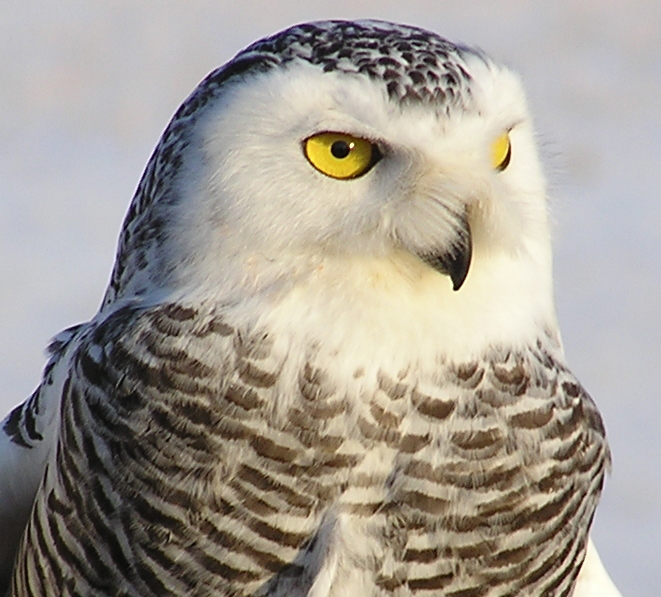
In the vast, frozen expanses where the ethereal Snowy Owl reigns, these majestic birds of prey face numerous challenges—from habitat disruption to injury caused by environmental hazards. Rehabilitation efforts are crucial to ensuring their survival and eventual return to the wild. Recently, an extraordinary ally has emerged to aid conservationists and wildlife rehabilitators alike: robotics. The integration of advanced robotic technologies into Snowy Owl rehabilitation is revolutionizing traditional methods, infusing precision, efficiency, and empathy into the healing process. Through this exploration, we will journey into the mesmerizing ways robotics are reshaping the landscape of avian rehabilitation, providing a glimpse of hope for these enigmatic creatures.
Automated Monitoring Systems: A Watchful Eye on Recovery
One of the most pressing challenges in rehabilitating Snowy Owls involves continuous and detailed monitoring of their physiological and behavioral health. Robotics have introduced sophisticated automated monitoring systems that unobtrusively track vital signs, mobility, and behavioral patterns. Equipped with multispectral imaging and thermal sensors, these devices can detect subtle changes in body temperature, respiration rates, and even stress indicators that might elude human observation.
Placed strategically within enclosures, these systems continuously gather data, analyzing the owls’ recovery trajectory in real-time. This ceaseless vigilance enables rehabilitators to tailor interventions with pinpoint accuracy, ensuring timely responses to emerging complications or adjustments in treatment protocols. Moreover, the non-invasive nature of robotics reduces human disturbance, fostering a calm environment that is essential for the owls’ recuperation.
Robotic Simulated Prey: Enhancing Hunting Skills in Captivity
Snowy Owls, once rehabilitated from injury or illness, need to reacquire their hunting prowess before release. Traditional methods often employ live prey or human-facilitated simulations, but these approaches come with ethical, logistical, and safety considerations. Robotics offer a nuanced solution through the development of robotic simulated prey that mimic the erratic movement patterns and escape behaviors of small mammals like lemmings, the owls’ natural prey.
These mechanized replicas stimulate the owls’ predatory instincts, enabling them to practice critical hunting skills in a controlled, repeatable format. The varying speeds, trajectories, and erratic motions are programmable, allowing rehabilitators to gradually increase difficulty, enhancing muscular coordination and cognitive engagement. This dialogue between technology and innate behavior fosters a seamless transition from captivity to the wild, ensuring owls are well-prepared to thrive upon release.
Robotic Assistants for Medical Interventions
Medical care for injured Snowy Owls encompasses delicate procedures ranging from wound cleaning and suturing to administering medications. Robotics has started to play an invaluable role as precise, steady instruments capable of performing intricate tasks beyond human steadiness or endurance. Robotic-assisted surgical devices deliver unparalleled precision, reducing risks of tissue damage and accelerating recovery times.
In rehabilitation centers where high volumes of animals require care, robotic assistants streamline repetitive tasks such as bandaging, handling, or dosage measurement, freeing up veterinarians to focus on diagnostics and complex treatments. Robotics introduce a level of standardization and reliability that elevates the overall quality of care, ensuring every injured owl receives optimal attention with reduced human error.
Environmental Enrichment Robots: Stimulating Cognitive and Physical Rehabilitation
Recovering Snowy Owls need more than just physical healing; cognitive and psychological stimulation are paramount for holistic rehabilitation. Environmental enrichment—activities designed to simulate natural challenges and mental engagement—has been revolutionized by robotics through interactive devices that encourage movement, exploration, and problem-solving.
Robots designed to mimic environmental stimuli, such as fluttering leaves or moving shadows, inspire owls to react and adapt, preserving sharp sensory awareness and neural acuity. These dynamic scenarios prevent depression, boredom, and behavioral decline commonly seen in captive birds, nurturing a sense of autonomy and alertness crucial for survival post-release.
Data Integration and Predictive Analytics: Informing Conservation Strategies
The torrents of data collected by robotic systems do not merely serve individual rehabilitation cases; they contribute to a broader, more profound understanding of Snowy Owl health and behavior dynamics. Sophisticated data integration platforms collate inputs from monitoring devices, robotic interactions, and veterinary records, feeding them into predictive analytics models.
These models uncover patterns and prognostic indicators, enabling rehabilitators and conservationists to forecast recovery outcomes, optimize resource allocation, and refine rehabilitation protocols. On a macro scale, insights derived from aggregated robotic data inform habitat management policies and public awareness campaigns, forging a synergistic alliance between technology, ecology, and community engagement.
Challenges and Ethical Considerations in Robotics-Aided Rehabilitation
While the infusion of robotics into Snowy Owl rehabilitation offers groundbreaking possibilities, it also raises important ethical and practical questions. Ensuring the welfare of the owls demands that technology be designed and deployed with utmost sensitivity to animal comfort and natural behavior patterns. Overreliance on robotics risks diminishing human empathy and the nuanced understanding that only experienced caretakers provide.
Moreover, cost and accessibility challenges can limit widespread adoption, potentially creating disparities in conservation effectiveness. Balancing technological innovation with ethical stewardship and equitable resource distribution is essential to harness robotics responsibly, always with the paramount goal of benefiting the owls’ wellbeing.
The Future Horizons: Integrating AI and Robotics in Wildlife Rehabilitation
Looking forward, the horizon gleams with even more transformative potential. Advances in artificial intelligence promise to imbue robotic systems with adaptive learning capabilities, enabling personalized rehabilitation plans that evolve in response to individual owl needs. AI-powered vision systems may predict distress or discomfort before it manifests outwardly, prompting preemptive care.
Additionally, robotic exosuits or mobility aids may eventually restore physical abilities in severely injured owls, a concept now being explored in other wildlife rehabilitation contexts. Integrating drones for remote monitoring in vast snowy terrains could facilitate real-time wildlife management and post-release tracking, closing the circle from captivity to wild independence.
In this unfolding narrative, robotics is more than machinery—it is a bridge connecting human ingenuity with the delicate rhythms of the natural world, nurturing hope that the Snowy Owl will continue to grace northern skies for generations to come.