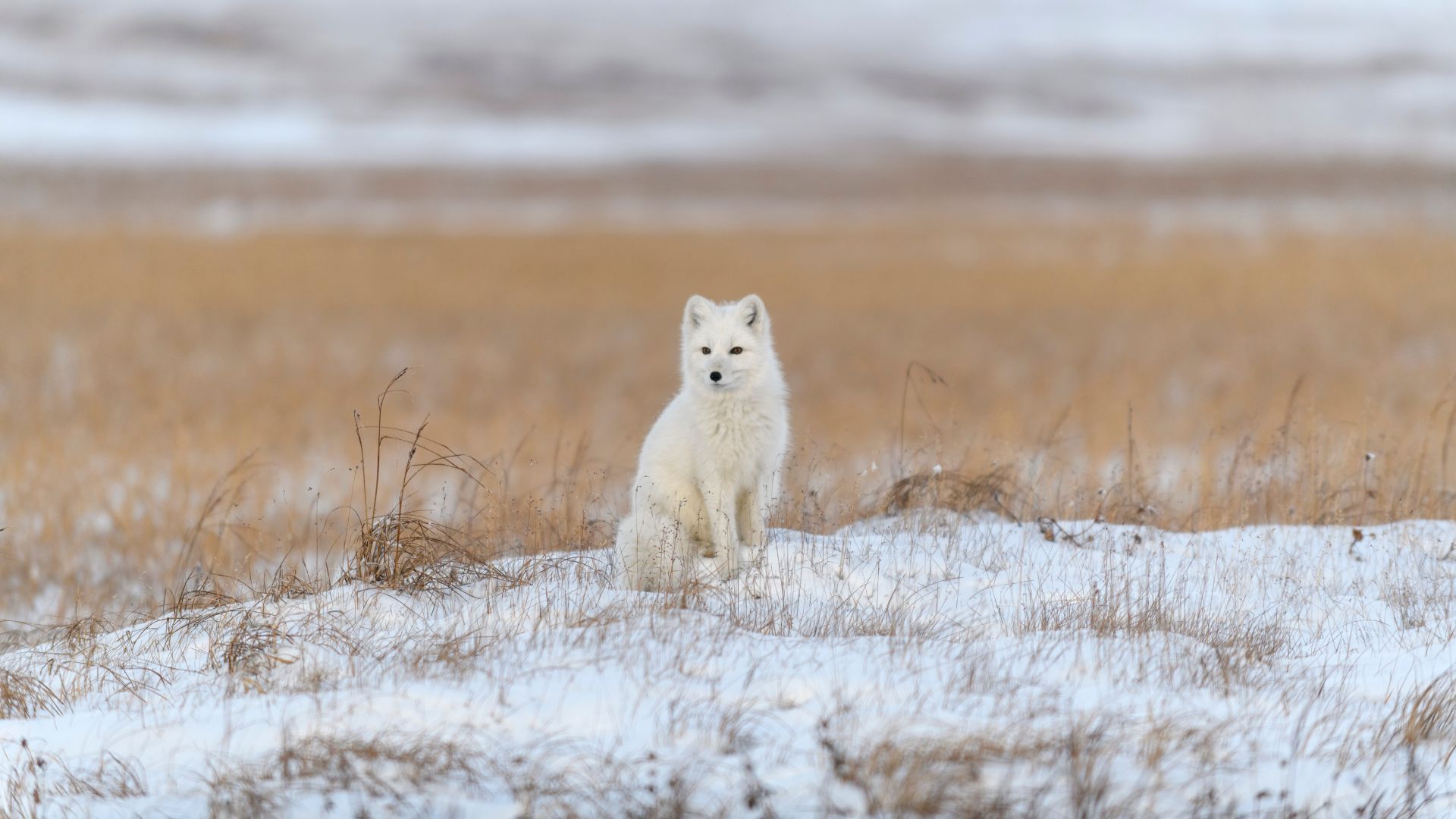
The Arctic is a realm of stark, breathtaking beauty—a frozen symphony of ice and silence, where the aurora borealis paints the sky in shimmering emerald hues and the wind carries whispers of ancient, untamed wilderness. Yet, beneath this ethereal facade, a silent crisis unfolds. The snowy owl, a creature of mythic grace and resilience, finds itself ensnared in the relentless tide of Arctic tourism. Once a sovereign of the tundra, this ghostly predator now navigates a landscape scarred by human footprints, its survival hanging by a thread as the delicate balance of its habitat teeters on the edge of collapse.
The Allure of the Arctic: A Double-Edged Sword
The Arctic exerts a magnetic pull on the human spirit, beckoning adventurers with promises of untouched wilderness and encounters with creatures that seem plucked from the pages of a fairy tale. The snowy owl, with its piercing golden eyes and plumage like freshly fallen snow, embodies this enchantment. Tourists flock to its domain, armed with cameras and a hunger for the extraordinary, unaware that their presence is rewriting the rules of survival for this apex predator.
Yet, the Arctic’s appeal is a double-edged sword. While it offers a fleeting glimpse into a world untouched by modernity, it also exposes its inhabitants to the harsh realities of human intrusion. The snowy owl, adapted to the solitude of the tundra, now faces the cacophony of engines, the scent of diesel, and the relentless gaze of lenses trained upon its every move. What was once a sanctuary has become a stage, and the owl, an unwilling performer in a spectacle it never asked to star in.
The Disruption of Solitude: A Predator’s Plight
Snowy owls are creatures of solitude, their survival hinging on the vast, unbroken expanses of the Arctic tundra. Here, they hunt with precision, their keen eyes scanning the horizon for lemmings and other prey that thrive in the harsh, unforgiving landscape. But tourism shatters this solitude. Helicopters roar overhead, their vibrations rattling the bones of the earth, while snowmobiles carve jagged scars into the permafrost. The owl’s hunting grounds, once a silent expanse, are now fractured by the relentless hum of human activity.
The disruption is not merely physical. The presence of humans alters the owl’s behavior in subtle, insidious ways. Studies have shown that even the mere sight of a tourist can cause a snowy owl to abandon its nest, leaving its eggs or chicks vulnerable to predators or the elements. The owl’s natural wariness, honed over millennia of survival in a hostile environment, is no match for the invasive curiosity of well-meaning but oblivious visitors. In their quest for the perfect photograph, tourists unwittingly become agents of ecological disruption, their presence a silent predator in its own right.
The Fragility of the Arctic Ecosystem: A Delicate Web
The Arctic is not an isolated wilderness; it is a delicate web of interconnected life, where each species plays a vital role. The snowy owl is a keystone predator, its presence regulating the populations of lemmings and other small mammals that would otherwise overrun the tundra. But when tourism disrupts this balance, the consequences ripple outward, threatening the entire ecosystem. Lemming populations explode in the absence of their natural predator, overgrazing the vegetation that sustains caribou and other herbivores. The ripple effects are felt across the tundra, a domino effect of ecological imbalance.
Moreover, the Arctic’s fragility is exacerbated by climate change, a phenomenon accelerated by human activity. The snowy owl’s habitat is shrinking as the ice melts and the tundra recedes, leaving it with fewer places to hunt and nest. Tourism, with its carbon footprint and physical disturbances, only deepens the wound. The owl is caught in a vise, squeezed between the relentless march of climate change and the invasive tide of human curiosity.
The Ethics of Observation: When Wonder Becomes Exploitation
There is a fine line between admiration and exploitation, and the Arctic tourism industry often blurs it. The snowy owl, a creature of rare and ethereal beauty, is reduced to a commodity—a spectacle to be captured and shared on social media. Tourists, armed with telephoto lenses and a sense of entitlement, encroach upon the owl’s territory, their actions driven by a desire for validation rather than respect for the natural world. The owl’s gaze, once a symbol of wild majesty, is now a fleeting moment of Instagram fame.
But the ethics of observation extend beyond mere proximity. The act of photographing a snowy owl in its nest, for example, can have devastating consequences. The owl may abandon its chicks, leaving them to perish in the cold. The photographer, in their quest for the perfect shot, becomes an unwitting accomplice to ecological harm. The Arctic is not a theme park, and its inhabitants are not props in a human drama. Their survival depends on our restraint, our humility, and our willingness to step back and admire from a distance.
The Call to Action: Preserving the Ghosts of the Tundra
The fate of the snowy owl is not yet sealed, but the window for action is closing rapidly. Conservationists and Indigenous communities have long advocated for sustainable tourism, urging visitors to tread lightly and respect the boundaries of the natural world. Yet, the call often falls on deaf ears, drowned out by the roar of engines and the click of cameras. The Arctic deserves better. The snowy owl deserves better.
Change begins with awareness. Tourists must recognize that their presence has consequences, and that the Arctic is not a playground but a fragile ecosystem on the brink. Supporting conservation efforts, adhering to guidelines, and advocating for responsible tourism are small but vital steps toward preserving the ghosts of the tundra. The snowy owl, with its piercing gaze and regal bearing, is a reminder of the wild beauty that still exists in our world—a beauty worth fighting for.
In the end, the Arctic is not ours to conquer. It is a realm of ancient wisdom, where the snowy owl reigns as a silent guardian of the frozen north. Our duty is not to intrude, but to protect, to admire from afar, and to ensure that future generations may witness the majesty of this ghostly predator in the wild, unspoiled tundra.