The Arctic is not just a place of ice and snow—it’s a living, breathing ecosystem on the brink of transformation. As the frozen veil recedes, it reveals a world in flux, where the very foundations of life are being rewritten. Among the most affected are the Arctic owls, those silent sentinels of the tundra, whose existence is now intertwined with the relentless march of climate change. Their story is not just one of survival, but of adaptation, resilience, and an unspoken promise of a new ecological order. What happens when the ice melts and the ranges shift? The answer lies in the wings of these majestic birds, whose fate may foreshadow the future of the Arctic itself.
The Arctic’s Vanishing Canvas: A World Reshaped by Heat
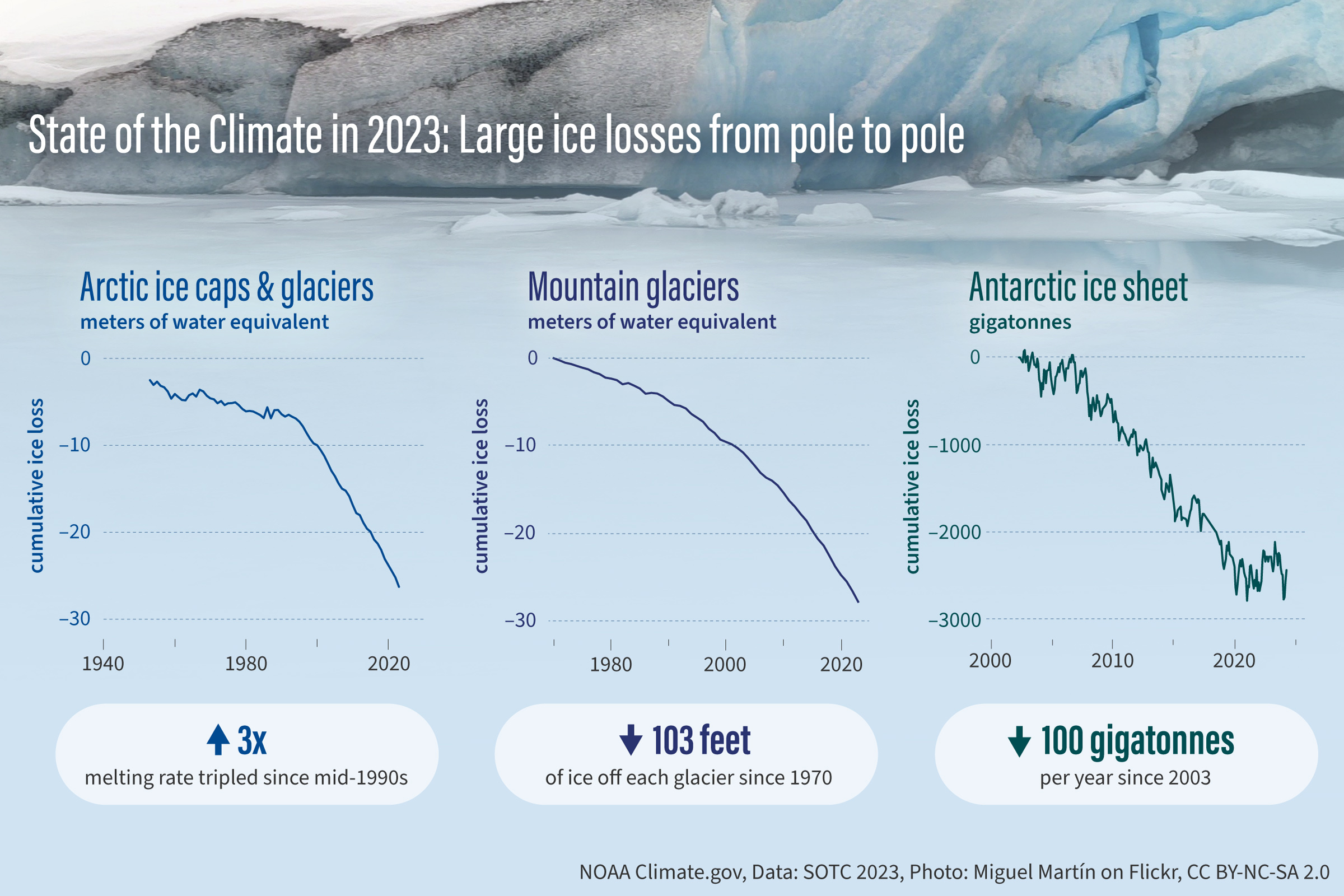
The Arctic is warming at a rate nearly four times faster than the global average—a phenomenon known as Arctic amplification. This isn’t just a statistic; it’s a seismic shift in the planet’s thermostat, one that is erasing the ice that has defined the region for millennia. The consequences are far-reaching: permafrost thaws, sea ice fractures, and ecosystems unravel at the seams. For the Arctic owls, this melting canvas is more than a loss of habitat—it’s a disruption of their entire way of life. The frozen expanses they once called home are now giving way to shrublands, open waters, and unpredictable weather patterns. The ground beneath their talons is no longer a reliable foundation; it’s a shifting stage where the rules of survival are being rewritten in real time.
Consider the snow-covered tundra, once a vast, unbroken expanse where Arctic owls could hunt with precision. Now, as the snow retreats earlier each spring, the landscape becomes a patchwork of bare earth and sparse vegetation. The owls, adapted to a world of endless white, find themselves navigating a terrain that no longer aligns with their instincts. Their once-reliable hunting grounds are fragmenting, forcing them into unfamiliar territories where competition for prey is fierce and the risks are high. The Arctic is no longer a static stage but a dynamic, ever-changing theater—and the owls are its reluctant protagonists.
Hunters of the Twilight: The Owls’ Struggle for Prey in a Fragmented World
Arctic owls are apex predators, but their reign is under siege. Their primary prey—lemmings, voles, and other small mammals—thrive in the cold, stable conditions of the tundra. Yet as the climate warms, these prey populations become erratic. Lemming cycles, once predictable, are now disrupted by erratic snowfall and thawing cycles. In some years, prey is abundant; in others, it vanishes entirely. The owls, creatures of habit and instinct, are ill-equipped to adapt to such volatility. Their survival hinges on a delicate balance, one that is increasingly tipping out of their favor.
Their hunting strategies, honed over generations, are now obsolete. The silent, snow-covered hunts of yesteryear are giving way to desperate searches through dense shrubbery or across unstable ice. The owls’ keen eyesight, once a tool for spotting prey against the stark white backdrop, now struggles in a landscape where camouflage is a moving target. Some owls have been observed venturing into boreal forests, a habitat they once avoided, in a desperate bid to find food. Others have turned to scavenging, a behavior unheard of in their traditional repertoire. The Arctic owls are not just losing ground—they are losing their identity as hunters of the open expanse.
Migration in the Age of Uncertainty: The Owls’ Great Displacement
Migration has always been a part of the Arctic owl’s life, but never before has it been so fraught with uncertainty. Historically, these owls would follow the rhythms of the seasons, retreating southward as the Arctic winter tightened its grip. Now, as the Arctic warms, their migratory patterns are becoming erratic. Some owls are arriving earlier in their southern ranges, only to find that the prey they depend on has not yet emerged from hibernation. Others are forgoing migration altogether, lured by the false promise of a milder winter. The result is a population in flux, where the lines between resident and migrant are blurring into a chaotic mosaic.
This displacement is not just a logistical challenge—it’s a cultural one. Arctic owls are deeply tied to their ancestral lands, where generations of owls have nested and hunted. Forced into new territories, they face unfamiliar predators, competing species, and human encroachment. The boreal forests of Canada and Alaska, once a distant refuge, are now becoming permanent homes for some owls. But these forests are not the Arctic. They are denser, darker, and teeming with life that the owls are not equipped to navigate. The owls are not just migrating; they are being exiled into a world that no longer recognizes them.
The Silent Witnesses: How Arctic Owls Reflect the Arctic’s Fate
The Arctic owls are more than just victims of climate change—they are its silent witnesses. Their struggles offer a glimpse into the broader upheaval of the Arctic ecosystem, where every species is feeling the heat. Their declining numbers are a barometer of the health of the tundra, a canary in the coal mine for a region that is warming faster than any other on Earth. But they are also harbingers of change, their adaptations foreshadowing the resilience—or collapse—of the Arctic’s biodiversity.
Some owls are proving surprisingly adaptable. In regions where shrubbery has expanded, a few have taken to nesting in trees, a behavior virtually unheard of in their species. Others have altered their diets, supplementing their traditional prey with birds and even fish. These innovations are not signs of success, but of desperation. They are the last-ditch efforts of a species fighting to keep pace with a world that is changing beneath its wings. The Arctic owls are not just adapting; they are bearing the scars of an ecosystem in turmoil, their very existence a testament to the fragility of life in the age of climate change.
The Human Connection: Why the Owls’ Plight Matters to Us All
It’s easy to dismiss the Arctic owls as distant creatures, their struggles confined to the frozen north. But their fate is inextricably linked to ours. The Arctic is not an isolated wilderness—it is a critical regulator of the global climate, its ice and permafrost storing vast amounts of carbon that, if released, could accelerate warming worldwide. The owls’ decline is a warning sign, a flickering red light on the dashboard of Earth’s health. Their story is a reminder that climate change is not a distant threat; it is a present reality, one that is reshaping the world in ways both subtle and profound.
Moreover, the Arctic owls are a symbol of the interconnectedness of life. Their struggles reflect the cascading effects of a warming planet, where the loss of ice ripples through food chains, alters migration patterns, and reshapes entire ecosystems. Their resilience—or lack thereof—offers a mirror to our own relationship with the natural world. Are we willing to let them fade into obscurity, or will we recognize that their survival is intertwined with our own? The answer may well determine the fate of the Arctic itself.
Looking Ahead: A Future Written in Ice and Adaptation
The Arctic owls are at a crossroads. Their future hinges on their ability to adapt, but adaptation has its limits. The Arctic is changing faster than evolution can keep pace, and the owls’ traditional strategies are becoming obsolete. Yet, nature is full of surprises. Some species thrive in the face of adversity, their ingenuity outpacing the pace of change. Could the Arctic owls be among them? Only time will tell.
What is certain is that their story is far from over. As the ice melts and the ranges shift, the owls will continue to navigate a world that is increasingly hostile to their way of life. Their struggles are a call to action—not just for conservationists, but for all of us. The Arctic is not just a place of ice and snow; it is a barometer of the planet’s health, and its owls are the messengers. Their fate is a reflection of our own, a reminder that the choices we make today will echo through the ages. The Arctic owls are not just witnesses to change—they are its heralds. And their story is one we ignore at our peril.