In the quiet hush of twilight, when the world dons a cloak of indigo and the stars begin their celestial ballet, a haunting melody pierces the silence—the call of the owl. These enigmatic guardians of the night, draped in feathers of wisdom and mystery, have long captivated human imagination. Yet, their future hangs in a precarious balance, threatened by habitat loss, climate upheaval, and the relentless march of human progress. But what if we could rewrite their fate—not through conservation alone, but through the alchemy of genetic engineering? A revolution is brewing in the shadows of laboratories, one that promises to reshape the destiny of endangered owls and, by extension, the ecosystems they uphold.
The Genetic Renaissance: A Beacon of Hope for Fading Wings
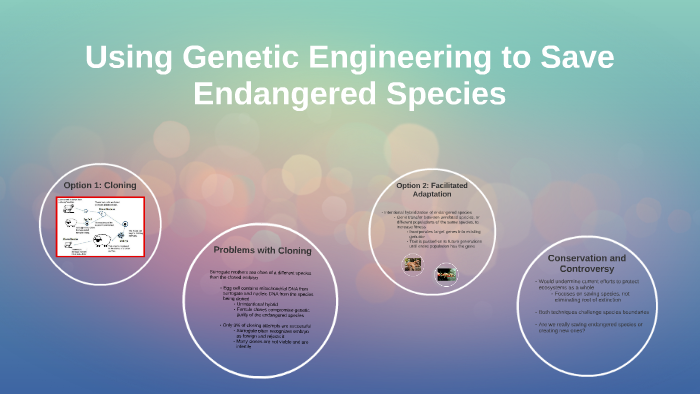
Genetic engineering is not merely a tool; it is a renaissance—a rebirth of possibility for species on the brink. For owls, whose populations dwindle under the weight of human encroachment, this technology offers a lifeline. By editing their DNA, scientists can enhance resilience, bolster immune systems, and even reintroduce genetic diversity that has been eroded by isolation and inbreeding. Imagine a future where the Spotted Owl, once teetering on the edge of extinction, thrives again—not as a relic of the past, but as a resilient survivor, its genome fortified against the ravages of disease and environmental stress.
This is not science fiction. CRISPR-Cas9, the molecular scissors of genetic engineering, allows for precise modifications to an organism’s DNA. For owls, this could mean tweaking genes to resist avian malaria, a silent killer decimating populations in vulnerable regions. Or perhaps, enhancing their ability to adapt to shifting climates, ensuring they can hunt and nest in landscapes that are rapidly transforming. The genetic code, once a static blueprint, is now a malleable canvas—one where conservationists can paint strokes of hope.
De-Extinction in Feathered Form: Resurrecting Lost Lineages
The concept of de-extinction has long been confined to the realm of mammoths and dodos, but owls? Their story is different. Unlike long-extinct species, many endangered owls still cling to existence, their genetic material preserved in frozen archives or living populations. Genetic engineering offers a chance to revive lost lineages—not by bringing back the dead, but by breathing new life into the fading. Consider the Barn Owl, a species whose numbers have plummeted due to pesticide use and habitat destruction. By identifying and reintroducing genetic traits from historical populations, scientists could restore the resilience of a once-thriving lineage.
This process, known as genetic rescue, is already underway in other species. The black-footed ferret, for instance, was saved from extinction through artificial insemination and genetic management. For owls, the same principles could apply. By carefully selecting and reintroducing genetic diversity, conservationists could create populations that are not just surviving, but thriving. The result? A renaissance of owls, their wings beating with renewed vigor, their calls echoing through landscapes they once ruled.
The Ethical Labyrinth: Navigating the Moral Quandaries
Yet, with great power comes great responsibility. Genetic engineering is not without its ethical minefields. Critics argue that tampering with nature’s blueprint could have unintended consequences—ecological disruptions, unforeseen health issues, or even the erosion of wild populations’ natural adaptations. What if genetically modified owls outcompete their wild counterparts, altering the delicate balance of ecosystems? What if their enhanced traits, while beneficial in the short term, lead to long-term dependencies that weaken their survival instincts?
These are not trivial concerns. The ethical debate rages on, with conservationists divided. Some see genetic engineering as a necessary evil, a last resort in the face of impending extinction. Others caution against playing “genetic god,” arguing that traditional conservation methods—habitat protection, legal safeguards, and community engagement—should take precedence. The path forward is fraught with uncertainty, but one thing is clear: the conversation must be inclusive, involving scientists, ethicists, policymakers, and the public alike. Only through dialogue can we navigate the labyrinth of moral dilemmas and emerge with a strategy that honors both nature and innovation.
From Petri Dish to Perch: The Journey of a Genetically Engineered Owl
The journey from a lab bench to a forest perch is a meticulous one. It begins with the extraction of genetic material, a process that requires precision and care. Scientists then identify the genes most critical to an owl’s survival—those linked to disease resistance, reproductive success, or environmental adaptability. Using CRISPR-Cas9, they edit these genes, ensuring that the modifications are both effective and safe. The next step is testing, a rigorous process that involves both lab-based trials and controlled field experiments.
Once the genetically modified owls are deemed fit, they are introduced into the wild. But this is not a haphazard release. Conservationists work closely with local communities, ensuring that the owls are welcomed rather than feared. Education campaigns highlight the benefits of these engineered guardians, emphasizing their role in maintaining ecological balance. The goal is not just survival, but symbiosis—a harmonious coexistence between humans and owls, where both thrive.
Consider the case of the Northern Spotted Owl, a species whose decline has been linked to logging and competition with the Barred Owl. Genetic engineering could offer a solution by enhancing the Spotted Owl’s ability to compete, or even by introducing traits that allow it to adapt to new habitats. The result? A species reborn, its future secured not by human intervention alone, but by a partnership between nature and science.
The Ripple Effect: How Owls Shape the World
Owls are more than just charismatic creatures; they are keystone species, their presence shaping entire ecosystems. As apex predators, they regulate prey populations, preventing overgrazing and maintaining biodiversity. Their role in controlling rodent populations, for instance, has cascading effects on plant life and soil health. By saving the owl, we save the forest—and in doing so, we safeguard the future of countless other species.
Genetic engineering, therefore, is not just about saving a single species. It is about preserving the intricate web of life that sustains us all. Imagine a world where owls once again patrol the night skies, their calls a symphony of balance. Where forests teem with life, their understories thriving under the watchful eyes of these silent guardians. This is the promise of genetic engineering—a future where nature and innovation coexist, where the echoes of the owl’s call are not a lament for a lost world, but a celebration of one reborn.
A Call to Action: The Owl’s Flight into the Future
The time to act is now. The tools of genetic engineering are here, but their application requires courage, foresight, and collaboration. Conservationists must work hand-in-hand with scientists, policymakers, and communities to ensure that this technology is used responsibly and ethically. The fate of endangered owls is not just a scientific challenge; it is a moral imperative.
We stand at the precipice of a new era—one where the boundaries between nature and technology blur, where the impossible becomes possible. The owl’s flight into the future is not just a metaphor; it is a call to arms. Will we answer? The wings of progress are already beating. The question is: will we guide them?