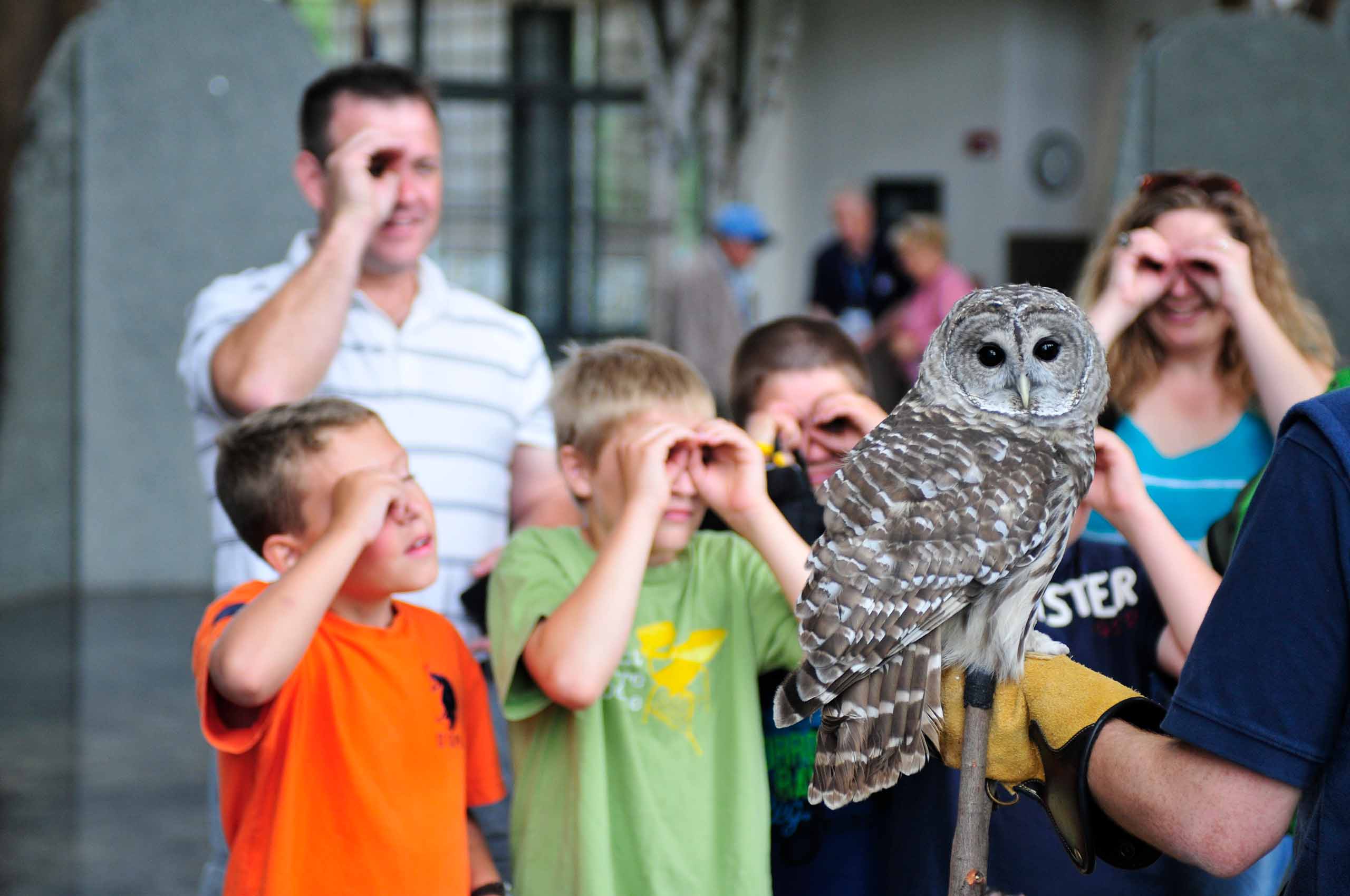
In the quiet hush of a museum’s dimly lit hall or the open-air expanse of a zoo, an owl’s piercing gaze seems to follow you. These enigmatic creatures, draped in feathers that whisper of ancient wisdom, have long captivated human imagination. Yet beyond their mystique lies a profound opportunity: the role of museums and zoos in owl education and outreach. These institutions are not mere repositories of artifacts or spectacles of wildlife; they are vibrant classrooms where curiosity takes flight, and conservation begins with understanding.
The Power of Living Exhibits: Bringing Owls to the Forefront
Zoos and wildlife sanctuaries transform abstract ecological concepts into tangible experiences through live owl exhibits. Visitors don’t just read about the snowy owl’s Arctic resilience or the barn owl’s silent flight—they witness it firsthand. These exhibits often feature diurnal and nocturnal species, allowing guests to observe behaviors that textbooks could never capture. Interactive feeding demonstrations, where owls swoop to snatch prey mid-air, turn passive learning into an unforgettable spectacle. The tactile thrill of feeling an owl’s feather—soft as down yet structured for silent flight—bridges the gap between human and avian worlds. For children, especially, such encounters spark a lifelong fascination, planting the seeds for future stewards of the wild.
Immersive Digital Storytelling: Owls in the Age of Augmented Reality
Modern museums are harnessing technology to plunge visitors into the nocturnal lives of owls. Augmented reality (AR) apps let guests “step into” a forest at dusk, where the rustle of leaves and the hoot of a great horned owl envelop them in 360-degree soundscapes. Virtual reality (VR) experiences can simulate the disorienting plunge of a peregrine falcon’s stoop, followed by the sudden stillness of an owl’s ambush. Digital kiosks display real-time data on owl migration patterns, their wingspans mapped against city skylines to highlight urban-wildlife intersections. These tools don’t just inform—they immerse, making conservation feel urgent and personal. For remote learners, virtual tours ensure that owl education transcends physical boundaries, democratizing access to knowledge.
But technology’s role doesn’t end with spectacle. Interactive touchscreens allow visitors to “dissect” a virtual owl pellet, identifying bones and fur to reconstruct a meal. Gamified quizzes challenge users to match owl calls to species or navigate a maze as a fledgling owl learning to hunt. These digital engagements cater to diverse learning styles, ensuring that whether a visitor is a tactile learner, an auditory sponge, or a visual dynamo, they leave with a deeper connection to these birds.
Educational Programs: From Classrooms to Canopies
Museums and zoos are bustling hubs of experiential learning, where owl education extends far beyond static displays. School programs often begin with a “Meet the Owl” session, where educators introduce students to live birds while weaving in lessons on anatomy, habitat loss, and the perils of rodenticides. Workshops might task children with designing owl nest boxes for their backyards or crafting “silent flight” wings from recycled materials to understand aerodynamics. For older students, citizen science projects invite them to contribute to real owl research, from tracking migration via banding data to monitoring nest sites through trail cameras.
Evening “Owl Prowls” transform museum grounds into nocturnal classrooms. Equipped with flashlights and keen ears, participants venture into nearby woodlands, guided by educators who decode the language of owl calls. The thrill of spotting a barred owl’s “Who cooks for you?” echoing through the trees is a visceral reminder of the wild just beyond urban sprawl. These programs don’t just educate—they foster a sense of kinship with the natural world, proving that conservation begins with wonder.
Conservation Through Compassion: Owls as Ambassadors
Owls are more than charismatic megafauna; they are ecological linchpins. Museums and zoos leverage their popularity to spotlight conservation crises, from habitat fragmentation to the devastating impacts of rodenticides on raptor populations. Exhibits often feature rescued owls—victims of car strikes or poisoning—whose stories humanize the statistics. Visitors learn how a single owl can consume thousands of rodents in a year, reducing the need for chemical pest control. These narratives frame owls not as distant wonders but as allies in sustainable agriculture and urban pest management.
Outreach extends into communities through partnerships with local farmers, schools, and wildlife rehabilitators. Mobile education units bring owl artifacts, biofacts, and live birds to farmers’ markets and libraries, sparking conversations about coexisting with wildlife. Conservation fundraisers, like “Adopt an Owl” programs, channel visitor donations into habitat restoration or rehabilitation centers. By framing owls as indicators of environmental health, these initiatives turn passive observers into active participants in their protection.
The Art of Interpretation: Crafting Narratives That Resonate
Great owl exhibits are more than collections of facts—they are stories waiting to be told. Museums employ interpretive specialists to craft narratives that resonate emotionally and intellectually. A diorama of a boreal forest might juxtapose the serene beauty of a snowy owl in flight with the stark reality of melting Arctic ice, using haunting soundscapes of cracking glaciers. Text panels might adopt the voice of an owl itself, describing its nightly hunts in the first person. For younger audiences, interactive “owl diaries” encourage them to record observations, fostering a sense of ownership over their learning.
Art plays a crucial role in this storytelling. Sculptures of owls mid-flight capture the dynamism of their hunting techniques, while illustrations of their feather patterns reveal the hidden artistry of evolution. Temporary exhibits might feature indigenous art depicting owls in folklore, bridging cultural reverence with scientific inquiry. These artistic interpretations ensure that owl education is not just informative but transformative, leaving visitors with a sense of awe and responsibility.
Community Science and Beyond: Owls as Catalysts for Action
The reach of museum and zoo-led owl education extends into the realm of community science, where visitors become collaborators in research. Programs like the “Great Backyard Owl Count” invite the public to submit sightings, contributing to databases that track population trends. Schools might participate in the “Owl NestWatch,” monitoring nest sites and submitting data on breeding success. These initiatives demystify the scientific process, showing that anyone—regardless of age or background—can contribute to conservation.
Beyond data collection, museums and zoos inspire advocacy. Exhibits on the endangered spotted owl might include a call-to-action for policy changes to protect old-growth forests. Workshops on urban owl conservation could culminate in community-led efforts to reduce light pollution, which disorients nocturnal birds. By framing owls as both subjects of study and symbols of broader ecological challenges, these institutions empower visitors to see themselves as part of the solution.
Conclusion: A Feathered Future
Owls, with their silent wings and unblinking gaze, have long been symbols of wisdom and mystery. But in the hands of museums and zoos, they become something more: educators, conservationists, and bridges between human and wild worlds. Through living exhibits, digital innovation, immersive programs, and community engagement, these institutions transform passive curiosity into active stewardship. The next time you stand before an owl in a museum or zoo, listen closely—not just to its hoot, but to the call to action it carries. The future of these magnificent birds depends on the choices we make today, and the first step begins with understanding.