Imagine a world where the night’s symphony is missing its most hauntingly beautiful crescendo—the piercing screech of an owl cutting through the darkness like a blade through silk. What if I told you that the absence of these feathered sentinels isn’t just a loss for our auditory imagination, but a harbinger of ecological unraveling in the very grasslands that once thrived beneath their watchful gaze? The decline of grassland ecosystems is a silent crisis, and at its heart lies a paradox: the more we disrupt these open landscapes, the more we imperil the very creatures that could help restore them. Among these, owls stand as both guardians and victims, their fate inextricably woven into the fate of the prairies, meadows, and savannas that are vanishing at an alarming pace.
The Vanishing Prairies: A Grassland in Peril
Grasslands are the unsung heroes of biodiversity, vast and undulating canvases where life thrives in a delicate balance. Yet, these ecosystems are among the most endangered on Earth, with over half of the world’s original grasslands already lost to agriculture, urban sprawl, and industrial development. The Great Plains of North America, once a sea of swaying bluestem and buffalo grass, now resemble a patchwork quilt of monocultures, stitched together by pesticides and plows. This transformation isn’t just a loss of scenery—it’s a collapse of an intricate web where every species, from the tiniest soil microbe to the majestic bison, plays a role. And when the grasslands falter, the owls that call them home are among the first to feel the tremors.
Owls: The Silent Architects of Grassland Harmony
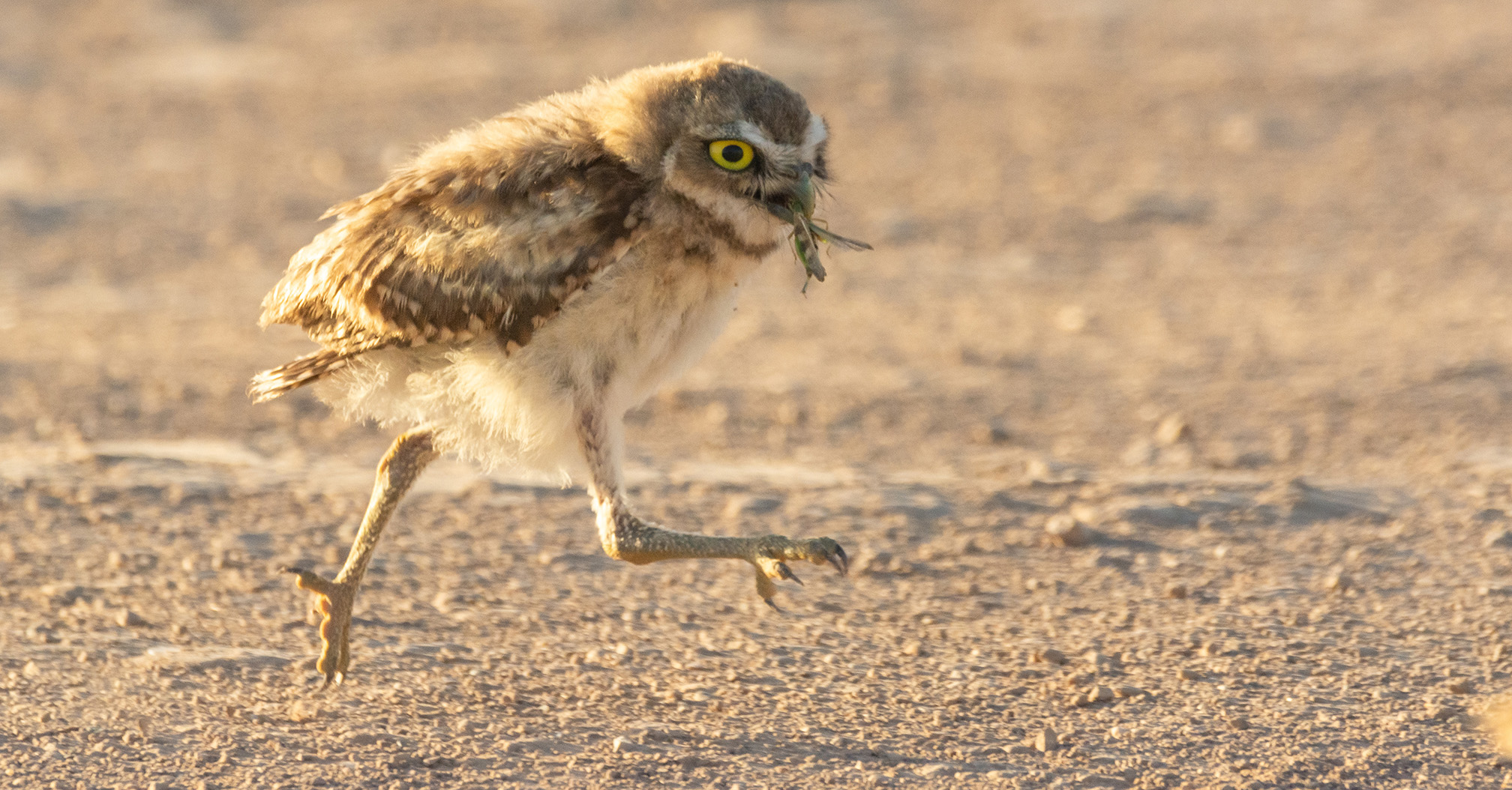
Owls are the unsung conductors of the nocturnal orchestra, their presence a barometer of ecological health. Species like the burrowing owl, the short-eared owl, and the barn owl are not mere predators; they are keystone species, their hunting habits shaping the very structure of grassland communities. A barn owl’s silent flight over a meadow isn’t just a spectacle—it’s a pest control service, a natural check on rodent populations that, if left unchecked, could decimate crops and spread disease. But here’s the twist: these owls are picky tenants. They require undisturbed nesting sites, a bounty of prey, and a landscape free from the chemical blitz of modern agriculture. When grasslands are fragmented or poisoned, the owls vanish, and with them, the balance they maintain.
The Invisible Threat: Pesticides and the Poisoned Landscape
Picture this: a farmer sprays a field with neonicotinoids, a class of insecticides designed to protect crops from pests. The chemicals seep into the soil, leach into waterways, and accumulate in the bodies of insects—those same insects that owls rely on for sustenance. A single meal of contaminated prey can spell doom for an owl, its nervous system hijacked by toxins that leave it disoriented, unable to hunt, or worse, dead. But the damage doesn’t stop there. These pesticides don’t just kill pests; they annihilate the entire invertebrate community, collapsing the food web from the bottom up. The result? A grassland that looks green from a distance but is, in reality, a biological wasteland—a place where owls once ruled, now eerily silent.
The Domino Effect: How Owl Decline Ripples Through the Ecosystem
The loss of owls doesn’t just mean fewer haunting hoots at dusk. It triggers a cascade of consequences that reverberate through the ecosystem. Without these apex predators, rodent populations explode, leading to overgrazing that degrades soil health and accelerates erosion. The decline in owl numbers also disrupts the hunting patterns of other predators, like foxes and snakes, which now face increased competition for dwindling prey. Even plants suffer—rodents, no longer kept in check, devour seedlings and saplings, preventing the regeneration of native grasses. It’s a domino effect where the fall of one piece topples the entire structure, leaving behind a landscape that is not just poorer in species, but fundamentally less resilient.
The Conservation Conundrum: Can We Save the Owls Without Saving the Grasslands?
Here’s the challenge: saving owls isn’t just about building nest boxes or installing perches. It’s about rewilding the grasslands themselves, restoring the mosaic of habitats that owls—and countless other species—depend on. This means reducing pesticide use, promoting regenerative agriculture, and creating corridors that connect fragmented patches of prairie. But conservation isn’t a one-size-fits-all endeavor. In some regions, controlled burns are necessary to mimic natural fire regimes, while in others, grazing by bison or cattle can help maintain the patchwork of grasses and forbs that owls need. The irony? The very landscapes we’ve reshaped for human convenience are now the ones we must painstakingly restore to save the creatures that once thrived within them.
A Call to Action: The Owl’s Plight as Our Own
The decline of grassland owls is more than an ecological tragedy—it’s a mirror held up to our own shortsightedness. These birds are not just indicators of environmental health; they are symbols of the interconnectedness of all life. When we lose them, we lose a piece of the wildness that once defined these landscapes. But there’s hope. Communities across the globe are rallying to protect grasslands, from the rewilding projects in Europe’s steppes to the prairie restoration efforts in the American Midwest. Every nest box installed, every pesticide-free farm established, every patch of native grass allowed to flourish is a step toward redemption. The question isn’t whether we can save the owls—it’s whether we’re willing to fight for the world they represent.