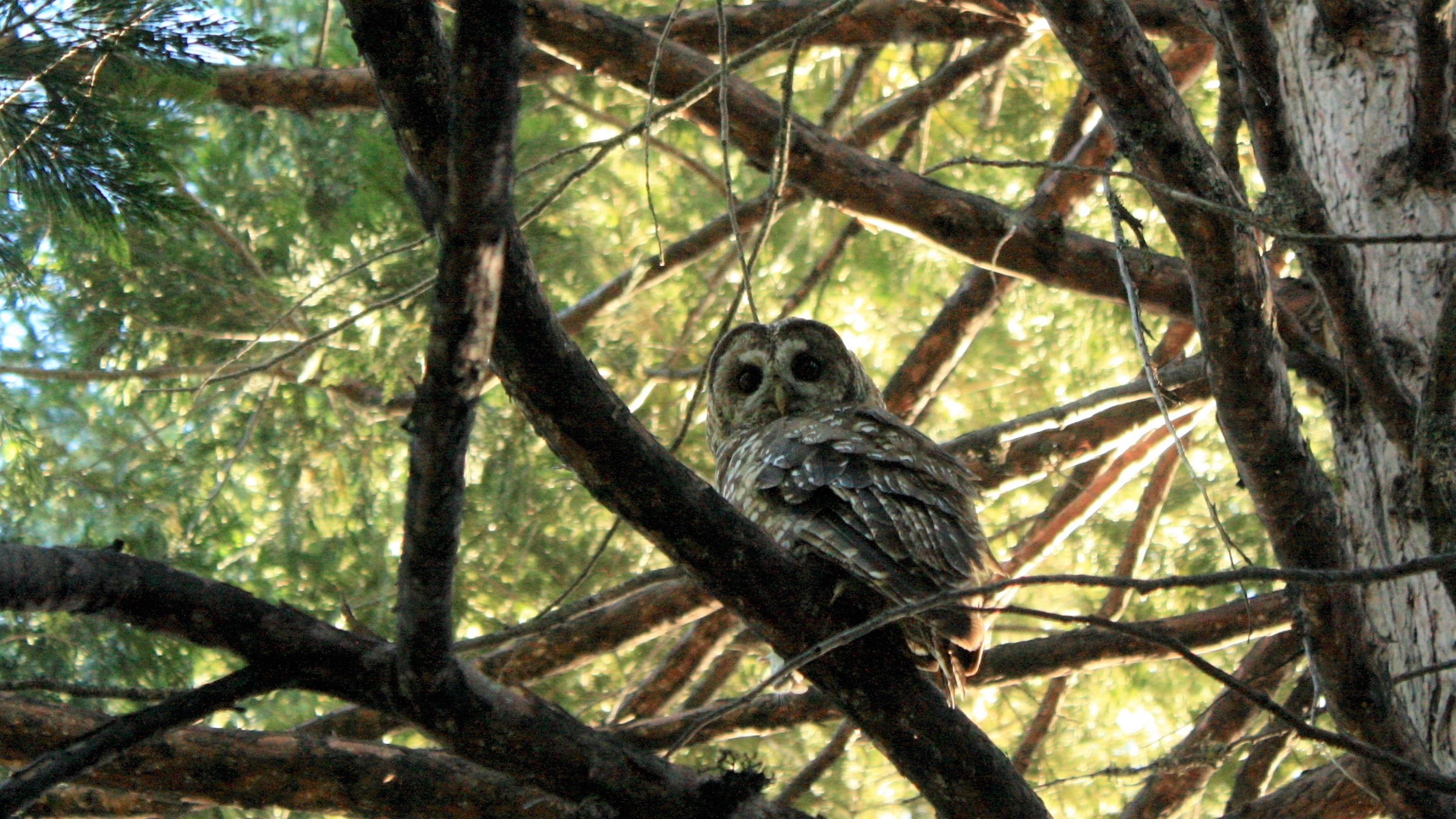
In the hushed twilight of ancient forests, where the air hums with the whispers of unseen wings, the spotted owl glides—a spectral guardian draped in dusk. Its haunting call, a sonorous echo through the canopy, stirs something primal in us. We are drawn to its mystery, its fragility, its quiet defiance against the encroaching shadows of extinction. Yet, how do we translate this fascination into action? How do we bridge the chasm between awe and advocacy? The answer lies not in cold statistics or bureaucratic jargon, but in the alchemy of storytelling—a craft that can ignite empathy, spark curiosity, and mobilize communities to protect the wild places we hold dear.
The Power of Narrative: Why Stories Move Us When Data Fails
Numbers are the skeleton of conservation, but stories are its soul. A study might tell us that the spotted owl population has declined by 40% over two decades, but a single narrative—a child’s eyes widening as they spot a fledgling in the hollow of an old-growth fir, a biologist’s voice cracking as they recount the loss of a nest to logging—lingers in the mind long after the report is filed. Stories humanize the abstract. They transform the spotted owl from a statistic into a living, breathing entity with a family, a territory, a voice. When we hear the owl’s call through the words of a storyteller, we don’t just *know* about its plight; we *feel* it. And feeling, as any activist knows, is the first step toward action.
Consider the difference between reading that “habitat loss is a critical threat” and immersing yourself in the tale of a mother owl teaching her chicks to hunt in a forest that’s been reduced to a skeletal remnant of its former self. The latter doesn’t just inform—it *haunts*. It plants a seed of guilt, a spark of determination, a personal stake in the owl’s survival. This is the magic of narrative: it doesn’t just inform; it *transforms*. It turns passive observers into invested participants, and casual interest into a crusade for justice.
Characters That Resonate: Giving the Owl a Face and a Voice
Every great conservation story begins with a protagonist—one that isn’t human. The spotted owl, with its piercing amber eyes and mottled plumage, is a natural hero. But heroes need depth. They need flaws, struggles, and moments of triumph. To make the owl relatable, we must give it a *personality*—not in the anthropomorphic sense, but in the way a biologist might describe its behavior: the owl’s meticulous hunting rituals, its fierce territoriality, its uncanny ability to navigate the darkest nights. These details breathe life into the creature, making it more than a symbol; it becomes a *character* in a larger narrative.
Yet, the owl alone isn’t enough. The real power of storytelling lies in the *relationships* it reveals. A spotted owl isn’t just a bird; it’s a parent, a survivor, a creature bound to a landscape. When we tell the story of a pair of owls raising their young in a cathedral of ancient trees, we’re not just describing ecology—we’re illustrating *love*, *resilience*, and *interdependence*. These are themes that resonate universally. They tap into our own desires to protect what we cherish, to fight for those who cannot fight for themselves. By framing the owl’s story as one of family and home, we invite our audience to see their own lives reflected in its struggle.
The Villain We Can All Hate: Naming the Forces That Threaten Survival
No compelling narrative is complete without an antagonist—and in the case of spotted owl conservation, the villains are all too real. Logging companies, urban sprawl, climate change—these are the forces that chip away at the owl’s habitat, leaving behind a landscape that’s as barren as a clear-cut hillside. But villains in stories aren’t just obstacles; they’re *characters* with motives, flaws, and consequences. To make the threat tangible, we must humanize these forces, not to excuse them, but to expose their insidious nature.
For instance, instead of saying “industrial logging degrades old-growth forests,” we might tell the story of a logger who, after decades of work, sees his community collapse as the last of the ancient trees are felled. His despair is real, but so is the realization that his livelihood doesn’t have to come at the owl’s expense. Or consider the developer who bulldozes a forest for a new subdivision, only to find that the land’s value plummets as the owl’s absence disrupts the local ecosystem. These aren’t just hypotheticals; they’re cautionary tales that reveal the *cost* of exploitation. By framing the conflict this way, we don’t just rally opposition to the villains—we invite reflection on how their actions harm us all.
The Setting as a Character: Forests as Living, Breathing Entities
A story’s setting isn’t just a backdrop; it’s a *character*—one that shapes the plot and the characters within it. The old-growth forests of the Pacific Northwest aren’t merely a habitat for the spotted owl; they’re a *sanctuary*, a cathedral of biodiversity, a living archive of Earth’s history. To convey this, we must paint the forest not as a resource to be exploited, but as a *being* with its own agency and majesty. The towering Douglas firs, the moss-draped branches, the symphony of rustling leaves—these aren’t just details. They’re the essence of a world that’s worth fighting for.
Consider the difference between describing a forest as “a collection of trees” and evoking its *soul*. The latter requires sensory language: the scent of damp earth after rain, the crunch of needles underfoot, the way sunlight filters through the canopy like liquid gold. When we immerse our audience in this world, we don’t just inform them about the owl’s habitat—we make them *fall in love* with it. And love, as any activist will tell you, is the most powerful motivator for change. People don’t fight for things they don’t care about. They fight for things that have *swept them up*, that have made them feel alive in ways they never expected.
From Empathy to Action: Crafting Stories That Demand Participation
Storytelling isn’t just about stirring emotions; it’s about channeling them into action. The most effective conservation narratives don’t end with a sigh or a tear—they end with a *call to arms*. This might take the form of a community-led reforestation project, a citizen science initiative to track owl sightings, or a campaign to designate new protected areas. The key is to make the audience feel not just like spectators, but like *heroes* in the owl’s story.
One way to achieve this is through *interactive storytelling*—narratives that invite participation. For example, a multimedia project might follow a biologist’s journey to relocate an owl family to a safer habitat, with the audience voting on the best route for the journey. Or a local artist might create a mural depicting the owl’s story, with community members contributing their own interpretations of what the bird means to them. These aren’t just stories; they’re *movements* that give people a tangible way to contribute.
Another approach is to highlight *success stories*—moments when collective action has made a difference. The recovery of the California condor, the resurgence of gray wolves in Yellowstone—these aren’t just victories for wildlife; they’re proof that change is possible. By sharing these narratives, we remind our audience that their efforts matter. Every signature on a petition, every dollar donated, every tree planted is a thread in the tapestry of conservation. And when those threads come together, they weave something extraordinary: a future where the spotted owl’s haunting call continues to echo through the forests, undiminished and unbroken.
The Ripple Effect: How One Story Can Ignite a Movement
The most powerful stories don’t just change minds—they change *cultures*. They seep into the collective consciousness, shaping how we see the world and our place in it. The tale of the spotted owl isn’t just about a bird; it’s about our relationship with nature, our responsibility to future generations, and our capacity for both destruction and redemption. When we tell this story well, we don’t just inspire a few people to act—we create a groundswell of support that can topple political barriers and shift societal norms.
Consider the impact of Rachel Carson’s *Silent Spring*. It wasn’t just a book about pesticides; it was a manifesto that sparked the modern environmental movement. Similarly, a well-crafted story about the spotted owl could do more than raise awareness—it could redefine what it means to live in harmony with the wild. It could make conservation not a fringe cause, but a *shared value*. And in a world where so much feels broken, that’s a story worth telling.