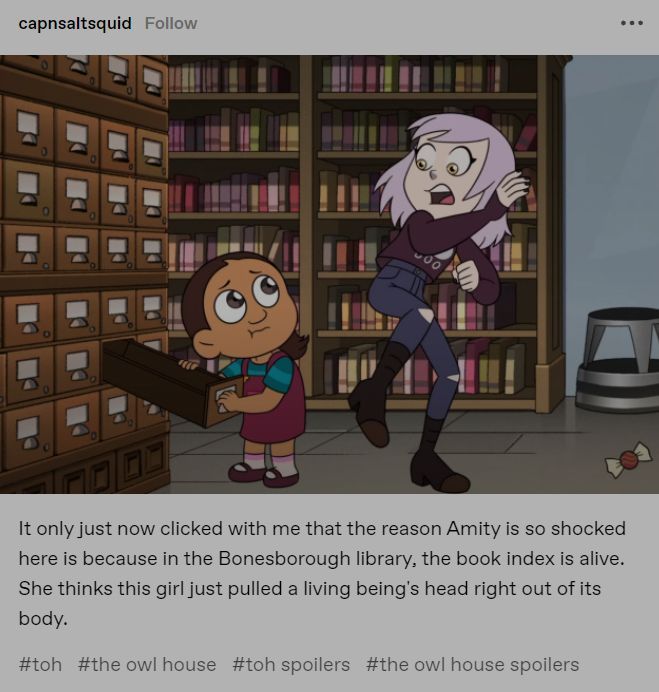
Amity Blight, a central figure in Disney’s animated series “The Owl House,” undergoes a metamorphic character arc that captivates audiences. Initially presented as a prodigious, albeit antagonistic, student at Hexside School of Magic and Demonics, Amity’s complexities unfold layer by layer, revealing a nuanced individual beneath a veneer of perfection. But what catalyzes this profound evolution? Is it the influence of Luz Noceda, or the gradual unraveling of deeply ingrained familial pressures?
From Page to Screen: The Classic Film Adaptation of “Owl Creek Bridge”
Ambrose Bierce’s “An Occurrence at Owl Creek Bridge” is more than just a short story; it’s a masterclass in psychological realism and narrative deception. Its adaptation into film presents unique challenges and opportunities. This exploration will delve into how various cinematic interpretations have grappled with the story’s intricate structure and profound themes. The intent is to dissect the choices made in translating Bierce’s prose to the visual medium, focusing on the narrative sleight of hand and the exploration of subjective experience.
The Blight Siblings: Ranking Amity’s Complicated Family
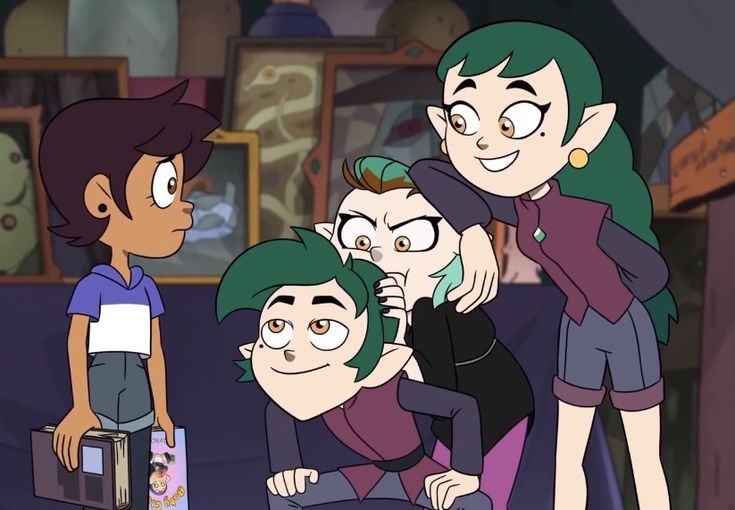
The Blight siblings, hailing from the animated series *The Owl House*, present a fascinating, albeit morally ambiguous, family dynamic. Amity, Emira, and Edric Blight navigate a complex web of familial expectations, personal aspirations, and gradual character development that captivates viewers. Ranking them, therefore, requires a nuanced understanding of their individual arcs and their collective impact on the narrative.
Symbolism 101: The Meaning of the Bridge the Noose and Time Itself
Ever find yourself pondering the silent language woven into the fabric of our world? Symbols, those enigmatic messengers, whisper tales of bygone eras, societal anxieties, and the enduring human condition. Today, we embark on an exploration into the layered meanings behind three potent symbols: the bridge, the noose, and the inexorable march of time. Can these symbols, seemingly disparate, reveal common threads about our collective consciousness? Let’s delve in.
A Complete Guide to Riding Amtrak’s Night Owl from Boston to NYC
The allure of nocturnal transit, a hushed pilgrimage under the celestial canopy, holds a particular fascination. For those seeking passage between Boston and New York City, Amtrak’s Night Owl offers a unique experience, a stark counterpoint to the frenetic energy of daytime travel. But is it merely a mode of transportation, or a portal to a different perception of the well-trodden Northeast Corridor? This comprehensive guide unveils the nuances of the Night Owl, delving into its promises and potential pitfalls.
How Point of View Tricks the Reader in Ambrose Bierce’s Masterpiece
Ambrose Bierce, a master of macabre and psychological suspense, wielded point of view not merely as a narrative device but as a potent instrument of deception. He frequently manipulated perspective to ensnare the reader, creating ambiguity, sowing doubt, and ultimately delivering a more profound and unsettling experience. Let us delve into the intricacies of how Bierce’s point of view choices ensnare the unwary reader in his literary labyrinths.
From Book to Film: The Challenges of Adapting a Classic Short Story
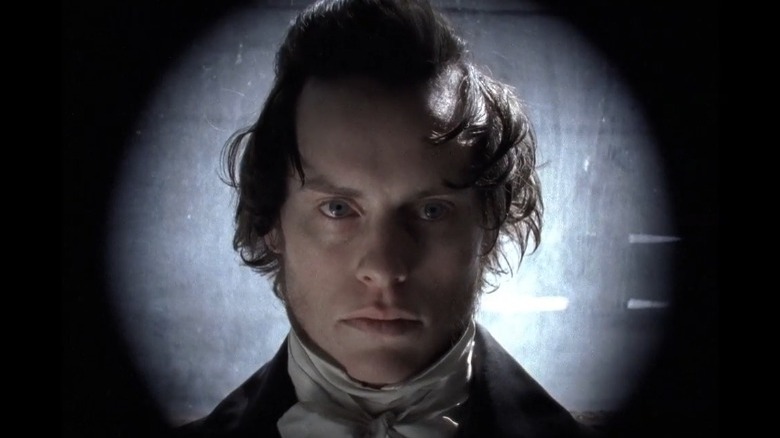
Adapting a classic short story for the silver screen – is it a literary tightrope walk or a cinematic cakewalk? The answer, invariably, lies somewhere in the labyrinthine space between textual fidelity and artistic interpretation. Translating the concentrated power of a short story into a full-fledged film presents a unique set of challenges, demanding a delicate balance of reverence and reinvention.
The Power of Point of View in Storytelling: Lessons from “Owl Creek Bridge”

Ambrose Bierce’s “An Occurrence at Owl Creek Bridge” stands as a monumental example of narrative manipulation, particularly in its masterful deployment of point of view. The story, deceptively simple on the surface, delves into the psychology of a condemned man in his final moments, presenting a study of perception versus reality that continues to resonate with readers and writers alike. It’s a veritable masterclass in how shifting narrative perspective can profoundly alter the reader’s understanding and emotional engagement.
Connecting the Worlds: How ‘Amphibia’ ‘The Owl House’ and ‘Gravity Falls’ are Linked
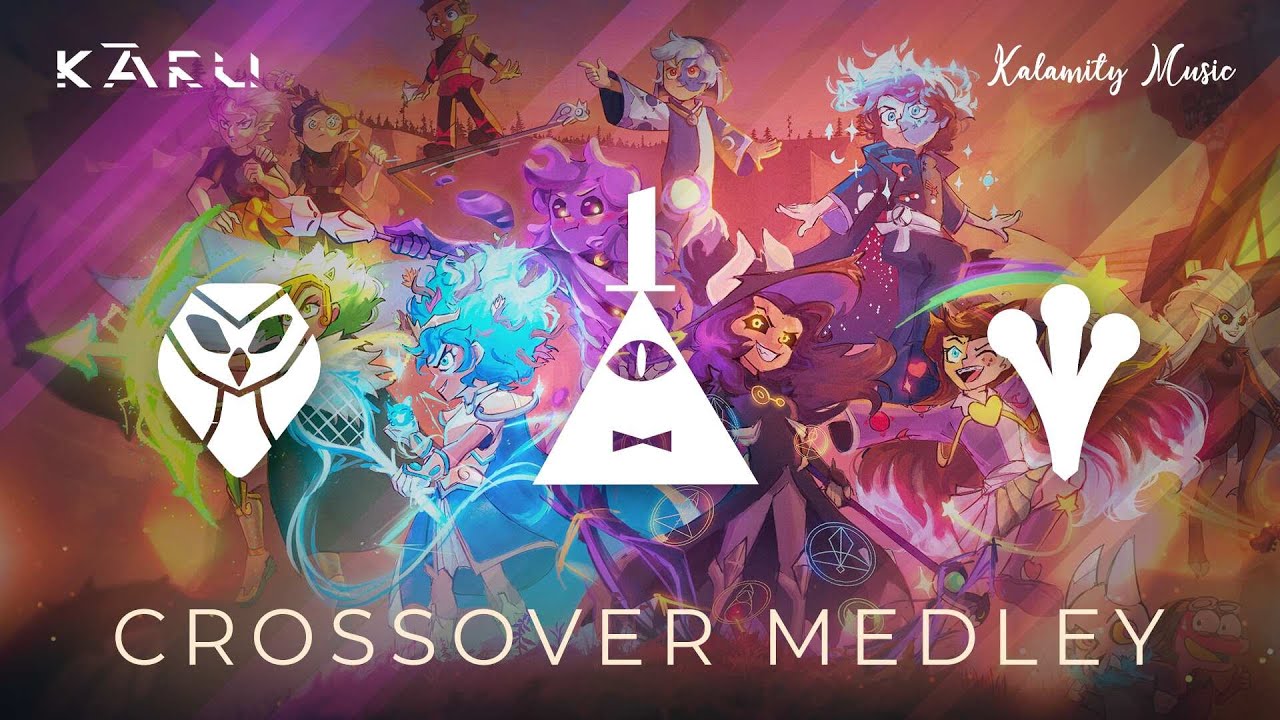
Ever gaze skyward and ponder if disparate celestial bodies might, in fact, be interconnected via unseen gravitational tendrils? A similar question plagues the animation aficionado: Could the whimsical worlds of Amphibia, The Owl House, and Gravity Falls be subtly intertwined, forming a clandestine animated multiverse? The evidence, while circumstantial, certainly titillates the imagination and warrants a deeper examination. Prepare to delve into the chromatic tapestry of these three shows, discerning the common threads that bind them.
The Shocking Twist: A Full Summary of “An Occurrence at Owl Creek”
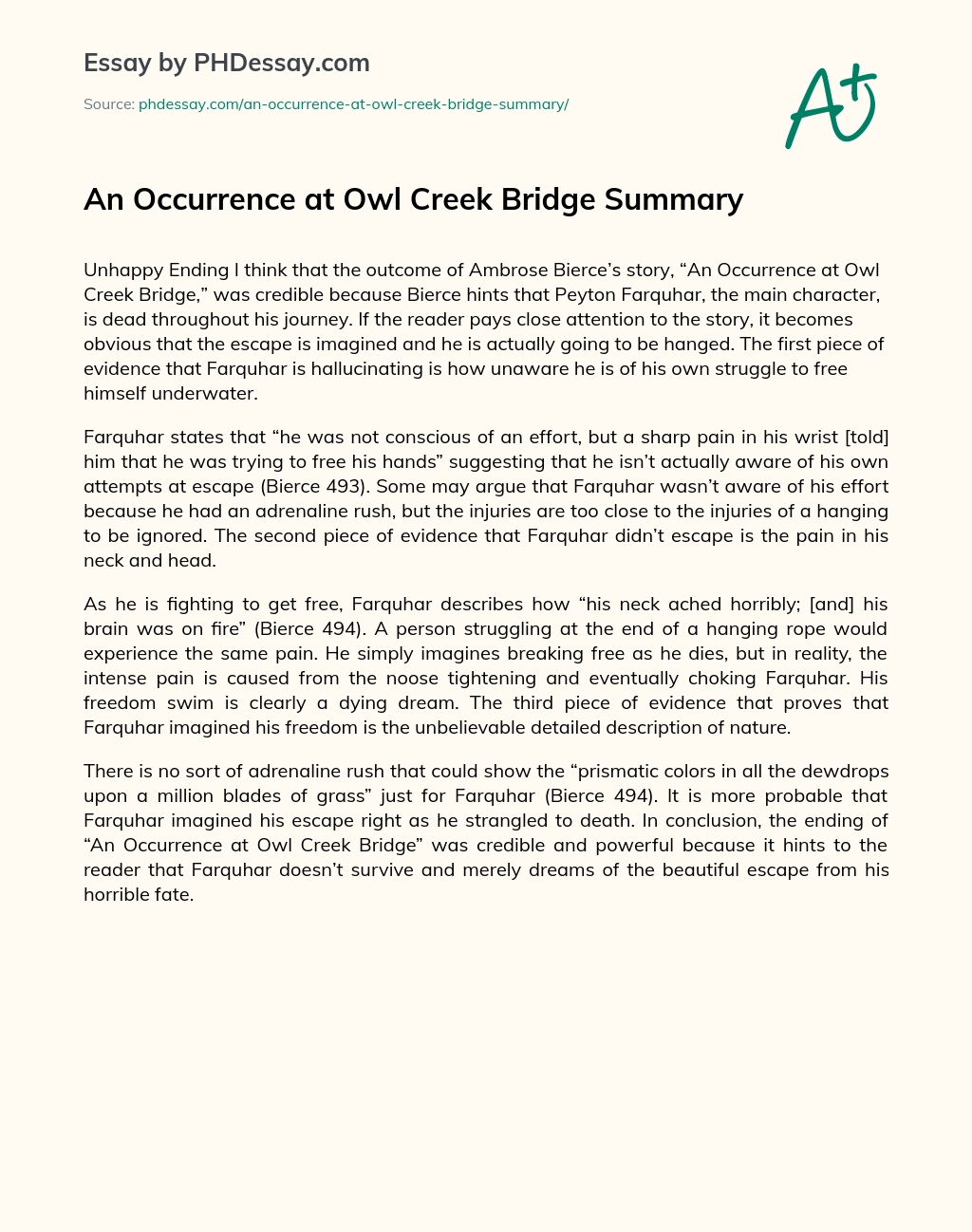
Ambrose Bierce’s “An Occurrence at Owl Creek Bridge” delivers a masterclass in psychological realism cloaked in the guise of a Civil War narrative. Initially, the story presents a seemingly straightforward execution of a Confederate sympathizer, Peyton Farquhar. However, the narrative quickly veers into the subjective, offering a profound exploration of perception, time, and the desperate longing for escape in the face of death.