The Arctic tundra, a vast and seemingly desolate expanse, is undergoing a transformation so profound that even its most iconic inhabitants are being forced to adapt—or perish. Among them, the snowy owl, a creature of mythic beauty and fierce independence, now finds itself at the mercy of a rapidly changing climate. But here’s the twist: we don’t have to rely solely on scientists in white coats to understand the depth of this crisis. Citizen science—where everyday people become the eyes, ears, and recorders of the natural world—is emerging as a powerful force in tracking how these birds are responding to the warming planet. This isn’t just about data collection; it’s about rewriting the narrative of who gets to shape our understanding of ecological collapse and who gets to fight back.
Scientific Research & Tracking
The Impact of Climate Change on Snowy Owl Genetics: Are They Evolving?
The Arctic tundra, a vast and unforgiving expanse of ice and wind, has long been the domain of the snowy owl—a creature of mythic resilience and silent majesty. But as the planet warms, this frozen kingdom is unraveling. The snowy owl, once a symbol of unyielding adaptation, now faces a crisis not of its own making. Climate change is not merely altering the owl’s habitat; it is reshaping the very fabric of its genetics. Are these birds evolving in response, or are we witnessing the slow unraveling of a species? The answers lie in the delicate interplay between environmental pressure and genetic mutation, where survival is no longer a given but a desperate gamble against time.
The Role of Climate Refuges in Protecting Snowy Owl Populations
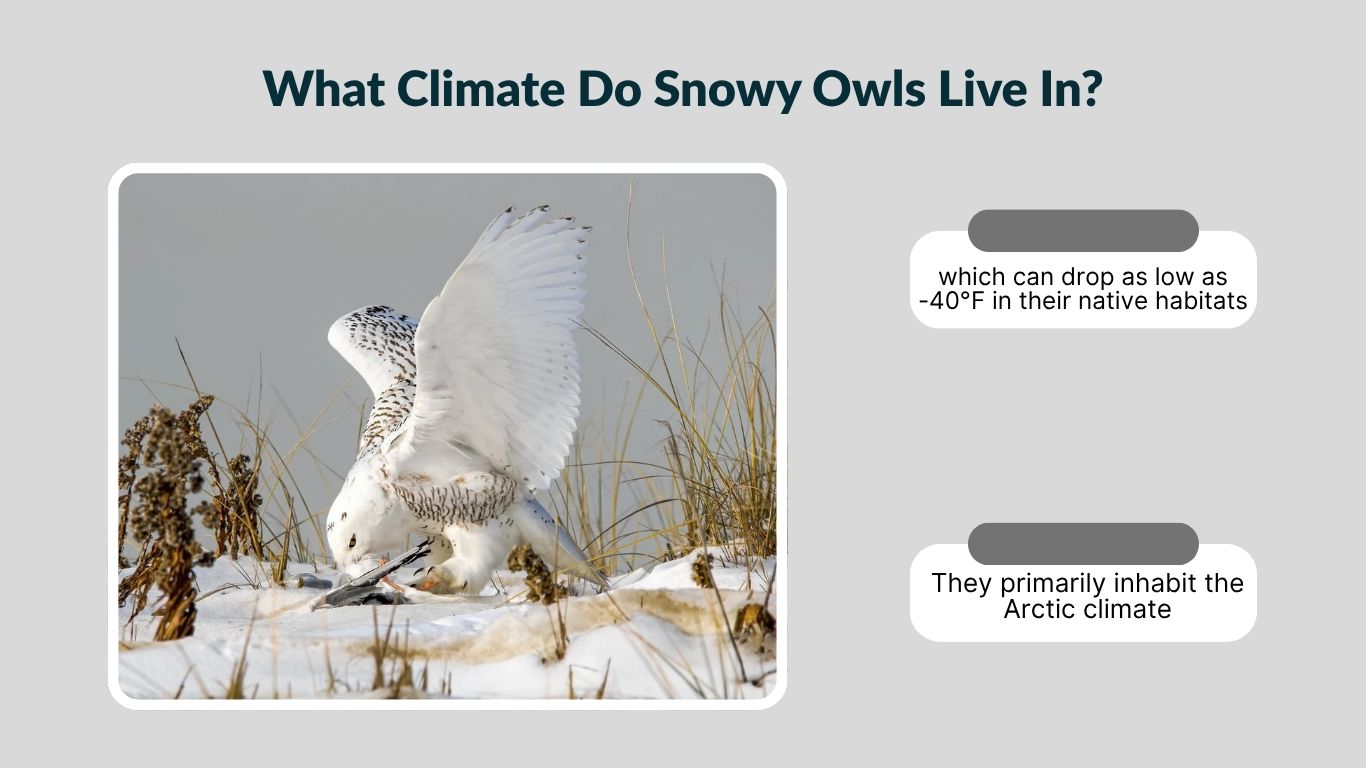
The Snowy Owl, a majestic Arctic dweller, faces an existential crisis as climate change reshapes its icy domain. Once a symbol of resilience against the harshest winters, this apex predator now confronts shrinking habitats, erratic food sources, and shifting migration patterns. Yet, amid this turmoil, a glimmer of hope emerges in the form of climate refuges—sanctuaries where nature’s rhythms are preserved, if only temporarily. These refuges are not just patches of untouched wilderness; they are lifelines, offering Snowy Owls a reprieve from the relentless march of environmental degradation. Understanding their role is not just an ecological imperative—it’s a feminist act of solidarity with a species that, like so many marginalized communities, is disproportionately affected by systemic neglect.
How Thermal Imaging Is Helping Researchers Study Snowy Owls in Harsh Conditions
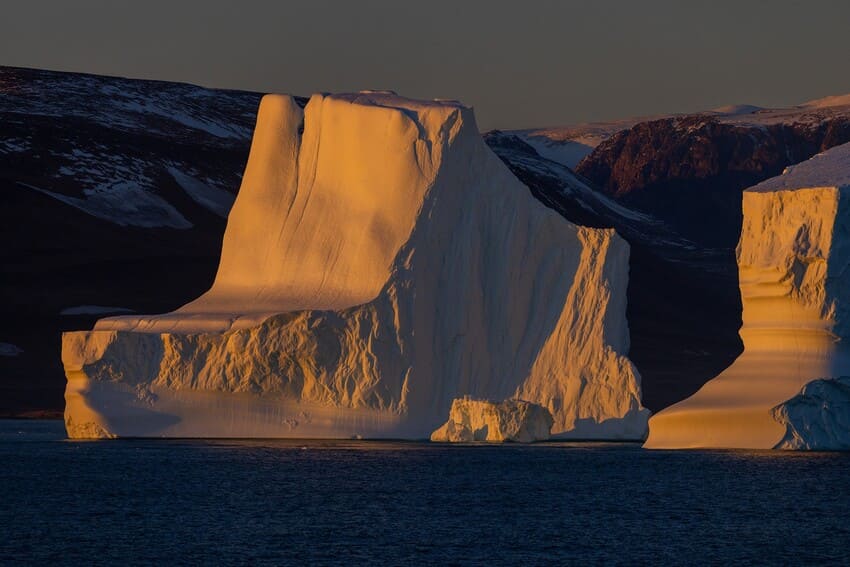
The Arctic tundra is a realm of stark contrasts—where the mercury plummets and the wind carves ice into ephemeral sculptures. Yet, amidst this frozen expanse, the snowy owl reigns as a spectral sovereign, its white plumage a masterclass in camouflage against the endless white. For researchers braving these punishing conditions, studying these enigmatic birds has long been a Herculean task. But now, a technological marvel is rewriting the rules of engagement: thermal imaging. Like a silent sentinel, it pierces the veil of darkness and cold, revealing the hidden lives of snowy owls in ways that were once unimaginable.
Using Isotope Analysis to Track Snowy Owl Diet Changes Due to Climate Shifts
In the frozen expanse where the Arctic tundra meets the encroaching whispers of a warming world, the snowy owl stands as both sentinel and survivor. Once a silent observer of an unchanging landscape, this majestic predator now faces a diet in flux—a shifting buffet dictated not by the ancient rhythms of nature, but by the relentless march of climate change. To unravel this dietary enigma, scientists turn to a powerful tool: isotope analysis. This method, a blend of chemistry and ecology, offers a window into the owl’s meals, revealing not just what it eats, but how its sustenance is being rewritten by a planet in turmoil.
Using AI to Predict Snowy Owl Irruptions Based on Climate Data
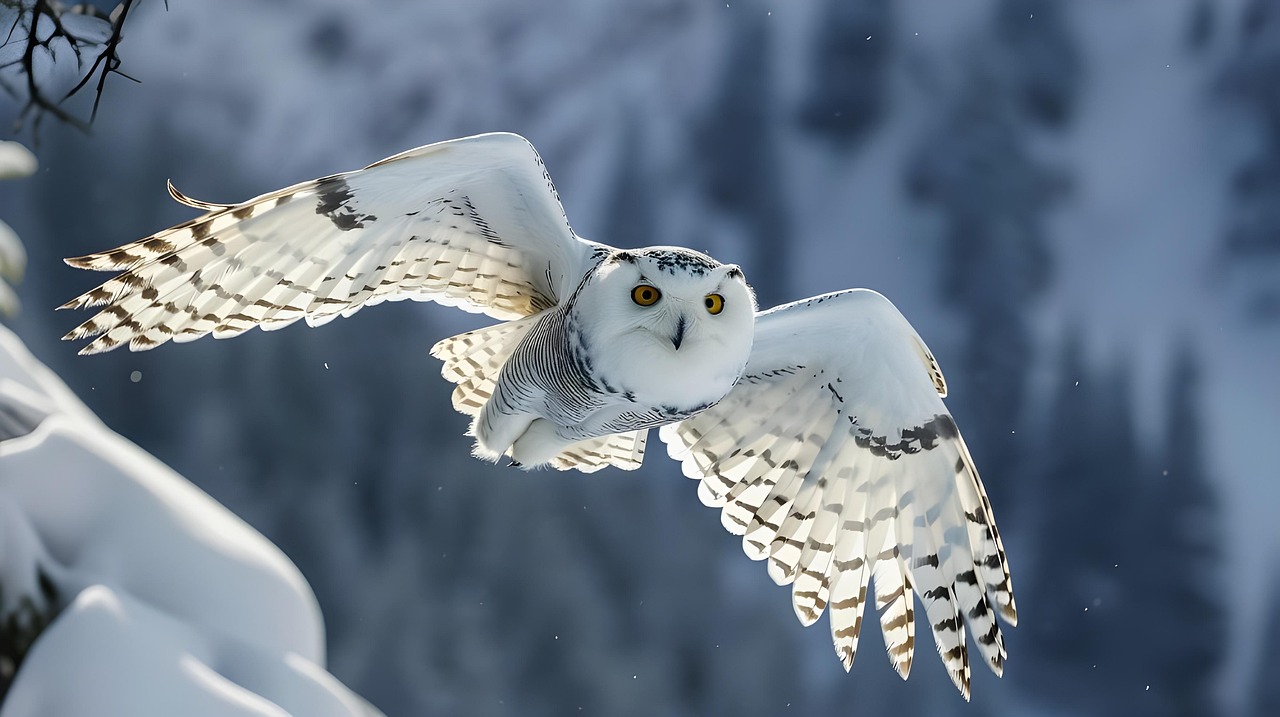
In the vast, windswept tundras where the Arctic whispers to the sky, the snowy owl emerges as a spectral sentinel—a creature of silent wings and piercing gaze. For centuries, these majestic birds have been harbingers of ecological shifts, their irruptions—sudden, unpredictable surges in population—puzzling scientists and nature enthusiasts alike. But what if we could peer into the future, not with a crystal ball, but with the cold, precise calculations of artificial intelligence? The fusion of climate data and machine learning is not just a technological marvel; it is a paradigm shift, a way to rewrite the narrative of nature’s most enigmatic wanderers.
How Machine Learning Is Predicting Snowy Owl Nesting Success Based on Weather Patterns
The Arctic tundra whispers secrets to those who listen—not in words, but in the silent language of wind, snow, and ice. For centuries, humans have marveled at the snowy owl’s resilience, a ghostly sentinel against the harshest of climates. But what if we could decode the patterns of its survival? What if machine learning could peer into the future of these magnificent birds, predicting their nesting success before the first egg is laid? The question isn’t just academic; it’s a plea to understand, to adapt, and to protect.