In the vast, unblinking eye of the cosmos, satellites orbit our planet like celestial sentinels, their lenses trained not on distant stars but on the fragile tapestry of life unfolding below. Among the most enigmatic threads in this living web are the owls—silent hunters of the night, whose survival is intricately woven into the health of ecosystems. Today, an unlikely alliance is forming: satellite tracking technology, once reserved for mapping distant galaxies or tracking hurricanes, is now being harnessed to safeguard these nocturnal guardians. This fusion of cutting-edge innovation and ancient wisdom is rewriting the rules of conservation, offering a lifeline to species teetering on the edge of oblivion.
Conservation Efforts & Policies
The Role of Owls in Traditional Medicine: Myths and Realities

In the tapestry of traditional medicine, owls are often woven as enigmatic symbols—silent sentinels of the night whose presence evokes both reverence and unease. Flapping through the shadowed corridors of cultural mythos, these nocturnal creatures occupy a liminal space between wisdom and superstition. Their roles in ancient healing practices, spiritual rituals, and mythological narratives shimmer like moonlight on a still forest pond, reflecting the complex interplay of fear, respect, and mystique. To unearth the truths nestled beneath the layers of folklore offers a compelling journey into the unique appeal of owls within traditional medicine.
The Impact of Pollution on Owl Reproductive Success
In the quiet shroud of night, when owls take to the skies with silent wings and watchful eyes, a hidden drama unfolds—one heavily influenced by the creeping shadow of pollution. The plight of these enigmatic creatures extends far beyond what the eye can see, intertwining with the very essence of life and survival. The impact of pollution on owl reproductive success is a poignant tale of nature’s vulnerability, promising a shift in perspective that challenges us to recognize the far-reaching consequences of our environmental footprint.
The Impact of Climate Change on Owl Migration: A Scientific Review
In the quiet veil of twilight, owls have long navigated the labyrinth of migration with an uncanny precision, guided by celestial cues and ancient rhythms. Yet, as the relentless tides of climate change reshape the very fabric of their environment, these enigmatic avians face unprecedented challenges. The phenomenon unfolding is far more than a simple shift in geography—it is a profound transformation that promises to rewrite our understanding of migration, survival, and adaptation in the natural world.
The Role of Owls in Ecosystem Services: A Detailed Analysis

When we think of owls, their silent wings and haunting calls often evoke images of mystery and nocturnal solitude. Yet beneath this veil of enigma lies a profoundly vital agent of ecological balance. Far from being mere symbols of wisdom or portents of folklore, owls serve indispensable functions within the ecosystems they inhabit. Their roles traverse beyond mere predation; they weave into the intricate fabric of ecosystem services, promising a fundamental shift in how we perceive wildlife and their contributions to the natural world. This exploration seeks to unveil the multifaceted ecological significance of owls, broadening our appreciation and igniting curiosity about these often overlooked raptors.
Owl Conservation in Urban Areas: Adapting to Human Environments
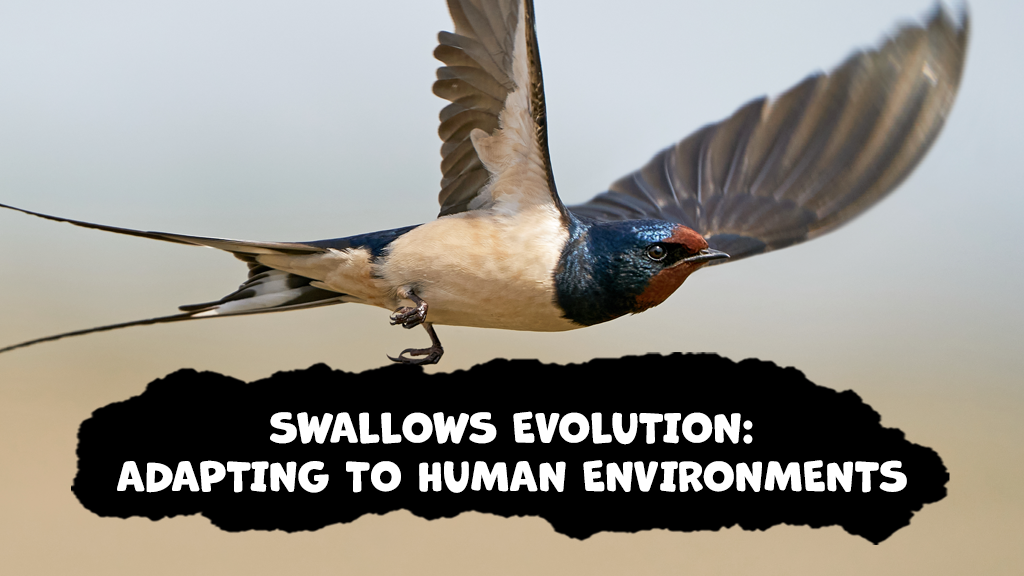
In the dimly lit symphony of the urban night, owls emerge as the silent maestros—masters of shadows navigating the labyrinth of concrete and glass. Their haunting calls echo like ancient incantations, weaving through alleyways, parks, and rooftops, reminding us that nature’s mystique persists even where human footsteps dominate. Owl conservation in urban areas is a delicate dance of adaptation, resilience, and coexistence, requiring a profound understanding of how these enigmatic birds weave their existence into the fabric of our cities.
The Success of Owl Nest Box Programs in Europe
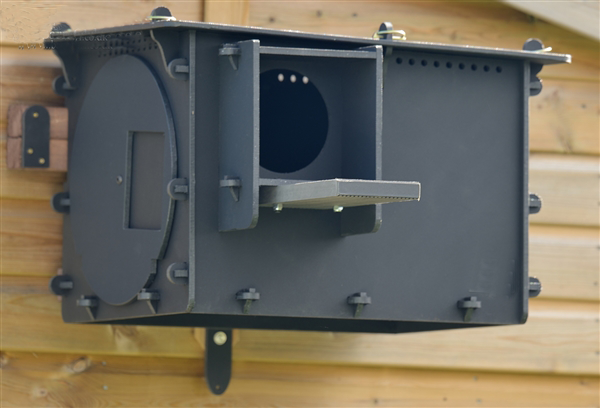
In the quiet, undulating landscapes of Europe, where ancient woodlands whisper secrets to the wind and farmlands stretch like patchwork quilts under the vast sky, a quiet revolution is taking flight. Not with the roar of engines or the clamor of industry, but with the soft, determined flutter of wings. Owl nest box programs—once a niche conservation effort—have burgeoned into a cornerstone of biodiversity restoration, rewriting the ecological narrative of a continent. These unassuming wooden sanctuaries, perched in trees and barns, are not merely shelters; they are lifelines. They are promises. Promises of ecological balance restored, of predator-prey dynamics recalibrated, and of humanity’s role as both steward and participant in the natural world. This is the story of how Europe’s owl nest box initiatives have transcended their humble origins to become a testament to what happens when passion meets purpose—and when the night skies begin to hum with life once more.
Owls in Literature: How Authors Have Portrayed These Mysterious Birds
Few creatures in literature possess the same enigmatic allure as the owl—a bird whose very presence seems to transcend the ordinary. With eyes that gleam like polished obsidian and a silent, ghostly flight, the owl has long been a symbol woven into the fabric of storytelling. From ancient myths to modern novels, authors have harnessed its mystique to evoke themes of wisdom, foreboding, and the uncanny. But why does this nocturnal sentinel captivate us so deeply? The answer lies not just in its physical traits, but in the psychological and cultural layers it carries—layers that reflect our own fascination with the unknown.
The Role of Education in Spreading Owl Awareness
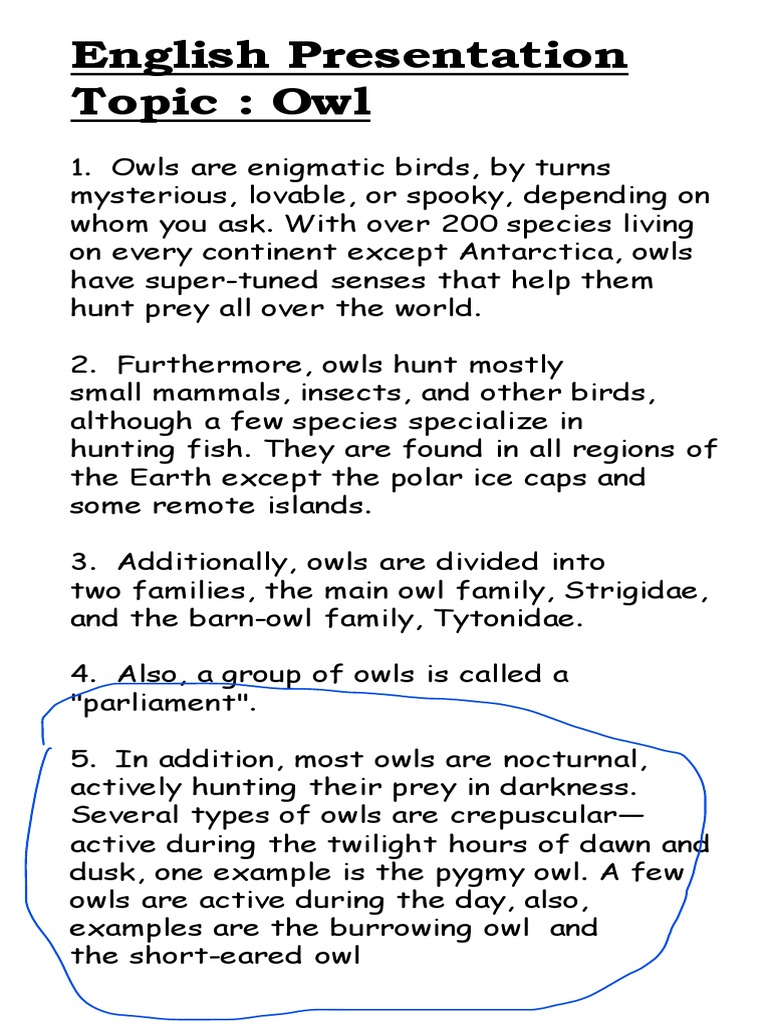
The silent sentinels of the night, owls have long captivated human imagination with their enigmatic gaze and nocturnal prowess. Yet, beyond their folkloric allure lies a creature of profound ecological significance, a master of adaptation whose survival hinges on the delicate balance of ecosystems. Education emerges as the linchpin in unraveling the mysteries of these feathered phantoms, transforming curiosity into conservation. Through meticulously crafted narratives, immersive visuals, and interactive learning, we can bridge the chasm between fascination and action, fostering a generation that not only admires owls but actively safeguards their existence. This exploration delves into the multifaceted role of education in spreading owl awareness, illuminating the pathways through which knowledge ignites stewardship.
The Role of Animal Rights in Owl Protection Debates
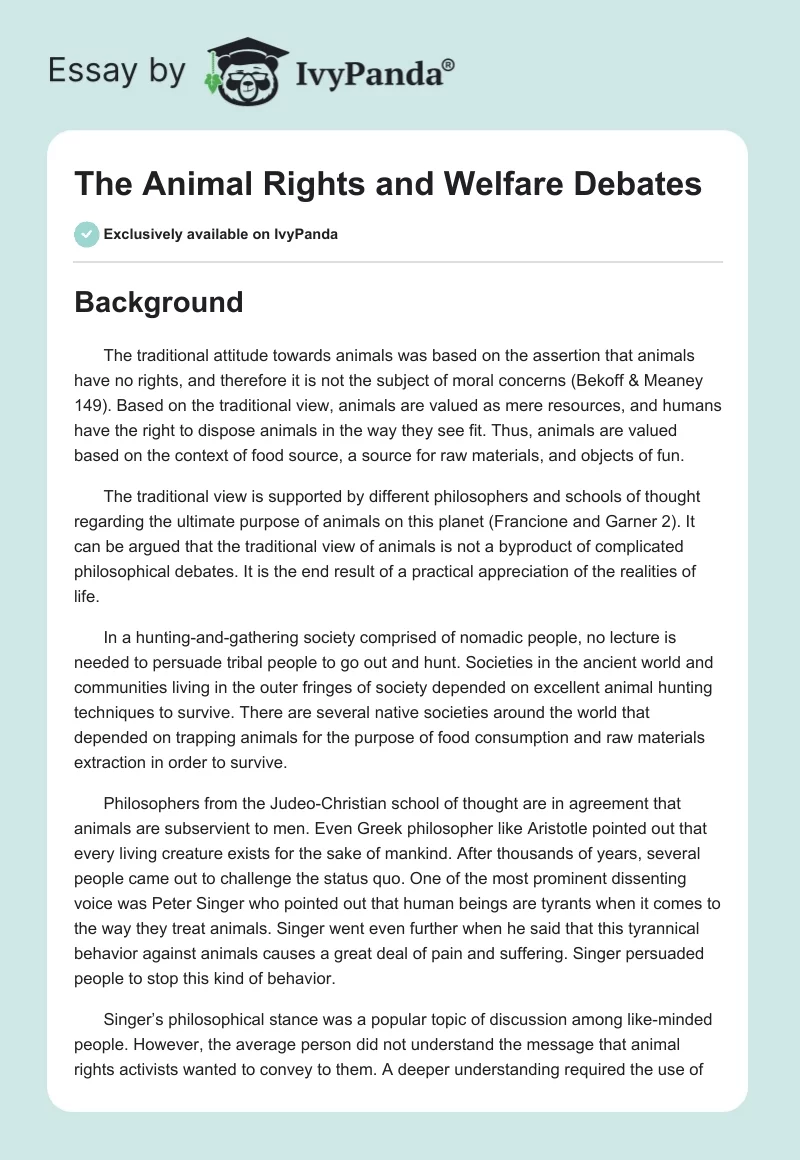
The night whispers through the ancient forests, where the silent wings of owls cut through the darkness like blades of moonlight. These guardians of the twilight, with eyes that pierce the gloom and feathers that whisper secrets to the wind, have long been symbols of wisdom and mystery. Yet, in the modern world, their survival is not merely a matter of ecological balance—it is a battleground where the ideals of animal rights and the pragmatism of conservation collide. The debate surrounding owl protection is not just about saving a species; it is about redefining our relationship with the natural world, where every creature, no matter how small or elusive, holds an intrinsic right to exist beyond the reach of human dominion.