
The barred owl, with its haunting gaze and ghostly visage, has become the epicenter of an intricate legal drama—a clash of nature, ethics, and human intervention that has sparked relentless controversy. Like a specter haunting the forests of the Pacific Northwest, this species has ignited fierce debate, pitting conservationists against wildlife managers in a struggle as tangled as the ancient woods themselves. The legal battle over barred owl culling embodies the murky waters where ecological necessity meets public morality, unfolding a narrative laced with lawsuits, ethical quandaries, and impassioned public outcry.
 Amanda Graves
Owls and Law: Legal Protections and Conservation Policies

Owls have long captured the human imagination, embodying mystery, wisdom, and a deep connection to the nocturnal world. Yet, beyond their symbolic allure lies a critical ecological role that underscores the urgent need for their protection. These silent hunters face mounting threats from habitat destruction, climate change, and human encroachment. Understanding the intricate legal frameworks and conservation policies designed to safeguard owls is essential—not only for preserving these enigmatic creatures but also for maintaining the delicate balance of ecosystems they inhabit.
The Impact of Arctic Shipping Lanes on Snowy Owl Migration Routes

The Arctic, a realm of shimmering ice and endless horizons, is undergoing a transformation that echoes through the wings of the snowy owl. As shipping lanes carve through once-pristine waters, these majestic birds face a silent crisis—one that disrupts their ancient migratory rhythms. The snowy owl, a creature of myth and reality, has long navigated the Arctic’s seasonal shifts with unerring precision. But now, the encroachment of industrial vessels threatens to reroute their journey, leaving scientists and conservationists to grapple with the consequences.
The Role of Migration Corridors in Snowy Owl Irruptions
Have you ever wondered why sometimes, almost out of the blue, the skies flood with the ghostly white silhouettes of snowy owls far beyond their usual Arctic homes? What mysterious forces nudge these enigmatic birds into sudden, large-scale voyages, known as irruptions, across vast stretches of unfamiliar landscapes? At the heart of this avian enigma lies the intricate web of migration corridors—those ancient aerial highways that steer these silent hunters on their unpredictable journeys. But could these corridors be more than mere passages? Could they hold the key to understanding the very phenomenon of snowy owl irruptions, or perhaps even pose hidden challenges that unsettle their age-old rhythms?
Owls and Anthropology: How Human Cultures Have Interacted with These Birds

Owls have fascinated human beings for millennia, their silent flight and nocturnal habits shrouding them in mystery and awe. Across countless cultures, these enigmatic birds have been more than mere creatures of the night; they have woven themselves into the very fabric of human mythology, symbolism, and ritual. Exploring the complex relationship between owls and anthropology reveals a profound tapestry of belief systems, cultural expressions, and societal values. This exploration unveils how owls have been revered, feared, and immortalized, offering insights into the diverse ways human communities have encountered and interpreted the natural world.
The State of Owls in Europe: A Regional Overview
Owls have always held a mysterious allure in the annals of European wildlife. These enigmatic birds, cloaked in nocturnal splendor, occupy a vital niche in the continent’s diverse ecosystems. From dense woodlands to open farmlands, Europe’s owl species exhibit remarkable adaptability and ecological significance. This comprehensive overview delves into their distribution, behaviors, conservation status, and cultural resonance, furnishing readers with a rich tableau of insight into the state of owls across Europe.
Owl Conservation in Island Nations: Unique Challenges and Solutions

Have you ever wondered what it’s like to be a silent sentinel of the night, watching the world from the shadows, yet facing existential threats that echo louder than your hoots? Owls in island nations—those isolated paradises where the sea whispers ancient secrets—are not just birds; they are living paradoxes. Masters of stealth and mystery, these raptors navigate a delicate balance between survival and extinction, their fate intertwined with the very ecosystems that cradle them. But what happens when the tides of change erode the shores they call home? What if the very isolation that once protected them now becomes their undoing? Let’s embark on a journey to uncover the unique challenges these feathered guardians face and the ingenious solutions that could save them from vanishing into the night.
Owls in Mythology: Symbols of Wisdom Death and Mystery Across Cultures
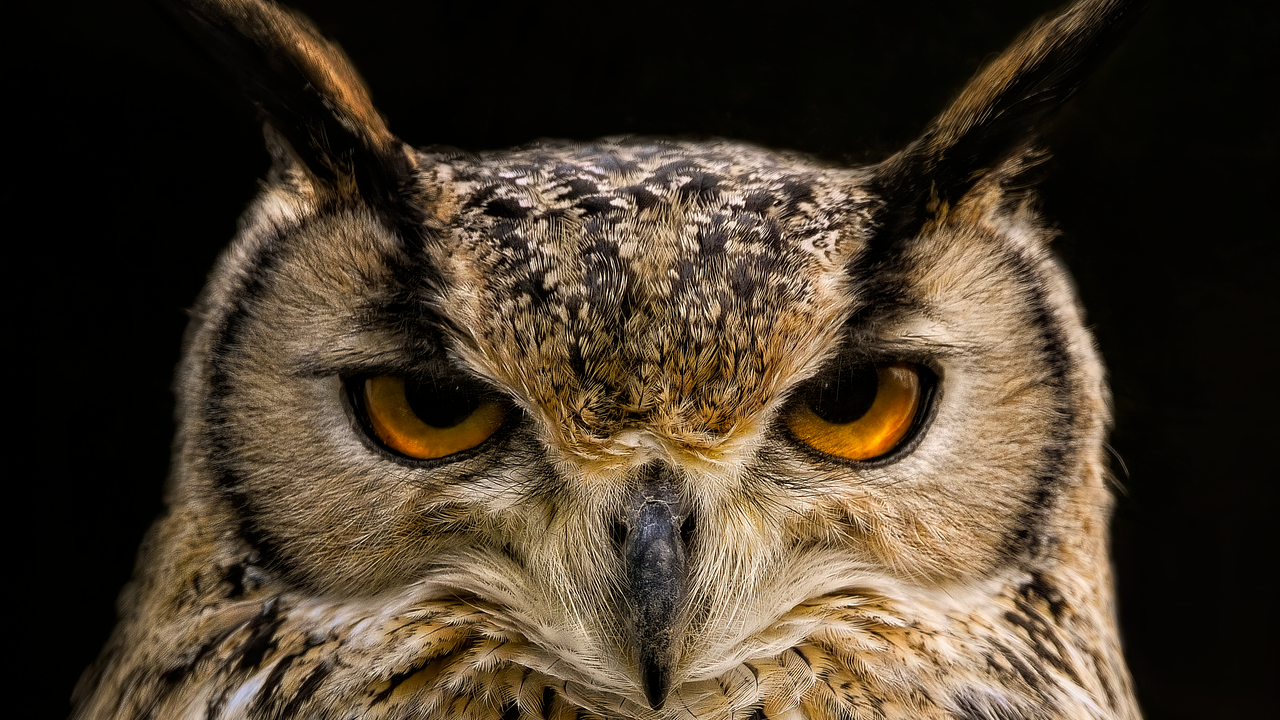
There is a creature that glides through the night, its golden eyes piercing the darkness like twin lanterns in a forgotten crypt. It does not hoot—it whispers. It does not flap—it levitates. The owl, with its silent wings and unblinking gaze, has long been more than a bird. It is a mirror. A mirror that reflects the deepest fears, the loftiest aspirations, and the most enigmatic truths of humanity across millennia. From the sun-drenched temples of ancient Egypt to the mist-laden forests of Celtic lore, the owl has been both revered and reviled, a paradox wrapped in feathers and mystery. This is not merely a tale of a nocturnal creature. It is a chronicle of how cultures have projected their own souls onto the silent sentinel of the night—and how, in doing so, they have redefined wisdom, death, and the very fabric of reality itself.
The Impact of the Internet of Things (IoT) on Owl Habitat Monitoring
The Internet of Things (IoT) has woven itself into the fabric of modern ecology, transforming how we perceive and protect the natural world. Among its most enchanting applications is the monitoring of owl habitats—a domain where technology meets the whispers of the night. Owls, those nocturnal sentinels of the wild, have long been shrouded in mystery, their behaviors and habitats studied through fragmented glimpses and fleeting observations. But with IoT, we are no longer limited to the shadows. Instead, we step into a realm where data becomes a silent observer, where sensors hum like the wings of an owl in flight, and where every rustle in the undergrowth is translated into a story waiting to be told.
How to Advocate for Snowy Owl Protection in Climate Policy Discussions
The Arctic tundra, a vast and fragile expanse, is undergoing a silent transformation. Once a sanctuary for the ethereal Snowy Owl, this icy realm now faces an existential threat—not from the talons of a predator, but from the invisible hand of climate change. As global temperatures rise, these majestic birds, adorned in their pristine white plumage, are being pushed to the brink of survival. Yet, their plight is not just a matter of ecological concern; it is a clarion call for justice, a reminder that the most vulnerable among us—both human and non-human—bear the heaviest burden of our collective inaction. Advocating for Snowy Owl protection in climate policy discussions is not merely an environmental imperative; it is a moral obligation, a feminist act of solidarity with the voiceless, and a testament to our commitment to intergenerational equity.