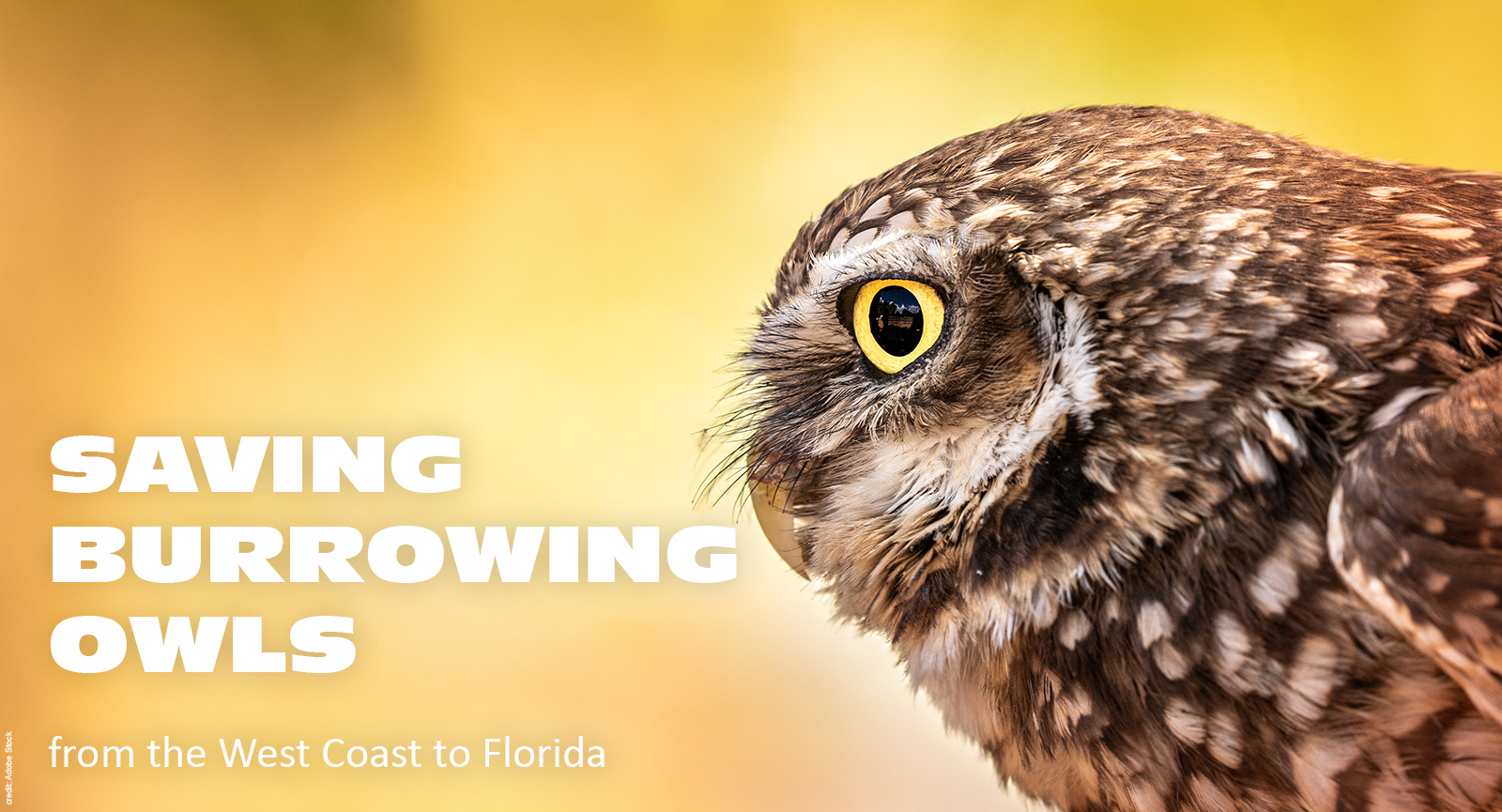
The silent flutter of wings against twilight, the piercing gaze of a burrowing owl from its sandy perch—these moments stir something primal in us. We marvel at their resilience, their adaptability, their uncanny ability to thrive where others falter. Yet beneath the surface of this fascination lies a truth as compelling as the birds themselves: saving owls isn’t just an act of ecological stewardship; it’s a shrewd economic investment. The economics of owl conservation reveal a paradox: the creatures we protect often pay us back in ways both tangible and profound.
The Hidden Ledger of Biodiversity: Where Nature Keeps Its Books
Every ecosystem operates on an invisible ledger, where services rendered by wildlife are tallied in currencies we rarely recognize. Owls, for instance, are nature’s unpaid pest controllers. A single barn owl can consume over 1,000 rodents in a year—rodents that would otherwise gnaw through crops, contaminate grain stores, or spread disease. The U.S. alone spends billions annually on rodenticides and crop protection; a thriving owl population slashes these costs by reducing the need for chemical interventions. This isn’t charity. It’s fiscal prudence disguised as conservation.
Consider the financial domino effect: fewer pesticides mean healthier soil microbiomes, which in turn boost agricultural yields. Healthier crops translate to lower food prices and reduced healthcare costs from pesticide exposure. The savings cascade outward, touching sectors we seldom associate with wildlife. Even real estate markets benefit—properties near owl habitats often command premiums, as buyers pay for the intangible value of open space and ecological integrity. The ledger doesn’t lie: biodiversity is an asset, and owls are its most efficient auditors.
Ecotourism: The Silent Revenue Stream That Never Dries Up
Tourists flock to national parks not just for vistas, but for the chance to witness charismatic wildlife in its natural habitat. Owls, with their enigmatic presence and photogenic charm, are magnets for eco-tourism. In Florida, guided burrowing owl tours draw thousands annually, funneling millions into local economies. These aren’t fleeting trends; they’re sustainable income streams that require no extraction, no depletion—just preservation.
The math is elegant. A single owl-watching excursion might cost $50 per visitor, with 20 people per tour. Multiply that by 50 weekends a year, and a modest colony generates $50,000 annually for guides, hotels, and diners. Compare this to the one-time profits of land development, and the choice becomes clear: a living owl is worth more than a bulldozed nest. The irony? The birds themselves need never lift a wing to earn their keep. Their existence is the attraction, their survival the dividend.
This isn’t limited to tropical climes. In Europe, eagle owl sightings have revitalized rural villages, turning once-declining communities into destinations. The lesson is universal: wildlife is not a liability; it’s a brand. And brands, when nurtured, outlast industries built on exploitation.
The Cost of Extinction: When Nature’s Invoices Come Due
Every species that vanishes leaves behind a debt—one that accrues interest over time. The passenger pigeon’s extinction didn’t just erase a bird; it erased a free pest-control service that once saved farmers millions in crop losses. Today, we’re seeing the same pattern with owls. In regions where burrowing owl populations plummet, rodent infestations surge, forcing municipalities to allocate funds for traps, baits, and public health campaigns. These aren’t hypothetical costs; they’re line items in budgets that grow thicker with each lost nest.
Then there’s the hidden tax of ecosystem collapse. Owls are sentinels of healthy grasslands and wetlands. Their decline often signals broader environmental degradation—soil depletion, water scarcity, or pesticide buildup. The cleanup bills for these issues dwarf the cost of proactive conservation. A single oil spill cleanup can run into the billions; restoring a degraded prairie to support owls costs a fraction of that, with benefits that compound for decades.
Even healthcare systems bear the brunt. Rodents aren’t just crop pests; they’re vectors for hantavirus, leptospirosis, and salmonella. In areas where owl populations are decimated, rodent-borne diseases spike, driving up medical expenses and lost productivity. The World Health Organization estimates that zoonotic diseases cost the global economy trillions annually. Owls, it turns out, are frontline defense against these invisible threats.
The Alchemy of Adaptation: How Owls Turn Scarcity Into Opportunity
Owls are survivors. Where other birds falter, they adapt—nesting in golf course sand traps, urban medians, or even airport runways. This adaptability isn’t just ecological; it’s economic. Cities that embrace owl-friendly policies—like installing artificial burrows or limiting pesticide use—discover unexpected windfalls. Airports, for instance, spend fortunes on bird strike prevention; owls, which hunt at night, reduce collisions with planes by keeping rodent populations in check. The savings? Millions per year, per airport.
Corporations are catching on. Solar farms in deserts now install owl perches to deter pests that damage panels. Winemakers in California plant owl-friendly hedgerows to control gophers without chemicals. The result? Lower operational costs, premium branding as “sustainable,” and a competitive edge in markets that reward eco-consciousness. Owls, it seems, are the ultimate corporate partners—silent, efficient, and endlessly profitable.
This adaptability extends to climate change. As temperatures shift and habitats fragment, generalist species like owls often fare better than specialists. Their survival ensures that ecosystems remain functional, even as other species struggle. In a world where climate adaptation is the new frontier, owls are the canaries in the coal mine—and the miners’ best allies.
The Moral Ledger: Why We Can’t Afford Not to Care
There’s a final, unquantifiable cost to owl extinction: the erosion of wonder. When we lose these birds, we lose more than a service; we lose a story. The burrowing owl’s comical habit of standing sentinel outside its nest, the barn owl’s ghostly flight over moonlit fields—these are the moments that remind us nature is not a resource to be mined, but a symphony to be conducted. The economic argument for conservation isn’t just about dollars and cents; it’s about the kind of world we want to inherit.
Consider the alternative. A planet where owls are reduced to museum specimens, their ecological roles replaced by machines and chemicals. The price tag would be staggering—not just in lost pest control or tourism, but in the quiet despair of a world that no longer hums with life. Conservation, then, is the ultimate hedge against regret. It’s the recognition that some assets—clean air, thriving wildlife, the thrill of discovery—are priceless.
So the next time you see an owl perched on a fence post, remember: you’re not just looking at a bird. You’re looking at a balance sheet. And the numbers, when you do the math, are overwhelmingly in its favor.