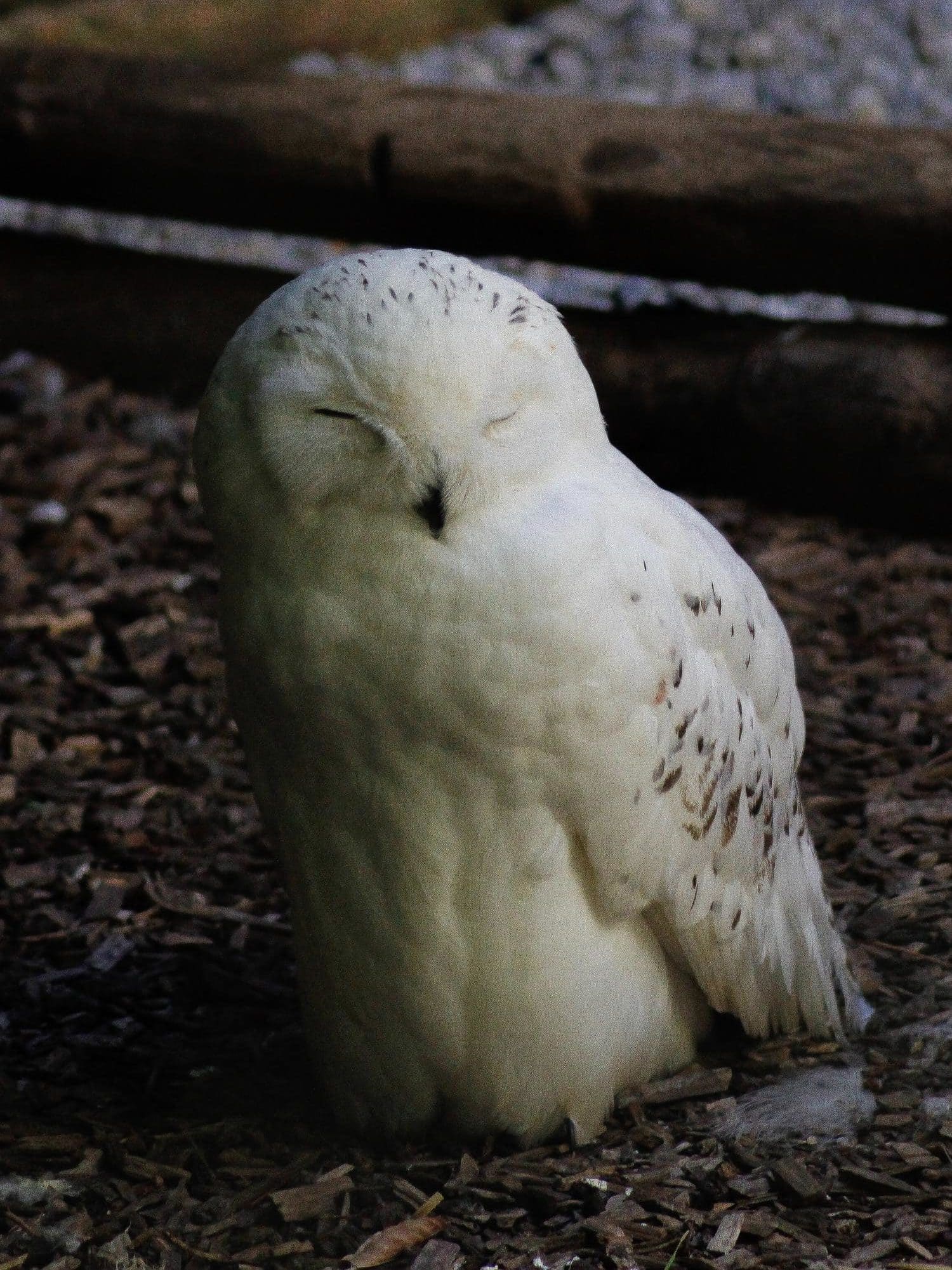
The sight of a snowy owl descending upon a winter landscape is a spectacle that has captivated birdwatchers and scientists alike. These ethereal predators, with their piercing yellow eyes and snowy plumage, are not merely wanderers—they are the embodiment of nature’s unpredictability. Yet, what drives their dramatic irruptions, those sudden surges in their southern migrations? Is it a quirk of fate, or are there deeper genetic mechanisms at play? The answer lies not in the whims of weather alone, but in the intricate dance of biology, evolution, and survival.
The Phenomenon of Irruptions: When Snowy Owls Defy Convention
Irruptions are not mere migrations; they are biological storms, where populations of snowy owls descend upon regions far beyond their usual Arctic haunts. These events, often occurring in cycles of three to five years, leave ornithologists scrambling to decipher their causes. Unlike the predictable journeys of songbirds, snowy owl movements are erratic, defying the rhythms of seasonal change. Some years, they vanish entirely from southern regions, only to reappear in force the next. This capriciousness hints at a more complex narrative—one where genetics may hold the key to their wanderlust.
The Arctic tundra, their ancestral home, is a land of extremes. Here, food is abundant in some years and scarce in others, forcing owls to adapt or perish. When lemming populations crash—a primary prey source—snowy owls face a stark choice: starve or seek sustenance elsewhere. But not all owls respond the same way. Some remain steadfast, while others embark on journeys that span continents. This variability suggests that genetics may predispose certain individuals to wander, turning irruptions into a genetic lottery where survival favors the bold.
Genetic Predispositions: The Role of Innate Wanderlust
At the heart of this mystery lies the concept of migratory propensity—a genetic inclination toward movement. Studies on other bird species have revealed that certain genes, such as those regulating fat metabolism or photoperiod response, can influence whether an individual migrates. For snowy owls, the same may hold true. Those with genetic markers favoring energy efficiency or risk-taking behaviors might be more likely to embark on irruptive journeys, driven by an internal compass that whispers of distant lands.
Research into the genomes of snowy owls has uncovered variations in genes associated with stress response and exploratory behavior. Owls with these traits may perceive environmental stressors—like food scarcity—as a call to action, compelling them to seek new territories. This genetic predisposition could explain why some irruptions are dominated by younger, inexperienced owls, while older, more sedentary individuals remain behind. Nature, it seems, has hardwired some birds for adventure, while others are content to endure the harsh Arctic winters.
Environmental Triggers: When Genes Meet the Wild
Genetics alone do not dictate the fate of snowy owls; they merely set the stage. The real drama unfolds when these genetic tendencies collide with the unpredictable forces of nature. A harsh winter, a lemming population collapse, or even subtle shifts in climate can act as catalysts, pushing genetically predisposed owls into uncharted territories. The interplay between these factors is a delicate balance—one where survival hinges on the ability to adapt.
Consider the role of photoperiod, the length of daylight, which governs the hormonal cycles of birds. In years when daylight patterns shift unexpectedly, snowy owls may misinterpret the signals, triggering premature or delayed migrations. Combined with genetic predispositions, this can lead to a perfect storm of irruptive behavior. The result? A surge of owls flooding into regions where they are rarely seen, their arrival a testament to the unpredictable synergy of genes and environment.
The Survival Advantage: Why Irruptions Matter
At first glance, irruptions may seem like a desperate gamble—a gamble that doesn’t always pay off. Many snowy owls perish during these journeys, succumbing to starvation, predation, or the harsh realities of unfamiliar landscapes. Yet, for those that survive, the rewards are profound. By colonizing new territories, these owls reduce competition for resources, ensuring the survival of their genes. This strategy, known as dispersal, is a cornerstone of evolutionary success, allowing species to colonize distant habitats and avoid inbreeding.
The genetic diversity introduced by irruptions also strengthens the species as a whole. Inbreeding depression—a decline in fitness due to close genetic relationships—is a constant threat in isolated Arctic populations. Irruptions act as a genetic lifeline, injecting fresh blood into the gene pool and enhancing resilience. In this light, irruptions are not mere anomalies; they are a survival mechanism, a testament to the adaptability of life itself.
The Human Fascination: Why We Care About Snowy Owl Wanderings
There is something profoundly human about our fascination with snowy owl irruptions. These birds embody the spirit of exploration, the relentless drive to seek out new horizons. Their journeys mirror our own quests for meaning, for purpose, in an ever-changing world. When we watch a snowy owl glide over a frozen field, we glimpse the raw power of nature’s unpredictability—a reminder that life is not a straight path, but a series of daring leaps into the unknown.
Moreover, the study of snowy owl genetics offers a window into the broader mysteries of migration. If we can unravel the genetic code behind their wanderings, we may gain insights into the migratory behaviors of countless other species. This knowledge could inform conservation efforts, helping us protect not just snowy owls, but the delicate balance of ecosystems they inhabit. In a world where climate change is reshaping habitats at an unprecedented rate, understanding these genetic mechanisms could be the key to survival—for both owls and humans alike.
A Final Thought: The Dance of Genes and Wilderness
The genetics of snowy owl irruptions are a reminder that life is not a fixed script, but a dynamic interplay of forces. Genes set the stage, but it is the wild, unpredictable world that writes the final act. For snowy owls, irruptions are more than migrations—they are a dance of survival, a testament to the resilience of life in the face of adversity. And as we watch these magnificent birds take flight, we are reminded of our own place in this grand, ever-unfolding story.