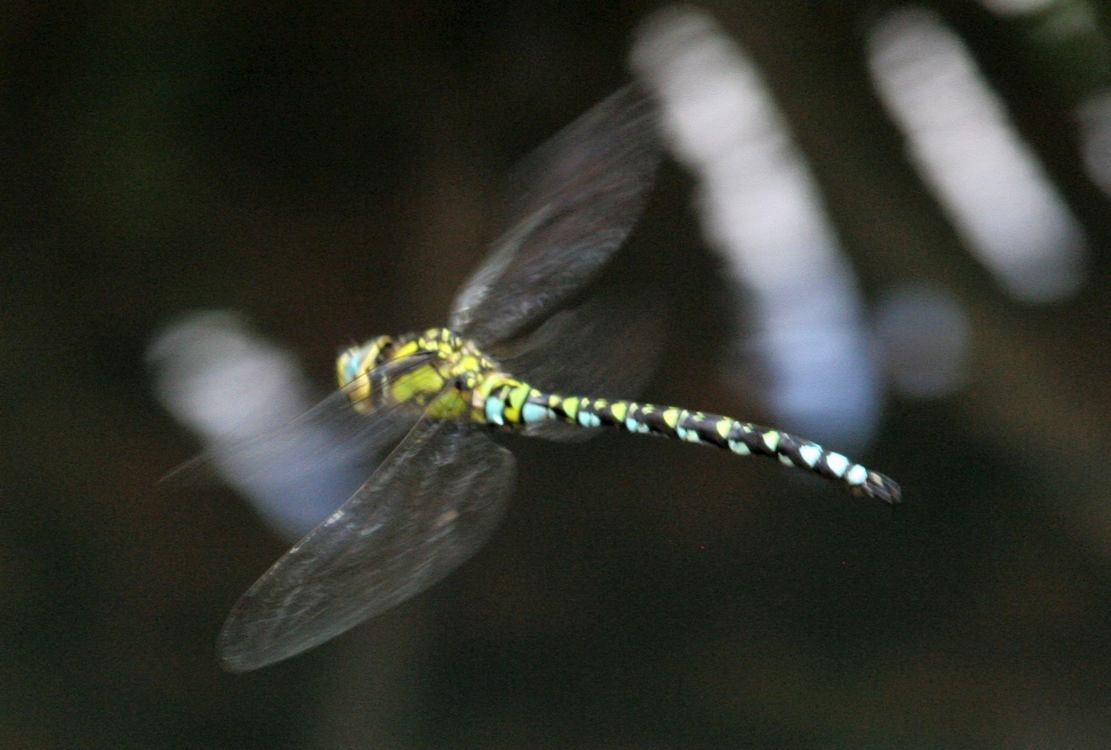
The silent flutter of moths against moonlit foliage, the industrious march of ants along forgotten trails, the ethereal dance of fireflies in summer twilight—these are not mere vignettes of nature’s poetry, but the fragile threads of an ecosystem unraveling. Insects, those diminutive architects of biodiversity, are vanishing at an alarming rate, their decline echoing through the food web like a discordant symphony. At the apex of this web, owls—those nocturnal sentinels of wisdom and stealth—are feeling the tremors of this collapse firsthand. The link between owl decline and insect population collapse is not a coincidence; it is a cascading consequence, a domino effect set in motion by human hands and unchecked environmental degradation. To understand this intricate relationship is to peer into the heart of ecological interdependence, where every creature, no matter how small or seemingly insignificant, plays a vital role in the grand tapestry of life.
The Silent Vanishing: Understanding Insect Population Collapse
Insects are the unsung heroes of terrestrial ecosystems, performing feats of pollination, decomposition, and predation that sustain life as we know it. Yet, their populations are plummeting at an unprecedented scale—a phenomenon scientists have termed insectageddon. Studies reveal staggering declines: some regions have lost up to 75% of their flying insect biomass over the past three decades. The culprits? Habitat destruction, pesticide overuse, climate change, and the relentless spread of monoculture agriculture. These factors don’t just reduce insect numbers; they dismantle the intricate networks that support biodiversity. Without insects, the very foundation of life on Earth begins to crumble, and owls, as apex predators within their nocturnal realms, are among the first to feel the repercussions.
Owls: The Nocturnal Keystones of the Food Web
Owls are not merely charismatic creatures of folklore; they are ecological keystones, species whose presence or absence reverberates through entire ecosystems. As apex predators, they regulate prey populations, from rodents to insects, maintaining a delicate balance. Their decline is not just a loss of majestic hunters but a symptom of a broader ecological imbalance. When insect populations dwindle, owls face a dire scarcity of food, forcing them to adapt—or perish. Some species may shift their diets to compensate, but such adaptations are often unsustainable, leading to malnutrition, reduced reproductive success, and ultimately, population crashes. The disappearance of owls from a region is not just a tragedy for birdwatchers; it is a harbinger of systemic failure.
The Domino Effect: How Insect Decline Triggers Owl Collapse
The relationship between insect decline and owl populations is a classic example of a trophic cascade, where the loss of one species triggers a chain reaction through multiple layers of the food web. Consider the barn owl, a species that relies heavily on small mammals like voles and mice, which in turn feed on insects. When insect populations collapse, the rodents starve, and the owls follow suit. Even insectivorous owls, such as the eastern screech-owl, suffer as their primary food sources vanish. This domino effect extends beyond direct predation. Insects are also vital decomposers, breaking down organic matter and enriching the soil. Without them, ecosystems become less productive, further reducing the resources available to owls and their prey. The collapse is not linear; it is a spiral of decline, each turn tightening the noose around the neck of biodiversity.
Pesticides: The Invisible Hand of Destruction
Among the most insidious threats to both insects and owls are pesticides, particularly neonicotinoids and other systemic chemicals. These toxins don’t just kill target pests; they accumulate in the environment, poisoning non-target species, including insects that owls rely on for food. Neonicotinoids, for instance, have been linked to the collapse of bee populations, but their reach extends far beyond pollinators. They contaminate waterways, soil, and even the tissues of insectivorous birds. Owls that consume contaminated prey may suffer from neurological damage, weakened immune systems, or reproductive failure. The irony is stark: the very chemicals designed to protect crops are dismantling the natural pest control mechanisms that owls and other predators provide. In this way, pesticides are not just a tool of agriculture; they are an agent of ecological sabotage.
Climate Change: The Unseen Threat Multiplier
Climate change acts as a silent accelerant, amplifying the effects of habitat loss and pesticide use. Rising temperatures disrupt the life cycles of insects, causing mismatches between predator and prey. For example, if insects emerge earlier in the season due to warmer springs, but owls have not yet adapted their breeding schedules, the owls may miss the critical window to feed their young. Additionally, extreme weather events—droughts, floods, and wildfires—destroy habitats and reduce insect populations, leaving owls with fewer resources. Climate change also alters the distribution of species, forcing owls to compete with new predators or migrate to unfamiliar territories where they may struggle to survive. The result is a double-edged sword: insects and owls alike are caught in a tightening vice of environmental change.
Habitat Fragmentation: The Death of the Wild Corridors
Human development has carved the natural world into isolated fragments, severing the wild corridors that once allowed insects and owls to thrive. Forests are cleared for agriculture, wetlands drained for urban expansion, and grasslands plowed under for industry. These fragmented habitats are ecological islands, where populations become genetically isolated and vulnerable to collapse. Insects, with their limited mobility, are particularly susceptible to habitat fragmentation. Without contiguous spaces to forage and reproduce, their numbers dwindle. Owls, which require large territories to hunt and nest, fare no better. The loss of habitat doesn’t just reduce the number of insects; it erodes the very structure of the ecosystem, leaving owls with nowhere to go and nothing to eat. The fragmentation of nature is not just a spatial issue; it is a existential one.
Conservation Strategies: Can We Save the Owls Before It’s Too Late?
The decline of owls and insects is not inevitable. Conservation strategies that address the root causes of their collapse can reverse the trend, but they require urgent, coordinated action. For insects, this means reducing pesticide use, restoring native habitats, and promoting agroecological farming practices that support biodiversity. For owls, it means protecting and expanding their habitats, creating wildlife corridors, and mitigating the effects of climate change. Citizen science initiatives, such as bird counts and insect monitoring programs, can provide valuable data to guide conservation efforts. Additionally, public awareness campaigns can highlight the importance of these species and the threats they face. The key is to act before the last owl falls silent and the last insect flickers out. Time is not on our side.
The Future of the Night: A Call to Reckoning
The link between owl decline and insect population collapse is a stark reminder of our interconnectedness with the natural world. Owls are not just symbols of wisdom; they are barometers of ecological health. When they vanish, it is a sign that the systems we depend on are failing. The loss of insects is not a distant threat; it is happening now, in our backyards and across the globe. The question is not whether we can afford to act, but whether we can afford not to. The future of the night depends on the choices we make today. Will we continue down the path of destruction, or will we rewrite the story of our relationship with nature? The owls are watching. The insects are waiting. The time to act is now.