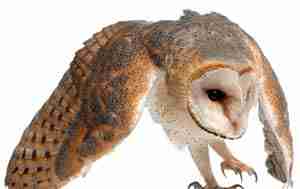
What if there was a silent guardian patrolling the fields at night, armed not with steel or poison, but with razor-sharp talons and an insatiable appetite for rodents? Meet the owl—the unassuming yet formidable ally of farmers worldwide. These nocturnal hunters don’t just grace the night sky with their haunting calls; they wage a relentless war against pests, offering a natural solution that’s as elegant as it is effective. But how exactly do these feathered sentinels transform the agricultural landscape? And what challenges do they face in their mission to keep farms thriving? Let’s dive into the captivating world of owls and uncover their pivotal role in pest control.
The Silent Symphony of the Night: How Owls Hunt
Picture this: the moon casts long shadows over a farmer’s field, and the air hums with the soft rustle of crops. Suddenly, a shadow detaches from the darkness—a barn owl, gliding with eerie grace. Its heart-shaped face acts like a satellite dish, funneling sound waves to its ears, which are offset to triangulate prey with pinpoint accuracy. In a heartbeat, the owl strikes, its talons piercing the unsuspecting rodent with lethal precision.
Owls are the epitome of efficiency. Unlike diurnal predators that rely on speed or strength, owls have evolved to exploit the cover of darkness. Their flight is nearly silent, thanks to specialized feathers that muffle the sound of their wingbeats. This stealth allows them to ambush prey before it even senses danger. A single barn owl, for instance, can consume up to 1,000 rodents in a year—each one a potential threat to crops. But their hunting prowess isn’t just about quantity; it’s about precision. Owls target the weakest links in pest populations, ensuring that the fittest don’t overrun the fields.
From Rodent Menace to Agricultural Savior: The Economic Impact
Imagine a farmer staring at a field ravaged by rats, their burrows undermining the soil and their voracious appetites devouring seeds before they sprout. The cost of chemical pesticides to combat this menace can be staggering—not just in dollars, but in environmental degradation. Enter the owl, a living, breathing alternative that slashes pest populations without the collateral damage of toxins.
Studies have shown that a single family of barn owls can save farmers thousands of dollars annually by reducing the need for rodenticides. In Malaysia, for example, farmers who installed owl nest boxes saw a 50% drop in rice losses to rats. The ripple effect is profound: fewer pests mean healthier soil, reduced crop damage, and a lower carbon footprint. Owls don’t just protect harvests; they safeguard the delicate balance of the ecosystem. Yet, their impact extends beyond the farm gate. By curbing rodent populations, owls also help prevent the spread of diseases like leptospirosis, which thrives in rodent-infested environments. It’s a domino effect of benefits, all set in motion by a creature that weighs less than a bag of sugar.
The Owl’s Habitat: Creating a Haven for Feathered Allies
But here’s the catch: owls won’t just magically appear in a field and start hunting. They need a sanctuary—a place to roost, nest, and raise their young. Without suitable habitat, even the most voracious owl will pass by, leaving pests to wreak havoc. So, how can farmers roll out the welcome mat for these nocturnal guardians?
First, consider the architecture of the farm itself. Old barns, hollow trees, and dense hedgerows are like five-star hotels for owls. If such structures are absent, nest boxes can be a game-changer. These man-made abodes mimic natural cavities and are readily adopted by species like barn owls and screech owls. Placing them at least 10 feet off the ground, away from human activity, increases the chances of occupancy. Additionally, maintaining patches of undisturbed vegetation provides cover for hunting and nesting. Even a small woodlot or a cluster of shrubs can make a difference.
Water sources are another magnet for owls. A shallow pond or even a birdbath can attract them, especially during dry spells. And let’s not forget the importance of avoiding pesticides. Owls are at the top of the food chain, and toxins accumulate in their systems over time. By embracing organic farming practices, farmers not only protect their crops but also ensure that their owl allies remain healthy and effective.
The Unseen Challenges: Threats to Owl Populations
Yet, the path to a pest-free farm isn’t without its obstacles. Owls face a gauntlet of challenges that threaten their survival—and, by extension, the farms that rely on them. Habitat loss is the most glaring issue. As urban sprawl encroaches on rural landscapes, natural nesting sites vanish. Deforestation and intensive agriculture leave owls with fewer places to call home, forcing them into fragmented territories where food and shelter are scarce.
Then there’s the specter of rodenticides. While owls are champions of natural pest control, they’re also victims of their own success. Rodent poisons don’t just kill rats—they poison owls too. Secondary poisoning occurs when owls consume rodents that have ingested anticoagulant rodenticides. The toxins accumulate in the owl’s system, leading to fatal hemorrhaging. In some regions, up to 80% of barn owl deaths are linked to rodenticides. It’s a cruel irony: the very chemicals meant to protect crops end up sabotaging the natural solution.
Climate change adds another layer of complexity. Shifts in temperature and precipitation patterns can disrupt the delicate balance between owls and their prey. A sudden freeze might wipe out a rodent population, leaving owls without a food source. Conversely, unseasonal warmth can cause pests to proliferate, overwhelming even the most skilled hunters. Farmers must adapt to these changes, ensuring that their owl allies have the resources they need to weather the storm.
Beyond Rodents: The Multifaceted Role of Owls in Agriculture
While rodents are the primary target, owls don’t discriminate when it comes to pests. Insects, snakes, and even other birds fall prey to their relentless hunting. This versatility makes them invaluable in integrated pest management (IPM) strategies. For instance, great horned owls are known to prey on insects like grasshoppers and beetles, which can devastate crops if left unchecked. By diversifying their diet, owls contribute to a more balanced ecosystem, reducing the need for chemical interventions across multiple fronts.
Owls also play a role in seed dispersal. While they’re not the primary agents, they occasionally transport seeds in their digestive tracts or by carrying prey to their nests. This unintentional service helps maintain plant diversity, which is crucial for soil health and resilience. In some cases, owls even control populations of invasive species, acting as natural regulators of ecological imbalances.
Moreover, the presence of owls can deter other pests. The mere sight or sound of an owl can send smaller birds and mammals scurrying, reducing crop damage without a single talon being raised. It’s a psychological warfare tactic that owls have mastered over millennia, turning fear into an ally for farmers.
Fostering a Symbiotic Relationship: Tips for Farmers
So, how can farmers cultivate a thriving partnership with owls? The key lies in creating an environment where these birds feel safe, nourished, and motivated to stick around. Start by conducting a habitat audit. Identify areas where owls might nest or hunt, and enhance them with native plants, water sources, and perches. If natural cavities are scarce, install nest boxes and monitor them regularly to ensure they’re occupied.
Educate yourself and your community about the benefits of owls. Dispel myths—owls are not harbingers of doom but guardians of the harvest. Encourage neighbors to adopt similar practices, creating a network of owl-friendly habitats that span entire regions. This collective effort amplifies the impact, turning individual farms into sanctuaries for these feathered allies.
Finally, track the results. Keep records of pest populations before and after introducing owl-friendly measures. Observe owl activity and nesting patterns. Over time, you’ll gain insights into their behavior and effectiveness, allowing you to refine your approach. It’s a journey of discovery, where every owl sighting is a testament to the power of nature’s solutions.
The Future of Farming: A Feathered Revolution
As the world grapples with the dual crises of food security and environmental degradation, the role of owls in agriculture takes on new significance. They represent a paradigm shift—a move away from chemical dependency and toward sustainable, nature-based solutions. But this revolution isn’t just about owls; it’s about reimagining our relationship with the land and its creatures.
Imagine a future where farms are teeming with life, where the night air is filled with the calls of owls instead of the hum of pesticides. A future where farmers and wildlife coexist in harmony, each playing a vital role in the ecosystem. It’s not a utopian fantasy; it’s a tangible reality, one that’s already unfolding in fields around the globe.
So, the next time you hear the haunting hoot of an owl, listen closely. It’s not just a sound—it’s a promise. A promise of balance, of resilience, and of the quiet power of nature’s own pest control experts. The question isn’t whether owls can save our farms; it’s whether we’re willing to give them the chance.