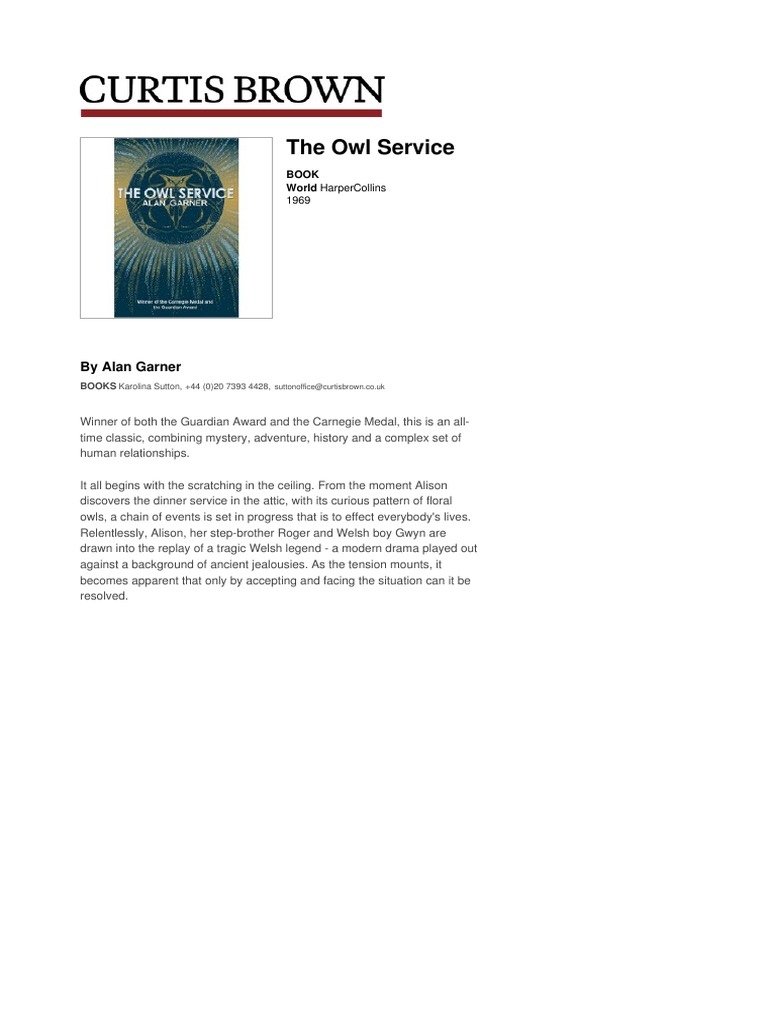
Alan Garner’s “The Owl Service,” published in 1967, remains a seminal work of young adult literature, garnering critical acclaim for its potent blend of ancient Welsh mythology and contemporary social commentary. The novel transcends mere storytelling, acting as a complex tapestry woven with intricate symbolism and allegorical threads that resonate deeply with readers. This exploration delves into the novel’s intricate layers, dissecting its key themes and literary devices to illuminate the enduring appeal of Garner’s masterpiece.
The narrative orbits around the disruptive presence of a dinner service adorned with an owl pattern. This seemingly innocuous object serves as a catalyst, unleashing a cyclical curse rooted in a tragic love triangle from Welsh legend. Gwyn, Alison, and Roger, the trio at the heart of the modern-day drama, unwittingly reenact the roles of Lleu, Blodeuwedd, and Gronw from the Mabinogion. Alison’s instinctive impulse to trace the owl patterns on the plates, transforming them into paper owls, sparks the unleashing of primal energies that reverberate throughout the valley.
Garner masterfully interweaves the present and the past, creating a palpable sense of predestination looming over the characters. The modern setting, with its undercurrents of class conflict and adolescent angst, is seamlessly juxtaposed with the ancient myth, amplifying the sense of timelessness that permeates the narrative. The valley itself becomes a character, imbued with a mystical aura that both traps and defines the lives of its inhabitants. The landscape echoes the emotional turmoil of the characters, reflecting their internal struggles and anxieties.
One of the most compelling aspects of “The Owl Service” is its utilization of metaphor. The owls themselves function as a multifaceted symbol, representing not only the mythological figure of Blodeuwedd, but also themes of transformation, entrapment, and the destructive nature of unchecked desire. The act of tracing the owls becomes a metaphor for unleashing suppressed emotions and confronting buried secrets. The owl service is a tangible manifestation of the past’s grip on the present.
The portrayal of adolescence is another key element contributing to the novel’s enduring appeal. Garner deftly captures the volatile emotions and inherent insecurities of teenagers grappling with identity formation and social dynamics. Gwyn’s working-class background contrasts sharply with Alison’s privileged upbringing, creating a breeding ground for tension and misunderstanding. Roger, caught in the crossfire, struggles to assert himself, becoming a pawn in the unfolding drama.
The theme of female agency, or rather the lack thereof, is also prominently featured. Blodeuwedd, both in the original myth and in her modern incarnation through Alison, is depicted as a figure controlled by the desires and actions of men. Her transformation into an owl symbolizes her objectification and loss of autonomy. However, the novel also hints at the potential for female empowerment, suggesting that Alison has the potential to break free from the cyclical pattern of the curse and assert her own agency.
The language employed by Garner is both evocative and precise. He masterfully utilizes dialect and vernacular speech to ground the narrative in a specific time and place. The dialogue crackles with authenticity, capturing the nuances of adolescent conversation and the subtle power dynamics at play. The descriptions of the Welsh landscape are equally vivid, painting a picture of a world both beautiful and menacing. Each sentence is carefully crafted, contributing to the overall sense of unease and anticipation.
Furthermore, the cyclical nature of the narrative emphasizes the inevitability of fate. The characters are seemingly trapped in a preordained pattern of events, destined to repeat the mistakes of the past. This sense of predestination creates a palpable tension, forcing the reader to question the extent to which free will truly exists. Are the characters simply puppets controlled by ancient forces, or do they possess the power to alter their own destinies?
The ambiguous ending of “The Owl Service” further contributes to its enduring appeal. While the immediate crisis appears to be resolved, the novel leaves the reader pondering the long-term implications of the events that have transpired. Has the curse truly been broken, or is it merely lying dormant, waiting to be unleashed once more? This lack of resolution encourages readers to engage with the text on a deeper level, prompting them to draw their own conclusions about the fate of the characters and the ultimate meaning of the story.
In conclusion, “The Owl Service” is a literary tour de force that continues to captivate readers with its potent blend of mythology, social commentary, and psychological insight. Garner’s masterful use of symbolism, metaphor, and language elevates the novel beyond the realm of mere entertainment, transforming it into a profound meditation on the enduring power of the past and the complexities of human relationships. Its unique appeal lies in its ability to resonate with readers of all ages, prompting them to contemplate the universal themes of love, loss, and the search for identity.