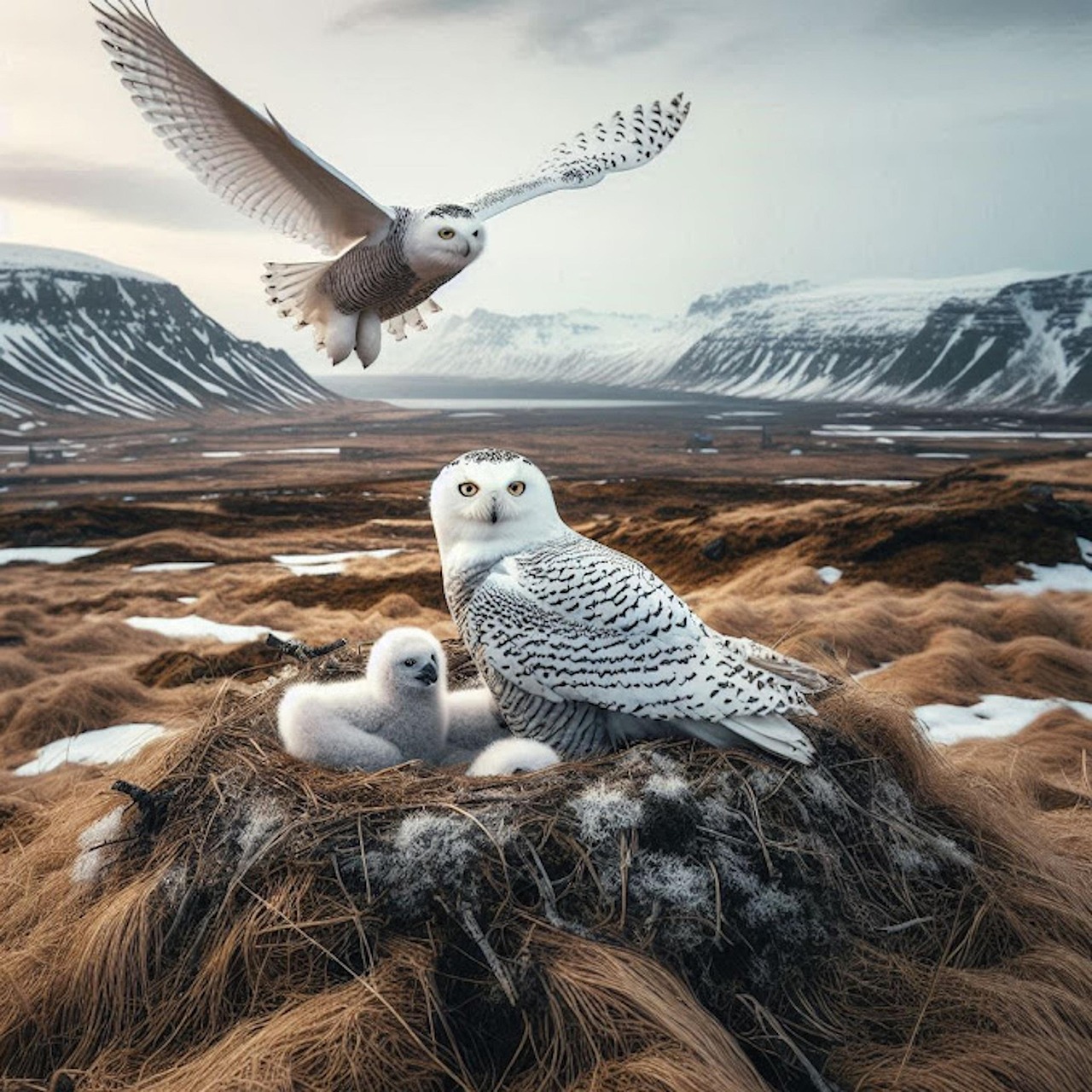
Imagine the ethereal presence of snowy owls gracing the skies above your property, their ghostly white feathers blending with the wintry horizon, a living testament to nature’s quiet grandeur. The allure of these majestic birds, with their piercing yellow eyes and silent flight, has captivated bird enthusiasts and nature lovers alike for centuries. Yet, attracting snowy owls to your area requires more than mere admiration—it demands an intimate understanding of their habitat desires and a heartfelt commitment to nurturing their sanctuary. This pursuit promises a profound shift in perspective, inviting you to become an active steward in the delicate dance between species and environment.
Understanding the Elusive Nature of Snowy Owls
Snowy owls (Bubo scandiacus) are not just any birds of prey—they embody the stark beauty and resilience of the Arctic tundra. Their natural habitat spans vast, treeless plains where they perch and hunt with unparalleled vigilance. Unlike many other owls, snowy owls are diurnal, often seen during daylight hours, which makes their presence uniquely remarkable. Understanding these intrinsic behavioral traits is crucial to enticing them into your region. Their affinity for open landscapes, ample prey populations, and minimal human disturbance sets the stage for your environmental design efforts.
Crafting Optimal Habitats: Replicating the Arctic Experience
Attracting snowy owls requires more than planting a few trees or setting out a bird feeder—it demands intentional habitat creation that mirrors their natural surroundings. The essence of their environment is spaciousness combined with unobstructed sightlines for hunting. Begin by fostering an open-area ecosystem: expansive lawns, fields, or wetlands that encourage small mammals like voles and lemmings, their primary prey. Maintaining low shrubbery and avoiding dense forests ensures that snowy owls have the panoramic visibility they instinctively seek.
Introducing native grasses and forbs adds a layer of ecological authenticity. These plants not only sustain prey populations but also signal a healthy, balanced habitat—an inviting frontier rather than a mere backyard. It’s a subtle yet profound transformation from cultivated landscapes to wild sanctuaries, urging both owl and observer to embrace a deeper, shared connection with the land.
The Art and Science of Nest Box Installation
While snowy owls traditionally nest on the ground amidst tundra grasses and low-lying permafrost mounds, human-facilitated nest boxes have proven effective in certain regions to encourage breeding and residency. Designing and situating these nest boxes requires careful calculation, balancing mimicry of natural sites with protection from predators and adverse weather.
First, opt for wide, shallow platforms rather than enclosed boxes, which more closely replicate the open ground nests. These platforms should be elevated just slightly to prevent flooding yet remain accessible to the owls. Materials like untreated wood provide a safe, non-toxic environment that withstands the elements. Placement is pivotal: position these platforms in exposed, spacious areas with limited human traffic, ideally near established hunting grounds.
Keep in mind seasonal timing—install nest boxes in late autumn or early winter to coincide with the owls’ preparation for the breeding season. The presence of these structures not only offers shelter but also signals to the owls that your landscape is a viable nesting territory, inherently increasing the likelihood of occupation and raising opportunities for observation and study.
Fostering a Thriving Prey Base: The Foundation of Attraction
Snowy owls’ hunting success is intimately tied to the availability of prey, predominantly small mammals such as voles, mice, and rabbits. Without this fundamental resource, the best habitat and nest boxes remain unoccupied. Therefore, cultivating a robust prey population is arguably the most critical aspect of attracting snowy owls.
Encourage biodiversity by maintaining a mosaic of habitats that support small mammal communities: patches of tall grass, brush piles, and mixed vegetation promote nesting, foraging, and cover for these creatures. Avoid overzealous pest control or the overuse of pesticides that could decimate their numbers and disrupt the food web. Additionally, water sources such as ponds or wetlands can further enhance habitat quality, providing hydration and attracting insects and amphibians indirectly supporting the prey chain.
This deliberately engineered ecosystem reflects a nuanced understanding of the delicate balances within nature—where every element plays an indispensable role in sustaining life’s continuity.
Mitigating Human Disturbance: Creating Safe Havens
Snowy owls cherish solitude and unobstructed sightlines, making human disturbance one of the greatest deterrents to their presence. While complete exclusion may be impractical, minimizing disruption is essential to forming a hospitable environment. Limiting vehicular traffic, reducing loud noises, and controlling pet activity—especially cats and dogs—are vital steps in establishing a sanctuary that encourages snowy owls to linger.
Designate quiet zones around nest sites and favorite hunting perches. Use signage or fencing if necessary to remind visitors of the sensitive nature of these areas. Furthermore, avoid artificial lighting at night; many nocturnal species’ behaviors are disrupted by light pollution, indirectly affecting snowy owls’ hunting success and comfort.
Remember, the invitation extended to these magnificent birds carries with it a responsibility to respect their space and rhythms, cultivating mutual coexistence rather than interference.
Patience and Persistence: Embracing the Journey
Attracting snowy owls is a sublime endeavor demanding patient stewardship over months and even years. The payoff transcends mere birdwatching; it fosters a transformative relationship between human and wildlife, igniting a deeper respect for ecological interdependence. Every effort—whether planting native flora, setting up nest boxes, or nurturing prey populations—is a thread woven into this unfolding tapestry of life.
Do not be discouraged by initial absence; these owls are inherently nomadic, their presence fluctuating with prey abundance and climatic conditions. Yet, steadfast dedication to providing optimal conditions exponentially increases your chances of witnessing their serene majesty.
In inviting snowy owls into your domain, you become part of a larger narrative—one where conservation, curiosity, and reverence converge to celebrate the wild wonders that enrich our world.