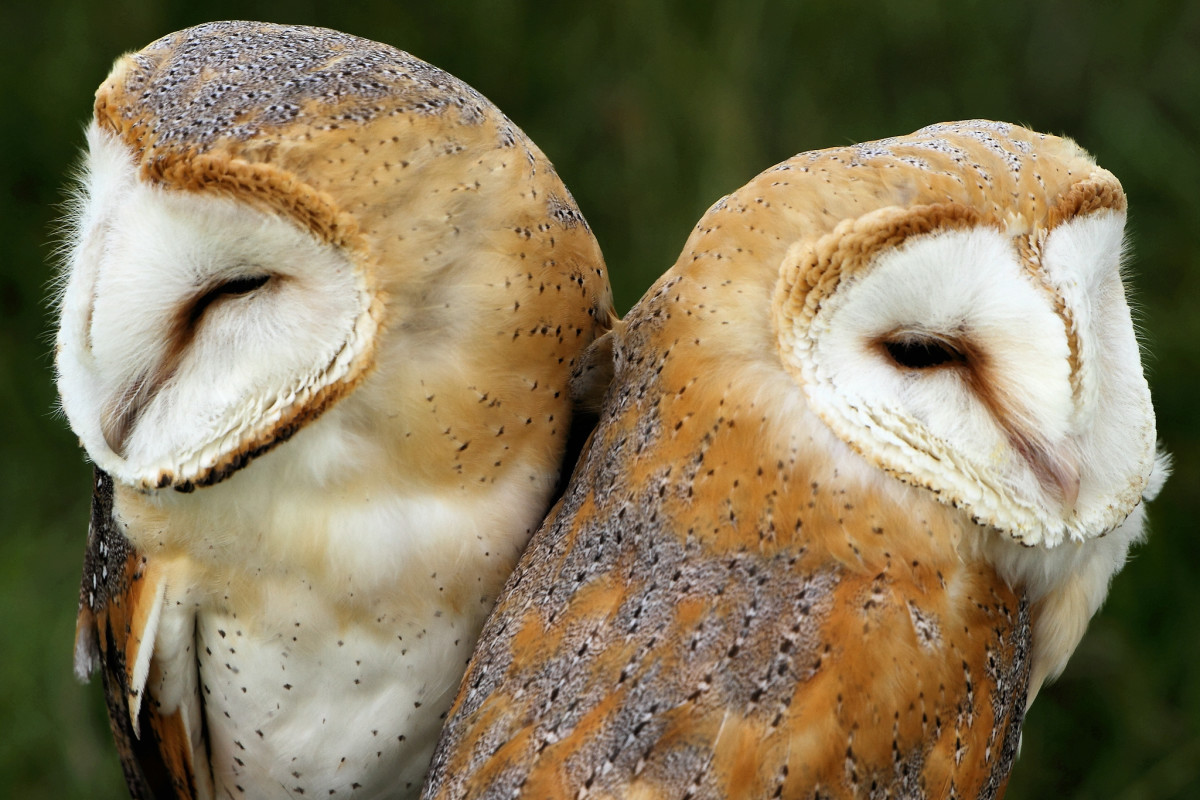
The night whispers secrets through the rustle of leaves and the hoot of an owl. In Japan, the fukurō—owl—is not merely a bird of the dark but a living emblem of wisdom, mystery, and the unspoken. Its presence in folklore, art, and daily life transcends mere ornithology; it is a cultural cipher, a silent witness to the ebb and flow of human emotion. To understand the fukurō is to peer into the heart of a society that reveres the unseen, the intuitive, and the profound. This nocturnal creature, with its unblinking gaze and feathered cloak, embodies contradictions: it is both protector and omen, sage and specter. Its fascination lies not in its biology alone, but in what it represents—a bridge between the tangible and the ethereal, the rational and the mystical.
The Owl as Keeper of Forbidden Knowledge
In the annals of Japanese mythology, the fukurō is often cast as a guardian of esoteric wisdom. The bird’s association with the night aligns it with the unseen realms, where secrets are whispered and prophecies are born. Legends speak of owls as messengers between the human world and the spirit domain, their hoots carrying the weight of omens. The yōkai of folklore, particularly the fukurō no sei—the spirit of the owl—is said to wander the twilight hours, dispensing cryptic advice to those deemed worthy. This role as a custodian of hidden truths is not merely fantastical; it reflects a cultural reverence for intuition over brute logic. In a society where Confucian scholarship once dictated the boundaries of acceptable thought, the owl emerged as a subversive symbol—one that validated the power of instinct and the validity of the unspoken.
The owl’s nocturnal nature further cements its connection to the arcane. Night, in Japanese cosmology, is not merely the absence of light but a liminal space where the veil between worlds thins. The fukurō, with its silent flight and piercing gaze, becomes a sentinel in this twilight zone. Its ability to navigate darkness without faltering mirrors the human capacity to perceive truths beyond the obvious. This duality—of being both feared and revered—speaks to a deeper truth about human nature: we are drawn to what we cannot fully comprehend, and the owl, in its enigmatic silence, embodies that allure.
The Owl in Art: A Canvas of Contradictions
Japanese art has long been a mirror to the soul, and the fukurō appears in its most evocative forms. Ukiyo-e prints, for instance, often depict owls perched on gnarled branches or clutching scrolls, their eyes alight with an almost sentient knowing. These images are not mere representations; they are visual incantations, blending the sacred with the mundane. The owl’s presence in such art is rarely accidental. In the Edo period, when woodblock prints flourished, the fukurō was a recurring motif in works by artists like Hokusai and Hiroshige. Their owls were not just birds—they were symbols of resilience, endurance, and the quiet strength of those who navigate life’s shadows.
Yet, the owl’s depiction is not uniformly benevolent. In some ukiyo-e, the bird is a harbinger of misfortune, its talons clutching a severed head or its wings casting a shadow over a fleeing figure. This duality—of the owl as both guardian and harbinger—reflects the Japanese concept of mono no aware, the bittersweet awareness of life’s impermanence. The owl, in its silent vigil, becomes a reminder that wisdom often comes at a cost: the price of seeing what others cannot, or will not, acknowledge. This tension between reverence and fear is what makes the fukurō so compelling—it is a creature that embodies the full spectrum of human emotion, from awe to dread.
The Owl as Protector: From Temples to Households
Beyond the realm of myth and art, the fukurō has carved a niche in the practical and spiritual lives of the Japanese people. Temples, particularly those dedicated to the goddess Benzaiten, often feature owl motifs in their architecture and gardens. Benzaiten, the deity of music, eloquence, and knowledge, is sometimes depicted with an owl as her companion, symbolizing her role as a dispenser of wisdom. This association elevates the owl from a mere bird to a sacred ally, a creature whose presence wards off malevolent spirits and attracts blessings.
In rural communities, the fukurō’s reputation as a protector is equally pronounced. Farmers once hung owl effigies in their fields, believing the bird’s keen senses would deter pests and misfortune. The practice, though less common today, underscores a timeless truth: humans have always sought allies in the natural world, creatures whose strengths compensate for our weaknesses. The owl, with its silent flight and unerring aim, was the perfect sentinel—a silent guardian against the chaos of the unknown. This utilitarian reverence speaks to a deeper ecological wisdom: the recognition that all life, no matter how seemingly insignificant, plays a role in the grand tapestry of existence.
The Owl in Modern Japan: A Symbol Reclaimed
In contemporary Japan, the fukurō has undergone a renaissance of sorts. No longer confined to the shadows of folklore, it has emerged as a symbol of resilience and adaptability. The owl’s association with wisdom has been repurposed in modern branding, from educational institutions to corporate logos. The bird’s image adorns everything from stationery to smartphone cases, its wide-eyed stare a silent promise of insight and clarity. This commercialization, while sometimes criticized as trivializing, also reflects a cultural shift: the owl is no longer feared but embraced as a totem of the modern age.
Yet, this reclamation is not without its complexities. The owl’s newfound popularity raises questions about authenticity and commodification. Can a creature so deeply rooted in myth and mystery truly be reduced to a marketable logo? The answer lies in the duality of the fukurō itself. It is, after all, a creature of contradictions—a symbol of both the ancient and the contemporary, the sacred and the profane. Its ability to adapt to new contexts while retaining its essence is a testament to its enduring power. In a world that often prioritizes the tangible over the intangible, the owl reminds us that wisdom is not always found in the light of day.
The Owl’s Unspoken Legacy
The fascination with the fukurō endures because it touches on something fundamental: the human desire to understand the unknown. The owl, with its silent flight and piercing gaze, embodies the mysteries that lie just beyond our reach. It is a creature that invites us to look deeper, to question, and to embrace the beauty of the unseen. In a culture that has long balanced the rational with the mystical, the owl serves as a bridge—a reminder that wisdom is not a destination but a journey.
To study the fukurō is to study the human condition itself. It is to confront our fears, our hopes, and our unspoken truths. The owl does not speak, yet its presence speaks volumes. It is a silent teacher, a guardian of secrets, and a symbol of the enduring allure of the mysterious. In its quiet way, the fukurō teaches us that wisdom is not found in the clamor of the day, but in the stillness of the night—where the unseen becomes visible, and the impossible, possible.