The desert, a realm of stark contrasts and subtle harmonies, is often perceived as a silent expanse where life clings precariously to existence. Yet, beneath the scorching sun and shifting sands, a delicate ballet of survival unfolds—one that is increasingly choreographed by an unlikely protagonist: the elf owl. These diminutive raptors, no larger than a sparrow, are rewriting the ecological narrative of arid landscapes, their presence a testament to nature’s ingenuity. As we peel back the layers of this desert drama, we uncover how these feathered titans are not merely surviving but actively shaping the ecosystems they inhabit.
The Silent Architects of Nocturnal Life
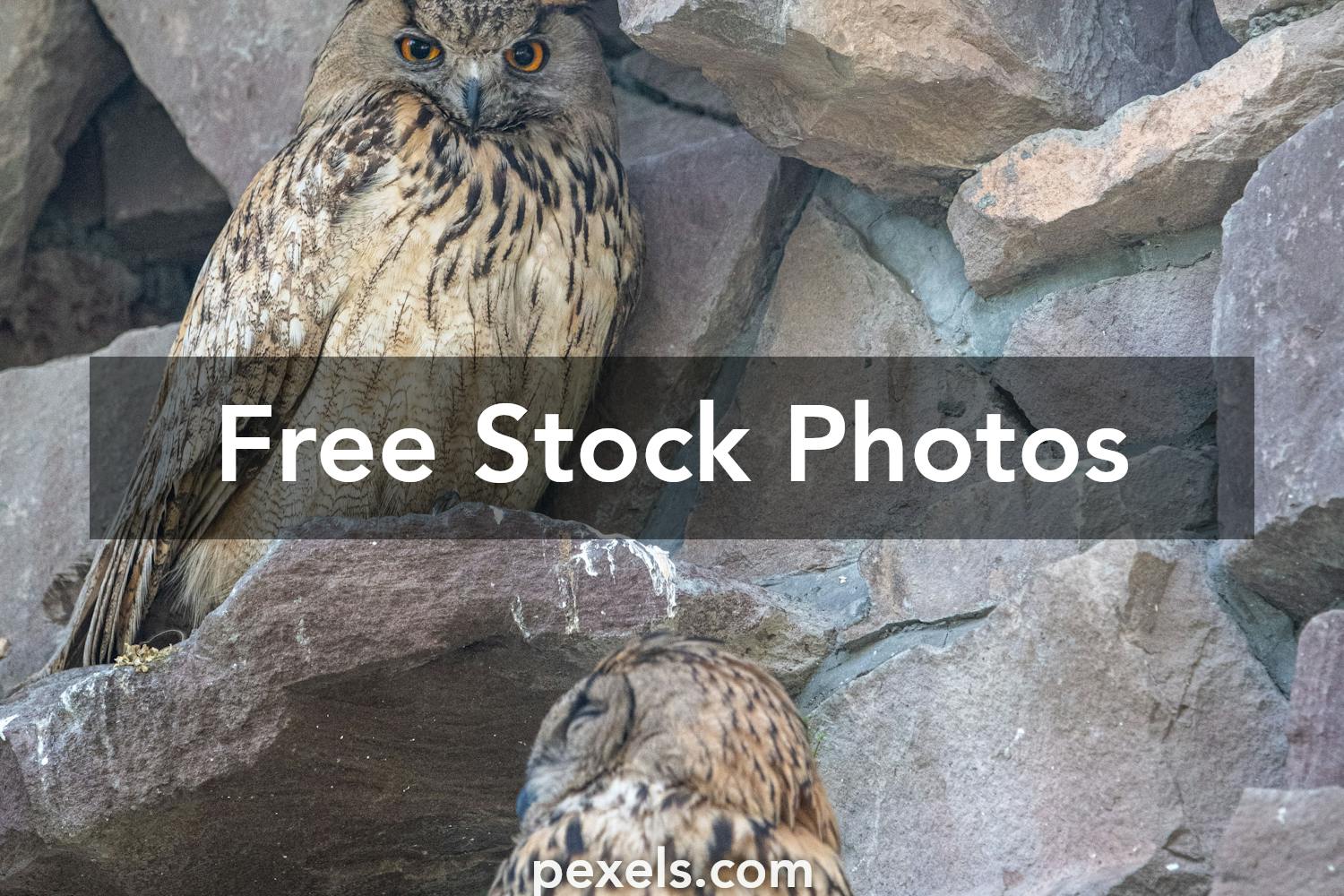
Elf owls, with their piercing amber eyes and feathered ear tufts, are the unsung engineers of desert nightscapes. Unlike their diurnal counterparts, these owls thrive in the cool embrace of darkness, where temperatures plummet and predators retreat. Their arrival in a desert ecosystem triggers a cascade of adaptations among nocturnal creatures. Rodents, lizards, and insects—once complacent in their nightly routines—now dance to the rhythm of predation risk. The mere presence of an elf owl alters foraging patterns, forcing prey to become more vigilant, more strategic. This shift in behavior ripples outward, creating a domino effect that redefines the entire food web.
Consider the kangaroo rat, a desert staple. Once a carefree forager, it now expends precious energy on evasion, its once-efficient seed-gathering expeditions now punctuated by pauses to listen for the telltale whirr of wings. The elf owl’s influence extends beyond mere predation; it fosters a culture of caution, where survival hinges on adaptability. In this way, the owl becomes a silent architect, its presence shaping the very architecture of desert life.
The Pollination Paradox: Elf Owls as Unlikely Agents
While elf owls are primarily insectivorous, their ecological footprint extends to the plant kingdom in a phenomenon as unexpected as it is vital. Desert flora, particularly cacti, rely on nocturnal pollinators like moths and bats. The elf owl’s hunting grounds often overlap with these pollinators’ territories, creating an unintended but critical synergy. As owls patrol the night, they inadvertently protect pollinators from diurnal predators, allowing these crucial agents to thrive. The result? A boost in pollination rates, which in turn ensures the reproductive success of desert plants.
This pollination paradox underscores the owl’s role as a keystone species—a linchpin in the desert’s ecological machinery. Without the elf owl, the delicate balance between flora and fauna could unravel, leaving the desert a quieter, less vibrant place. The owl’s influence, though indirect, is a reminder that even the smallest creatures can wield immense power over their environment.
Nesting Innovators: Redefining Desert Real Estate
Elf owls are not content with mere survival; they are innovators, repurposing the desert’s limited resources to carve out their niche. Unlike many birds that construct elaborate nests, elf owls are opportunistic, often commandeering abandoned woodpecker cavities or saguaro cacti. These natural hollows, once mere shelters, become bustling hubs of activity, their interiors lined with the remnants of past meals and the echoes of hatchlings.
Their choice of nesting sites has far-reaching consequences. By occupying these cavities, elf owls inadvertently create microhabitats for other species. Insects, spiders, and even small mammals find refuge in the abandoned nests, transforming a once-simple hole in a cactus into a thriving ecosystem. This nesting innovation highlights the owl’s role as a habitat engineer, its presence breathing new life into the desert’s architectural landscape.
The Shadow of Climate Change: Elf Owls as Indicators
In an era of climate upheaval, the elf owl emerges as a sentinel of desert health. Their sensitivity to environmental shifts makes them invaluable indicators of ecosystem stability. As temperatures rise and precipitation patterns fluctuate, these owls are among the first to react—either by adapting or by retreating. Their presence or absence can signal broader ecological changes, from the decline of insect populations to the encroachment of invasive species.
Conservationists are increasingly turning to elf owls as barometers of desert resilience. Their ability to thrive in harsh conditions, yet their vulnerability to human encroachment, underscores the fragility of these ecosystems. Protecting the elf owl is not just about saving a species; it is about safeguarding the intricate web of life that depends on its existence. In this light, the owl becomes a symbol of hope—a reminder that even in the most unforgiving landscapes, life finds a way.
The Cultural Tapestry: Elf Owls in Human Imagination
Beyond their ecological significance, elf owls weave themselves into the cultural fabric of the desert. Indigenous communities have long revered these birds, attributing to them wisdom and mystery. Their haunting calls, echoing through the night, are woven into myths and legends, serving as omens or guides. Even in modern times, the elf owl captivates the human imagination, its diminutive stature belying its outsized influence.
This cultural connection is not merely symbolic; it shapes human behavior, too. The presence of elf owls in folklore has, in some cases, led to greater conservation efforts, as communities seek to protect creatures they hold in high regard. The owl’s dual role—as both ecological keystone and cultural icon—highlights the interconnectedness of all life, human and wild alike.
A Call to Wonder: The Future of Desert Ecosystems
The story of the elf owl is, at its core, a story of resilience and interdependence. In a world where deserts are often dismissed as barren wastelands, these tiny raptors reveal a hidden richness—a world teeming with life, shaped by the delicate balance of predation, adaptation, and innovation. Their influence is a testament to the power of small creatures to drive monumental change.
As we stand on the precipice of environmental uncertainty, the elf owl offers a lesson in hope. It reminds us that even in the harshest of landscapes, life persists, adapts, and thrives. By understanding and protecting these feathered architects, we do more than preserve a species; we safeguard the very essence of the desert—a place of wonder, resilience, and endless possibility.