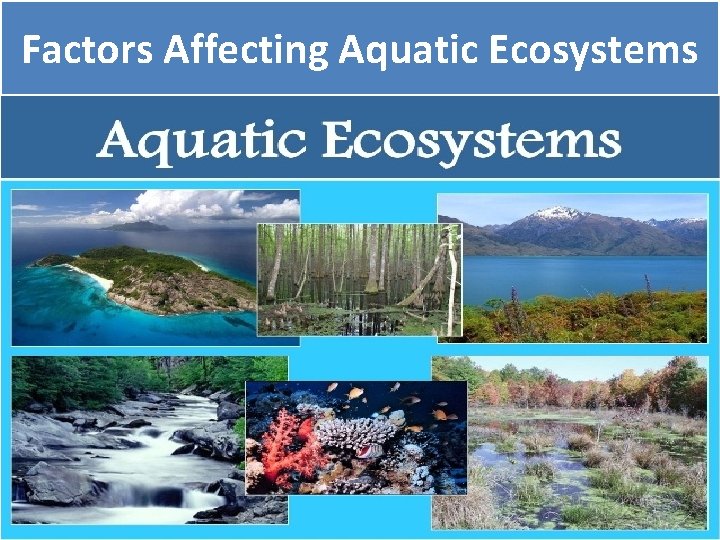
Have you ever paused to consider the silent sentinels of the night sky, those feathered enigmas that glide through the darkness with an almost supernatural grace? Owls, those nocturnal hunters, are often celebrated for their role in controlling rodent populations or their haunting calls that echo through the woods. But what if I told you that these majestic birds might have a far more intricate relationship with our aquatic ecosystems than we’ve ever imagined? What if their presence—or absence—could ripple through wetlands, rivers, and lakes in ways that challenge our understanding of ecological balance? Let’s embark on a journey to uncover the hidden threads connecting owls to the watery realms they rarely touch, and explore how their existence might be subtly shaping the health of our most vital ecosystems.
The Unseen Web: How Owls Influence Rodent Populations Near Waterways
Picture this: a serene marshland at dusk, where frogs chorus and dragonflies dart over the water’s surface. Nestled in the reeds or perched on gnarled branches, owls patrol the edges of these aquatic havens. Their primary prey? Rodents—mice, voles, and rats that thrive in the lush vegetation bordering water bodies. By keeping these populations in check, owls prevent overgrazing on delicate wetland plants, which in turn maintains the structural integrity of the ecosystem. A single barn owl, for instance, can consume thousands of rodents in a year, reducing the pressure on plants that stabilize shorelines and filter pollutants. Without owls, these rodents might overpopulate, leading to erosion and the collapse of critical habitats for amphibians and insects. The owl’s role here is not just that of a predator but as an unsung architect of ecological resilience.
The Ripple Effect: How Rodent Control Shapes Aquatic Food Chains
But the story doesn’t end with plants. When owls curb rodent numbers, they indirectly protect the insects that rodents would otherwise devour. Consider the mayfly larvae that cling to submerged rocks or the caddisfly cases that adorn stream beds. These insects are the foundation of aquatic food webs, serving as sustenance for fish, amphibians, and even birds. A decline in rodent populations means more insects survive to adulthood, boosting the food supply for aquatic species. This, in turn, supports larger predators like fish-eating birds and otters. Owls, then, become the invisible hand that sustains a delicate balance, ensuring that the ripple of their predation extends far beyond the rodents they consume. It’s a testament to the interconnectedness of nature, where a single species can hold the threads of an entire ecosystem together.
The Shadow of the Owl: Fear and Its Ecological Consequences
Yet, nature is never one-dimensional. The presence of owls doesn’t just reduce rodent numbers—it alters behavior. Rodents, ever vigilant, may avoid areas where owls are active, leading to shifts in their foraging patterns. This behavioral change can have cascading effects. For example, in wetlands where owls hunt, rodents might retreat to denser vegetation, inadvertently protecting the very plants that owls help preserve. However, this fear-driven redistribution can also lead to overconsumption of certain plant species in safer areas, creating patches of overgrazed land. The owl’s shadow, then, is a double-edged sword—necessary for balance but capable of disrupting the status quo in unexpected ways. It’s a reminder that even the most beneficial predators can introduce challenges that demand our attention.
The Night Shift: Owls and the Nocturnal Dance of Aquatic Life
Owls are creatures of the night, and their activity peaks when most aquatic life is dormant. Yet, their influence extends into the twilight hours, a time when many aquatic species are most vulnerable. Take, for instance, the eggs of frogs and salamanders, laid in shallow waters where they are exposed to predators. With fewer rodents scurrying through the underbrush, these eggs face less risk of being trampled or dug up. Similarly, the larvae of aquatic insects, which often emerge at night to avoid daytime predators, benefit from the reduced competition for resources. Owls, by curbing rodent populations, create a safer nocturnal environment for these delicate life stages. It’s a nocturnal ballet, where the owl’s presence choreographs a performance of survival that plays out in the quiet hours of the night.
The Silent Threat: How Habitat Loss Affects Owls and Aquatic Ecosystems
But what happens when the owls themselves are threatened? Habitat loss, driven by urbanization and agriculture, is pushing owl populations to the brink in many regions. As wetlands are drained and forests are fragmented, owls lose their hunting grounds, and their ability to regulate rodent populations diminishes. The consequences are dire. Without owls, rodent populations can explode, leading to overgrazing of wetland plants, soil erosion, and the collapse of aquatic habitats. The loss of a single owl species can unravel years of ecological balance, demonstrating how deeply intertwined these systems truly are. It’s a stark reminder that the fate of owls is not just their own—it’s a barometer for the health of the ecosystems they inhabit.
The Uncharted Territory: Owls, Climate Change, and Aquatic Resilience
Now, consider the looming specter of climate change. As temperatures rise and weather patterns shift, aquatic ecosystems are among the first to feel the strain. Droughts, floods, and rising water temperatures can disrupt the delicate balance that owls help maintain. For instance, in drought-prone areas, wetlands shrink, forcing rodents to concentrate in smaller spaces. Owls, drawn to these concentrated food sources, may increase their hunting efforts, but the stress on the ecosystem grows. Conversely, in flood-prone regions, the influx of water can drown rodent burrows, reducing their numbers naturally—but also disrupting owl hunting grounds. The interplay between climate change and owl populations is a puzzle we are only beginning to solve, and it poses a challenge that demands innovative solutions.
The Call to Action: Protecting Owls for the Sake of Our Waterways
So, what can we do to ensure that owls continue to play their vital role in aquatic ecosystems? The answer lies in conservation. Protecting owl habitats—whether through reforestation, wetland restoration, or the creation of wildlife corridors—is essential. But it’s not just about owls. It’s about recognizing the intricate web of life that connects them to the waterways we depend on. Every owl saved is a step toward healthier wetlands, cleaner rivers, and more resilient ecosystems. It’s a call to action that transcends the boundaries of species and habitats, urging us to see the bigger picture. The next time you hear the haunting call of an owl on a quiet night, remember: its presence is not just a sound. It’s a promise—a promise of balance, resilience, and the quiet strength of nature’s interconnected web.