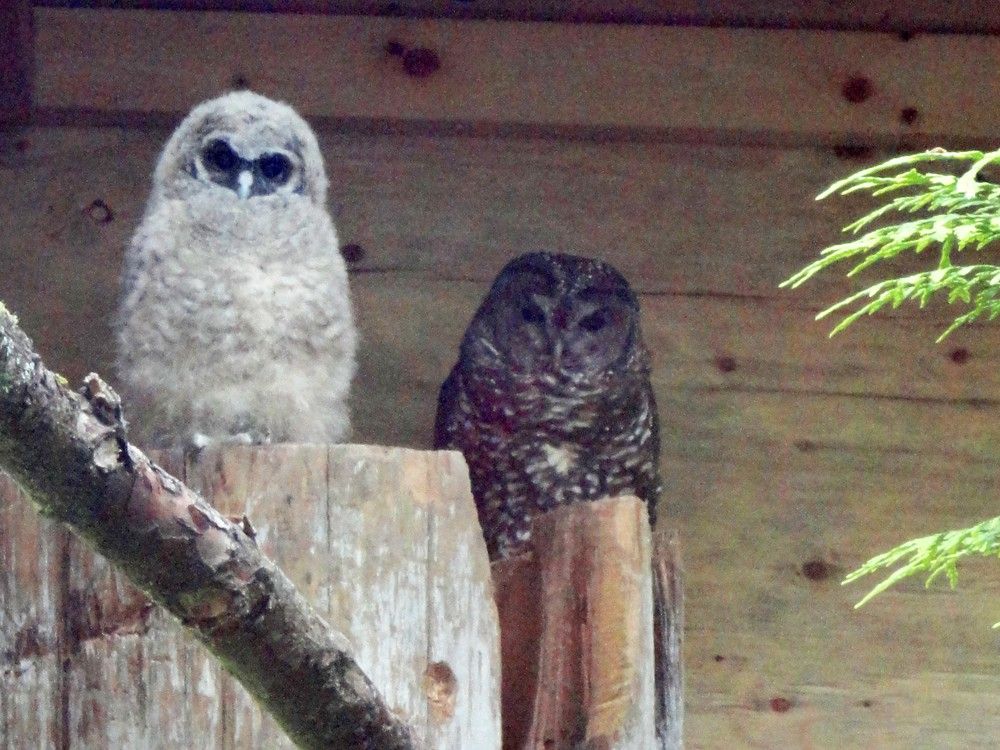
In the emerald embrace of the Pacific Northwest, where ancient forests whisper secrets to the wind, the spotted owl stands as a sentinel of ecological fragility. Its haunting calls echo through the canopy, a poignant reminder of nature’s delicate balance—and humanity’s role in either preserving or erasing it. Yet, the fate of this elusive bird is not merely a conservationist’s dilemma; it is a litmus test for how communities, particularly local businesses, can become stewards of the wild. Engaging these enterprises in spotted owl protection isn’t just about compliance or corporate social responsibility—it’s about weaving a new narrative where profit and preservation coexist in harmony. Here’s how to ignite that transformation.
The Moral Imperative: Why Local Businesses Must Answer the Call
Spotted owls are more than just charismatic megafauna; they are keystone species, their survival intricately tied to the health of old-growth ecosystems. When a local café sources its coffee beans from farms that encroach on owl habitats, or a logging company clears ancient cedars without regard for nesting sites, the ripple effects extend far beyond the forest floor. Soil erosion, disrupted water cycles, and the collapse of biodiversity are not abstract concerns—they are tangible threats to the very communities that depend on these lands. For local businesses, the choice is stark: participate in the erosion of their own ecological foundations or become architects of resilience. The moral imperative is clear, but it must be framed not as guilt or obligation, but as an opportunity to redefine prosperity. When businesses recognize that their long-term viability is tethered to the health of the land, the conversation shifts from extraction to stewardship.
Educational Campaigns: Turning Awareness into Action
Knowledge is the first spark of change. Local businesses won’t rally behind owl protection if they don’t understand its relevance to their operations. Hosting workshops in collaboration with ecologists, Indigenous knowledge keepers, and conservationists can illuminate the owl’s plight in vivid detail. Imagine a brewery hosting a “Hoppy for Habitat” event, where scientists explain how clear-cut logging upstream affects water quality—and thus, the hops used in their signature IPA. Or a hardware store offering a “Sustainable Building” seminar, tying owl-friendly forestry practices to the lumber they sell. These aren’t dry lectures; they’re narratives that connect the owl’s survival to the daily lives of business owners. Visual storytelling, too, can be powerful—time-lapse videos of forest regeneration, or infographics showing the economic benefits of ecotourism centered around owl habitats. When businesses see the owl not as a distant symbol, but as a neighbor whose fate is intertwined with theirs, inertia gives way to advocacy.
Incentives and Partnerships: Rewarding Stewardship
Human nature responds to carrots as much as sticks. Local governments and conservation groups can design incentive programs that make owl protection financially attractive. Tax breaks for businesses that adopt sustainable forestry practices, grants for eco-certifications, or preferential contracts for those who commit to habitat-friendly operations—these are not handouts, but investments in a shared future. Consider a partnership between a boutique hotel and a nearby owl monitoring program: the hotel could offer “Owl Watch” packages, where guests pay a premium to fund conservation efforts, with proceeds directly supporting habitat restoration. Meanwhile, the hotel gains a unique selling point—a story of ecological responsibility that resonates with travelers. Even small gestures, like a restaurant featuring a “Spotted Owl Stewardship” menu item where a portion of proceeds goes to local conservation, can galvanize community-wide participation. The key is to make protection feel like an opportunity, not a sacrifice.
Supply Chain Transparency: The Power of Ethical Sourcing
Every product on a business’s shelves or in its inventory has a backstory—a trail of environmental and social consequences. Local businesses can leverage their purchasing power to demand transparency from suppliers. A bookstore, for instance, might refuse to stock paper products from mills linked to deforestation, instead opting for FSC-certified alternatives. A florist could source greenery from farms that avoid pesticides harmful to owls. This isn’t about boycotts; it’s about creating demand for ethical alternatives. Businesses can collaborate with suppliers to trace the origins of their materials, ensuring that every transaction supports—not undermines—the owl’s habitat. When consumers see a “Spotted Owl Approved” label on a product, they become part of the movement, too. Supply chains, then, become not just economic pipelines, but conduits of conservation.
Community-Led Conservation: Building a Culture of Care
Protection efforts thrive when they are rooted in community. Local businesses can spearhead initiatives that invite residents to participate in owl conservation, fostering a sense of collective ownership. A hardware store might organize monthly “Habitat Restoration Days,” where volunteers plant native trees and install owl boxes under expert guidance. A café could host “Owl Ambassadors” programs for schoolchildren, teaching the next generation about the bird’s ecological role. Even something as simple as a “Spotted Owl Spotter” app, developed in partnership with a tech startup, can turn passive observers into active participants. When businesses become hubs for conservation, they transform from mere economic entities into pillars of civic pride. The message is clear: protecting the owl isn’t a task for distant agencies; it’s a communal responsibility, and everyone has a role to play.
Policy Advocacy: Amplifying Voices for Systemic Change
While individual actions matter, systemic change requires collective pressure. Local businesses, with their deep roots in the community, are uniquely positioned to advocate for policies that protect spotted owl habitats. Chambers of commerce can pass resolutions supporting old-growth conservation. Retailers can join forces to lobby for stricter logging regulations. Restaurants can refuse to serve game meat sourced from clear-cut areas. By aligning their economic interests with environmental justice, businesses can wield influence far beyond their storefronts. This isn’t about politics as usual; it’s about recognizing that the owl’s survival is a non-negotiable prerequisite for a thriving local economy. When businesses speak with one voice, policymakers listen—and the forests listen back.
Measuring Impact: Celebrating Progress and Adjusting Course
Change is a journey, not a destination. To sustain momentum, businesses need to track their contributions and celebrate milestones. A dashboard in a town hall could display real-time data on habitat restoration, owl sightings, and economic benefits tied to conservation efforts. A “Green Business of the Year” award, sponsored by local enterprises, could spotlight those making the most significant strides. Even failures should be treated as learning opportunities—what worked, what didn’t, and how to adapt. Transparency builds trust, and trust fuels further action. When businesses see the tangible results of their efforts, they’re more likely to double down, innovate, and inspire others to join the cause.
The spotted owl’s fate is not sealed. It is a story still being written, and the ink is in the hands of those who choose to act. Local businesses, with their creativity, resources, and community ties, hold the pen. The question is no longer whether they can afford to protect the owl—but whether they can afford not to. The forests are listening. The owls are waiting. The time to answer is now.