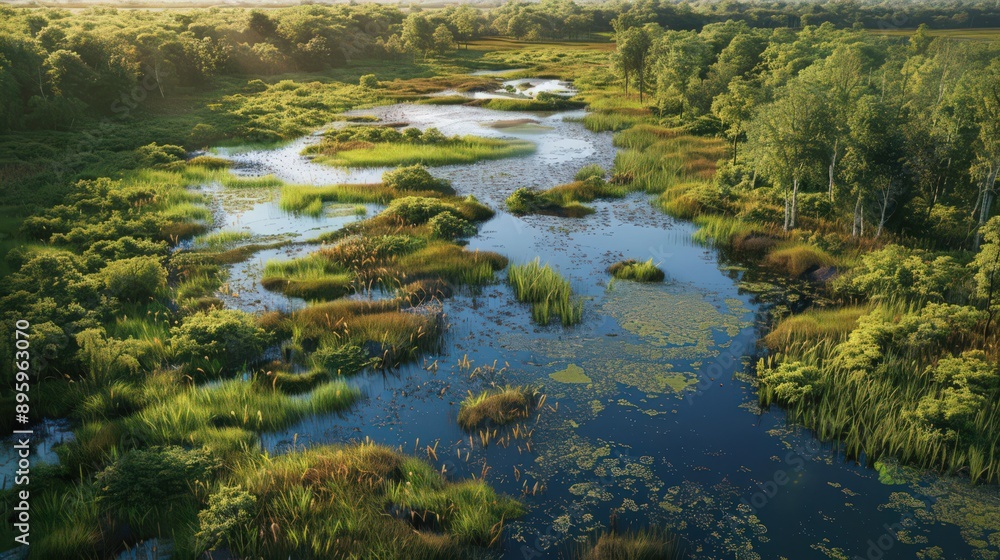
The haunting trill of an owl piercing the mist-laden dawn over a marsh is not merely a sound—it is a symphony of survival, a testament to the resilience of ecosystems teetering on the edge of oblivion. Wetlands, those oft-misunderstood and frequently drained landscapes, are the unsung cradles of biodiversity, where the interplay of water and land births life in its most exuberant forms. Among their most enigmatic inhabitants are owls, those nocturnal sentinels whose presence or absence can herald the health—or the hemorrhaging—of these vital habitats. To champion owl conservation in wetlands is to defend the very pulse of these waterlogged worlds, where every ripple on the surface tells a story of interdependence, and every rustle in the reeds whispers of an ancient pact between predator and prey.
The Ecological Tapestry: Why Wetlands Are the World’s Most Vital—and Most Threatened—Habitats
Wetlands are not mere soggy patches of earth; they are the Earth’s kidneys, filtering pollutants, buffering floods, and sequestering carbon with a voracity that puts even the most advanced human technologies to shame. Marshes, with their open waters and emergent vegetation, and swamps, their denser, wooded counterparts, are the dynamic interfaces where terrestrial and aquatic realms collide in a dance of creation and decay. These ecosystems are biodiversity hotspots, hosting a disproportionate share of the planet’s species despite covering a mere 6% of its surface. For owls, wetlands are not just hunting grounds—they are entire lifelines. The barred owl, for instance, thrives in the labyrinthine waterways of North American swamps, where the dense canopy and abundant prey—from frogs to fish to small mammals—create a buffet tailor-made for its nocturnal prowess. Yet, these very wetlands are vanishing at an alarming rate, drained for agriculture, choked by invasive species, or smothered under the weight of urban sprawl. The loss of these habitats doesn’t just erase owls; it unravels the ecological fabric, leaving behind a silence where there should be a chorus.
The Owl as Indicator: A Feathered Barometer of Wetland Health
Owls are more than charismatic creatures of the night; they are bioindicators, their presence or absence a litmus test for the vitality of their surroundings. The snowy owl, a denizen of Arctic wetlands, serves as a sentinel for climate shifts, its migration patterns and breeding success tied to the ebb and flow of sea ice and permafrost. Meanwhile, the elusive short-eared owl, a grassland specialist that often overlaps with wetland edges, is a harbinger of habitat fragmentation, its declining numbers a red flag for conservationists. When owls disappear from a wetland, it’s not just a tragedy for birdwatchers—it’s a warning that the entire ecosystem is sick. Their decline signals the depletion of prey populations, the degradation of water quality, or the encroachment of invasive species that disrupt the delicate balance of these waterlogged worlds. To protect owls is to safeguard the wetlands themselves, ensuring that these critical habitats continue to function as the planet’s lifelines.
Nocturnal Hunters of the Marsh: The Hunting Strategies of Wetland Owls
The hunting grounds of wetland owls are a masterclass in adaptation, where silence is currency and precision is survival. The barn owl, with its heart-shaped face acting as a sound-dish to funnel the faintest rustle of a vole in the tall grasses, is a ghostly specter gliding over marshes at dusk. Its flight is a study in aerodynamics, wings adapted to muffle the whoosh of air, allowing it to hear its prey before it sees it. The great horned owl, a formidable generalist, stakes out territories in swampy woodlands, where its powerful talons can snatch fish from the shallows or dispatch a raccoon with terrifying efficiency. Even the diminutive saw-whet owl, no larger than a soda can, hunts in the understory of wetland forests, its keen eyes spotting the flicker of a mouse’s tail in the dim light. Each species has evolved unique strategies—some rely on stealth, others on brute force, but all are bound by the same imperative: to exploit the abundance of wetland prey while avoiding becoming prey themselves. Their hunting success is a delicate dance, one that is increasingly disrupted by human encroachment and the creeping shadow of climate change.
The Silent Crisis: Threats to Owls and Their Wetland Sanctuaries
The threats facing wetland owls are as varied as they are insidious. Habitat loss is the most glaring, with wetlands drained for farmland or paved over for development, leaving owls with shrinking territories and fragmented populations. Pollution is another silent killer—pesticides like DDT, though banned in many countries, linger in the environment, thinning owl eggshells and reducing reproductive success. Climate change looms like a specter, altering water levels, shifting prey availability, and introducing invasive species that outcompete native wildlife. The spread of the barred owl into northern territories, for instance, has led to increased competition with the threatened spotted owl, a clash that threatens to push the latter to the brink. Even light pollution, a seemingly innocuous issue, disrupts the nocturnal rhythms of owls, impairing their hunting efficiency and leaving them vulnerable to predators. These threats are not isolated; they are interconnected, creating a perfect storm that could erase owl populations from wetlands forever.
Conservation in Action: Strategies to Protect Owls and Their Wetlands
Fortunately, the story is not all doom and gloom. Conservation efforts are underway to protect owls and their wetland habitats, from the grassroots to the global scale. Habitat restoration is a cornerstone, with projects like the rewetting of drained peatlands in Europe or the creation of artificial nest boxes for barn owls in North America providing critical support. Legal protections, such as the U.S. Endangered Species Act or the EU’s Habitats Directive, offer a shield against outright habitat destruction, though enforcement remains a challenge. Community-led initiatives are also making a difference, from citizen science programs that monitor owl populations to local advocacy groups that push for wetland conservation. Technology is playing a role too, with GPS tracking and camera traps offering insights into owl behavior and habitat use, while drones help map and monitor remote wetlands. The key to success lies in collaboration—bringing together scientists, policymakers, Indigenous communities, and local stakeholders to craft solutions that are both effective and equitable. Only through such collective action can we hope to turn the tide for owls and the wetlands they call home.
The Cultural and Spiritual Significance of Owls in Wetland Lore
Beyond their ecological roles, owls hold a profound place in human culture, their presence woven into myths, folklore, and spiritual traditions across the globe. In many Indigenous cultures, owls are seen as messengers between the spirit and human worlds, their calls interpreted as omens or warnings. The Ojibwe people, for instance, view the barred owl as a guardian of the night, its hoots a reminder of the interconnectedness of all life. In European folklore, the owl’s association with wisdom is well-documented, but it is also a creature of ill omen, its presence foretelling death or misfortune. These cultural narratives, though varied, share a common thread: the owl as a symbol of mystery, intuition, and the unseen forces that govern the natural world. To lose owls from wetlands is not just an ecological tragedy—it is a cultural loss, a severing of the threads that bind humanity to the natural world. Their conservation is, in many ways, a reclamation of these ancient connections, a reaffirmation of our place within the intricate web of life.
A Call to Action: How You Can Help Protect Owl Habitats
The fate of wetland owls is not a concern for scientists and policymakers alone—it is a challenge that demands the engagement of every individual. Start by educating yourself and others about the importance of wetlands and the owls that depend on them. Support organizations dedicated to wetland conservation, whether through donations, volunteering, or advocacy. Advocate for policies that protect wetlands and reduce pollution, from local zoning laws to international climate agreements. Reduce your own environmental footprint by minimizing pesticide use, conserving water, and supporting sustainable agriculture. Even small actions, like installing a nest box for barn owls or participating in a local bird count, can make a difference. Remember that wetlands are not just habitats for owls—they are lifelines for all of us, providing clean water, flood control, and climate regulation. By standing up for owls, you are standing up for the health of the planet itself. The night is dark, but the future does not have to be. With determination and collective effort, we can ensure that the haunting trill of the owl continues to echo over the marshes and swamps for generations to come.