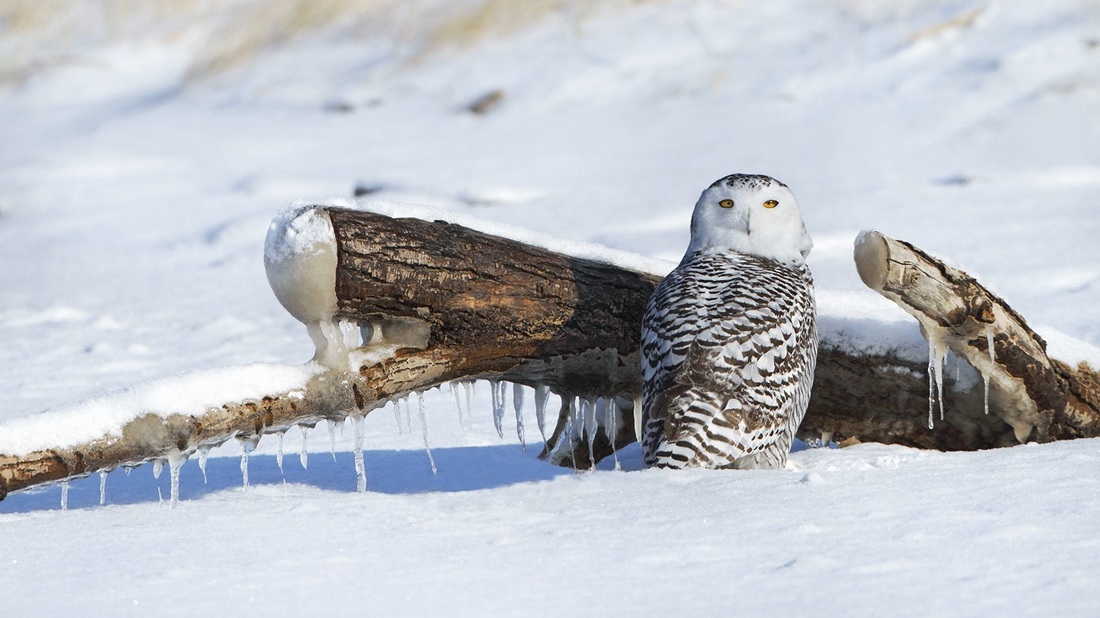
The Arctic tundra is a realm of stark beauty and relentless cycles, where survival is a daily negotiation with the elements. At its heart lies a delicate, yet fierce, food web—one where the unassuming lemming plays a role far greater than its size suggests. To the snowy owl, a silent sentinel of the frozen expanse, the lemming is not merely prey; it is the lifeblood of existence, the pulse that dictates the rhythm of life and death across the tundra. This is the story of how a small rodent, often overlooked in the grand tapestry of Arctic ecosystems, becomes the architect of an entire predator’s fate.
The Lemming: A Tiny Titan of the Tundra
Lemmings, those plump, unassuming rodents, are the unsung heroes of the Arctic. Cloaked in brown or gray fur, they scurry across the mossy carpet of the tundra, their tiny paws leaving fleeting imprints in the permafrost. To the casual observer, they may seem insignificant—easily dismissed as mere snacks for larger predators. But beneath their unremarkable exterior lies a creature of remarkable resilience. Lemmings are the tundra’s most prolific breeders, capable of producing litters of up to eight pups every few weeks during peak seasons. This fecundity is not a quirk of nature but a survival strategy, a desperate gamble against the harsh realities of their environment.
Their population booms and busts in cycles that echo through the food web like a drumbeat. Every three to five years, lemming numbers explode in a phenomenon known as a population eruption. These surges are not random; they are a response to the tundra’s own rhythms—mild winters, abundant vegetation, and a temporary reprieve from predation. For the snowy owl, these eruptions are not just a feast; they are a lifeline. A single owl may consume over 1,600 lemmings in a year, and during a peak year, a nesting pair can raise a brood of ten chicks on nothing but lemming flesh. Without them, the owl’s survival is precarious at best.
The Snowy Owl: A Predator’s Dependence
The snowy owl, *Bubo scandiacus*, is a creature of contradictions. With its dazzling white plumage and piercing yellow eyes, it is a vision of Arctic purity. Yet beneath that serene exterior lies a hunter of relentless efficiency. Unlike other owls, snowy owls are diurnal, hunting under the endless daylight of the Arctic summer. Their hunting grounds are vast, stretching across the tundra in search of the one prey that can sustain them: the lemming.
For the snowy owl, lemmings are more than food; they are the currency of survival. A female owl, preparing to lay her eggs, must accumulate enough fat reserves to endure the grueling incubation period. Her mate, too, must hunt tirelessly to provide for her. When lemming populations are high, the owls thrive. Nests are teeming with chicks, their downy feathers a stark contrast against the snow. But when lemmings vanish—crashing into a population trough—the owls face starvation. They may abandon their nests, or worse, fail to breed at all. The owl’s fate is inextricably linked to the lemming’s, a dance of feast and famine that plays out across the tundra year after year.
This dependence is not a sign of weakness but of evolutionary brilliance. The snowy owl has adapted to the unpredictability of its environment, evolving behaviors that maximize its chances of success. It caches excess prey, buries lemmings in the snow to preserve them for leaner times. It hunts in open areas, using its keen eyesight to spot movement from afar. Yet even these adaptations are not enough to shield it from the whims of lemming populations. The owl’s survival is a testament to nature’s delicate balance, where every creature, no matter how small, holds immense power.
The Lemming’s Paradox: A Prey That Shapes the Land
To understand the lemming’s role, one must look beyond the snowy owl and see the broader impact of its existence. Lemmings are ecosystem engineers, their burrowing activities aerating the soil and promoting plant growth. Their grazing prevents vegetation from becoming overgrown, maintaining the tundra’s delicate equilibrium. When their populations surge, they can even alter the landscape, creating patches of bare ground that become breeding grounds for insects and other small creatures. In this way, the lemming is not just a prey item but a keystone species, a linchpin around which the entire Arctic food web revolves.
Yet their influence extends even further. When lemmings are abundant, predators like foxes, weasels, and jaegers thrive. Their numbers swell, and the tundra teems with life. But when lemmings crash, so too do the fortunes of these predators. The snowy owl, though, is uniquely vulnerable. Unlike generalist predators, it cannot easily switch to alternative prey. Its survival hinges on the lemming’s whims, making it a barometer of the tundra’s health. In years of lemming scarcity, snowy owls may venture south in search of food, their white forms a stark contrast against unfamiliar landscapes. These migrations are not just desperate acts of survival; they are a reminder of the fragility of Arctic ecosystems.
The Silent Witness: Observing the Tundra’s Pulse
To stand on the Arctic tundra is to witness a world in constant motion, where every creature is both hunter and hunted. The snowy owl, perched on a hummock or gliding low over the moss, is a silent witness to this cycle. Its golden eyes miss nothing—the flicker of a lemming’s ear, the scurry of a vole, the distant shadow of a fox. But it is the lemming that commands its attention, the lemming that dictates its fate. In the owl’s world, there is no room for sentimentality. Survival is a numbers game, and the lemming’s population is the scoreboard.
This relationship is a reminder of nature’s indifference to individual lives. A single lemming’s death is not a tragedy but a necessity. Yet there is a strange beauty in this cycle, a harmony that transcends the brutality of the hunt. The snowy owl, with its regal bearing and piercing gaze, is not just a predator but a symbol of the Arctic’s resilience. It adapts, it endures, and it thrives—so long as the lemmings do the same. And when the tundra’s rhythms shift, as they inevitably do, the owl’s fate hangs in the balance, a delicate thread woven into the fabric of the land.
The lemming’s role in the Arctic food web is a story of interconnectedness, where every creature, no matter how small, plays a part in the grand narrative of survival. For the snowy owl, it is a story of dependence and adaptation, of feast and famine, of life and death. And in that story, the lemming is not just prey—it is the architect of an entire ecosystem’s destiny.