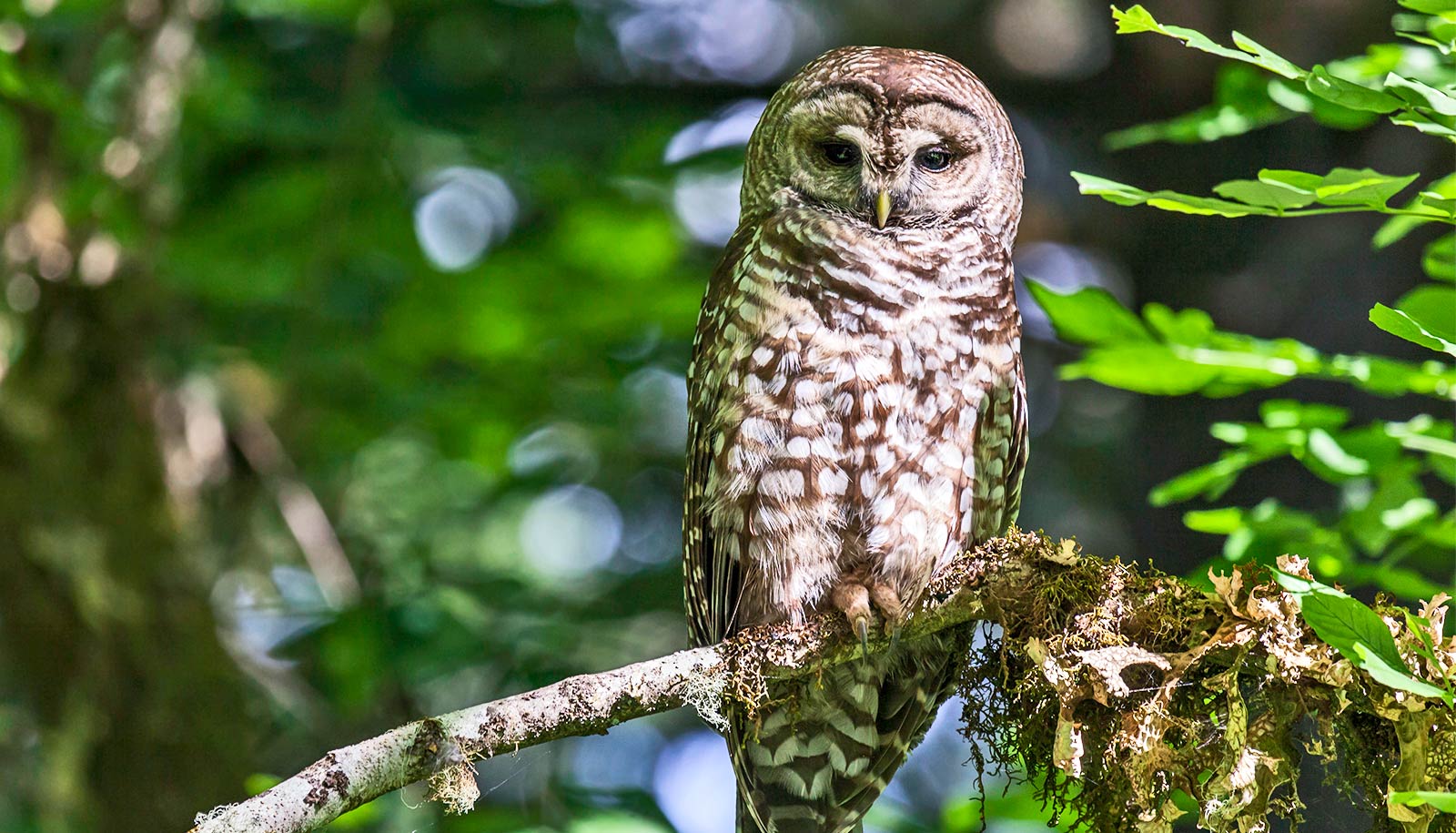
The Spotted Owl, with its haunting call and enigmatic presence, has long captivated the hearts and minds of nature enthusiasts, conservationists, and loggers alike. The fascination it commands extends beyond its striking plumage or elusive nature; it symbolizes a broader battle to safeguard imperiled ecosystems amid the relentless advance of human development. At the crux of this symbol lies the Endangered Species Act (ESA), a powerful legislative tool that has played an instrumental role in shielding this iconic bird from the precipice of extinction. The story of the Spotted Owl and the ESA is one lined with complexity, conflict, and an enduring testament to the possibilities of environmental stewardship.
The Spotted Owl: A Symbol of Wilderness and Vulnerability
At first glance, the Spotted Owl inhabits a modest niche in the vast temperate rainforests of the Pacific Northwest, but it carries an outsized significance. Its rarity and specificity of habitat render it a keystone species, whose survival is intricately linked to the health of old-growth forests. This bird is not just an avian creature, but a living barometer of ecological integrity. The widespread fascination with the Spotted Owl stems from its embodiment of wildness teetering on the brink. It begs a deeper reflection on the precipice at which so many species stand today, caught between natural heritage and the developmental demands of modern society.
Genesis of the Endangered Species Act: A Beacon for Biodiversity
Crafted in 1973, the Endangered Species Act was a radical affirmation of society’s commitment to preserving biological diversity. It articulated a clear mandate: to protect not just individual species but the ecosystems vital to their survival. The ESA’s power lies in its unequivocal approach to conservation—once a species is listed, stringent safeguards immediately come into force. For the Spotted Owl, this legislative framework was a lifeline, presenting a structured means by which its habitat could receive legal protection. However, this protection was anything but uncomplicated, as competing human interests soon vied against indispensable ecological needs.
Habitat Protection and the Controversy of Timber Industry Impact
The primary threat to the Spotted Owl has been the loss and fragmentation of old-growth forests, which harbor the unique conditions the species demands. The ESA, by design, mandated restrictions on logging practices within critical owl habitats. This pivot sparked tremendous economic and political controversy, especially in regions heavily dependent on timber industries. A common observation arose that protecting this imperiled owl would lead to massive job losses and economic downturns. Yet, subsequent analyses revealed that the impact, though significant, was less catastrophic than initially feared. This nuance often escapes the broader narrative, which tends to oversimplify the conflict between ecology and economy.
The Broader Ecological Role of Old-Growth Forests
Beyond providing sanctuary for the Spotted Owl, old-growth forests represent complex, ancient ecosystems teeming with biodiversity. Their towering trees, rich understory, and intricate food webs offer sanctuary to myriad species, from microscopic fungi to large mammals. The ESA’s protection of Spotted Owl territories therefore reverberated far beyond a single species. It initiated a cascade of conservation efforts focused on preserving an entire biome under existential threat. Protecting these forests is akin to preserving a living cathedral of nature, whose intricate designs take centuries to develop and seconds to destroy.
Adaptive Management and Science-Driven Conservation Strategies
The ESA’s success with the Spotted Owl is rooted in its reliance on science-based adaptive management. Throughout the decades, research has illuminated the species’ nuanced habitat requirements, breeding behaviors, and inter-species interactions. Conservation planning evolved to incorporate these insights, shifting from blanket bans to more refined, targeted strategies. Adaptive management facilitates ongoing reassessment and modification of policies to reflect the most current understanding—an essential attribute given the accelerating pace of environmental change. It embodies a dynamic partnership between law, science, and the natural world.
Legal Challenges and Social Dimensions of Conservation
The implementation of the ESA protections for the Spotted Owl has been a crucible for the tensions between environmental imperatives and human livelihoods. Litigation and political wrangling underscored the complex social dimensions beneath the conservation discourse. Local communities faced economic uncertainties, spurring debates about the fairness and efficacy of conservation policy. This reveals a core truth in endangered species protection: it is as much a social endeavor as it is an ecological one. Reconciling these dimensions requires empathy, dialogue, and innovative approaches that consider both biodiversity and human well-being.
The Enduring Legacy and Lessons for Future Conservation
The saga of the Spotted Owl under the aegis of the Endangered Species Act stands as a seminal chapter in American conservation history. It exposed the intricate interplay of ecological necessity, economic consequence, legal frameworks, and cultural values. The resilience of the Spotted Owl symbolizes hope—a tangible proof that dedicated legislative and scientific efforts can bend the arc away from extinction. However, it also serves as a caution: the fight to preserve imperiled species demands vigilance, adaptation, and above all, an unwavering commitment to coexistence. As future conservation challenges loom, the lessons learned from the Spotted Owl’s story will remain indispensable.
A Call to Reverence and Responsibility
The fascination with the Spotted Owl ultimately transcends its status as a protected species. It taps into a profound human yearning to connect with the wild, to bear witness to the delicate beauty of life that thrives beyond the reach of urban sprawl. Protecting the Spotted Owl through the Endangered Species Act is more than an act of policy—it is an expression of reverence for the natural world and a summons to responsibility. Its survival compels us to look beyond immediate interests and champion the intricate tapestry of life that sustains us all.