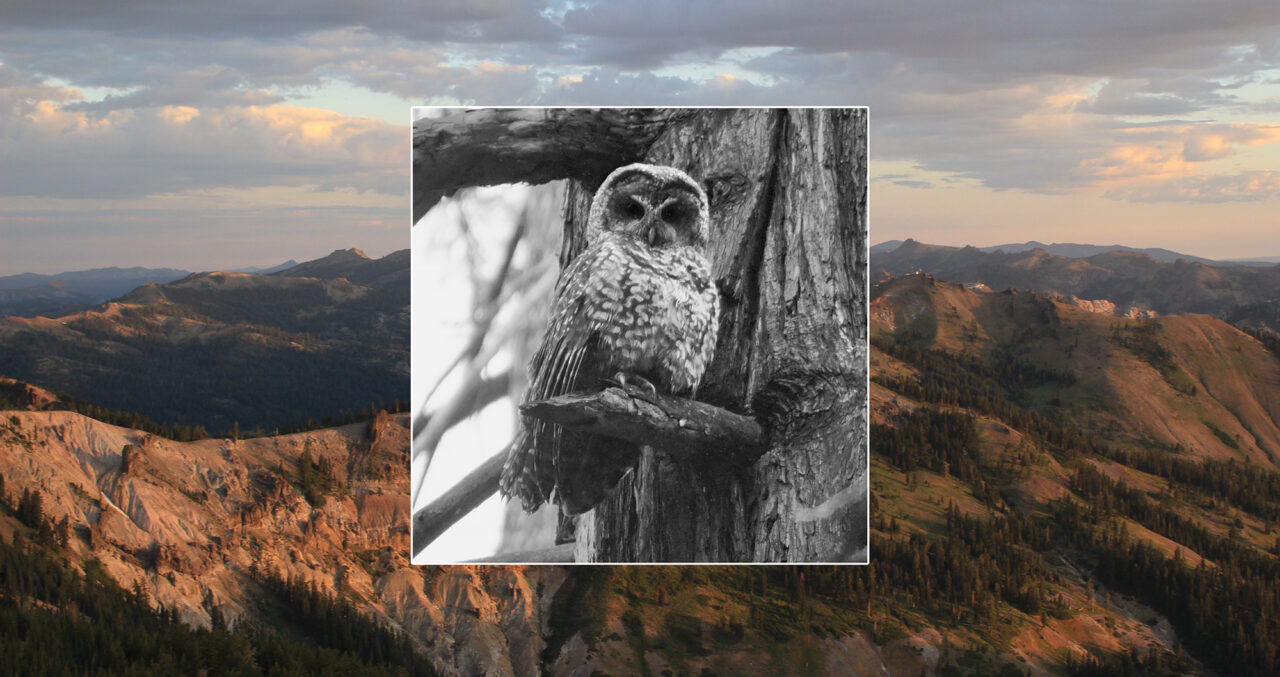
In the dense, shadowy realms of North America’s ancient forests, the Spotted Owl reigns as both a sentinel and an emblem of ecological fragility. These enigmatic birds, with their haunting calls echoing through the towering canopy, have become poignant symbols in the battle between preservation and industrial progress. Yet, beneath the quiet dignity of their dark eyes lies a story fraught with peril—one woven intricately with the threads of logging and deforestation. This exploration delves into the multifaceted impacts these human activities inflict upon Spotted Owls, unraveling not just the biological and environmental consequences, but the broader narrative of environmental ethics and conservation urgency.
The Spotted Owl’s Ecological Niche and Dependency on Old-Growth Forests
Spotted Owls are apex indicators of ecosystem health, and their reliance on old-growth forests is profound. These habitats offer a complex stratification of vegetation, dead wood, and dense canopy cover—elements essential for nesting, roosting, and hunting. The labyrinthine structure of ancient trees provides shelter and protection from predators and harsh weather, while the rich biodiversity sustains a prey base primarily consisting of flying squirrels, woodrats, and other small mammals. The intricate tapestry of moss, ferns, and decaying logs that cloak these forests is not mere backdrop but a critical component of the owls’ ecological niche. Consequently, any disturbance to these old-growth stands reverberates deeply within the Spotted Owl population, destabilizing their life cycles and survival prospects.
Logging Practices: Fragmentation and Habitat Degradation
Modern logging practices, especially clearcutting and selective logging, impose immediate and long-term threats to Spotted Owls. Clearcutting, characterized by the wholesale removal of large forest tracts, instigates habitat fragmentation, introducing patchiness that disrupts movement corridors and breeding territories. The once contiguous expanse of prime habitat becomes a mosaic of isolated islands, increasing vulnerability to predation and reducing genetic diversity through population segregation. Selective logging, often perceived as less destructive, nonetheless alters the microhabitats crucial for the owls’ prey and nesting sites. By selectively removing mature or dead trees, loggers inadvertently strip away vital structural components such as nesting cavities and perches, undermining habitat quality. Both approaches lead to cumulative impacts, precipitating population declines and localized extirpations.
Deforestation’s Ripple Effects: Altered Prey Dynamics and Inter-Species Competition
The ramifications of deforestation extend beyond habitat loss to convolute food web structures and interspecies relationships. As logging disrupts forest composition, prey populations face scarcity or displacement, compelling Spotted Owls to expend more energy in foraging or adapt to suboptimal prey. This dietary stress compromises reproductive success and chick survival rates. Furthermore, habitat alteration invites and facilitates encroachment by more aggressive competitors, notably Barred Owls. These invasive congeners outcompete Spotted Owls for nest sites and resources, a dynamic exacerbated by habitat degradation. Deforested landscapes transform the delicate balance, precipitating heightened interspecies antagonism that compounds the threat to Spotted Owl populations.
Conservation Challenges Amid Economic and Political Tensions
Efforts to safeguard Spotted Owls often spark contentious debates, pitting environmentalists against the timber industry and local economies dependent on logging jobs. The nuanced challenge lies in reconciling the imperatives of biodiversity conservation with socioeconomic realities. Legislative protections, such as the designation of critical habitats under the Endangered Species Act, have curtailed some logging activities but have also ignited political backlash and legal battles. The confluence of vested interests muddles conservation pathways, often resulting in compromises that fall short of comprehensive habitat restoration or connectivity enhancement. Therefore, conservation strategies necessitate adaptive management frameworks, community engagement, and innovative silvicultural techniques tailored to safeguard owl populations without indiscriminately undermining human livelihoods.
Restorative Endeavors and the Role of Forest Management
Addressing the deleterious impacts of logging demands robust, interdisciplinary approaches that prioritize habitat restoration and sustainable forestry. Initiatives such as reforestation with native species, establishment of ecological reserves, and implementation of uneven-aged harvest systems aim to mimic natural disturbance regimes and regenerate critical habitat structures. Enhanced forest management also involves preserving buffer zones around nesting sites to minimize disturbance and fostering landscape connectivity to facilitate gene flow. These endeavors benefit not only the Spotted Owl but the myriad species sharing these ecosystems, creating refuges that underpin regional biodiversity resilience. Restoration ecology, underpinned by rigorous scientific monitoring and community stewardship, offers a hopeful trajectory to reverse the trends imposed by past and ongoing logging activities.
The Cultural and Symbolic Significance of Spotted Owls in Conservation Discourse
Beyond their ecological role, Spotted Owls have evolved into potent cultural symbols galvanizing conservation awareness and activism. Their plight personifies the broader struggle to protect old-growth forests—ecosystems that embody timelessness, complexity, and life’s interconnectedness. The evocative image of the Spotted Owl serves as a clarion call, inspiring public empathy and fostering a stewardship ethic rooted in reverence for wild places. This cultural resonance is pivotal for sustaining political will and funding conservation initiatives. By amplifying the narrative of the Spotted Owl, society confronts deeper questions about our relationship with nature, resource consumption, and intergenerational responsibility.
Conclusion: A Fragile Future Hinged on Holistic Stewardship
The Spotted Owl’s saga is a microcosm of global conservation challenges where habitat loss, human activity, and climatic perturbations coalesce. Logging and deforestation have inflicted profound wounds upon these majestic birds, eroding the sanctuaries they depend upon and triggering cascading ecological consequences. Yet, embedded within this narrative is a call to action—urging a paradigm shift towards integrated forest management, inclusive governance, and renewed respect for natural heritage. Safeguarding Spotted Owls necessitates more than ecological interventions; it demands an enshrined commitment to harmonizing human endeavor with the sanctity of wilderness. Only through such holistic stewardship can the twilight calls of the Spotted Owl continue to haunt the twilight forest, testifying to resilience and coexistence.