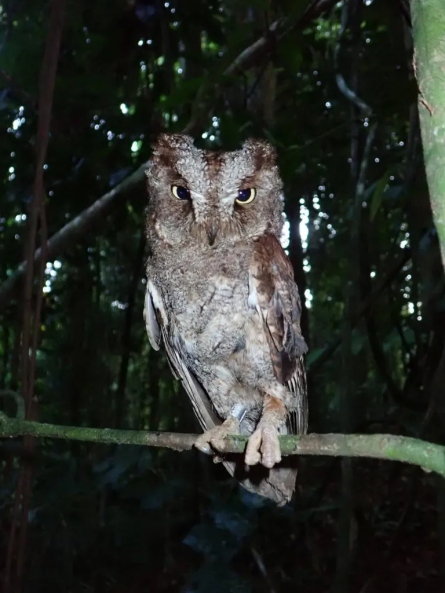
There is an undeniable allure that surrounds the discovery of a new species, especially when that creature is as enigmatic and beguiling as an owl. We often gaze skyward, mesmerized by the silent wings slicing through moonlit forests or perched regally against the night’s canvas. But what if, tomorrow, the world was stirred by the revelation of an entirely unknown owl species? Such an event would not merely ignite awe; it would provoke profound questions about our place in the natural order, the mysteries of biodiversity, and the fragile secrecy of the wild.
The Everlasting Fascination with Owls
Owls have long occupied a special niche in human consciousness. Their cryptic nature, haunting calls, and nocturnal habits evoke both fear and fascination across cultures and epochs. They are symbols of wisdom and messengers of the unseen realms. Yet, this fascination often masks a deeper curiosity—why do we feel so drawn to creatures that thrive under the shroud of darkness? The discovery of a new owl species would tap into this primal intrigue, reminding us that even in our modern, illuminated world, there are shadows that remain unexplored and alive with secrets.
Unveiling the Unknown: The Implications of Discovery
Finding a new owl species tomorrow would disrupt the seemingly complete tapestry of natural history. It challenges our assumptions about the exhaustiveness of scientific exploration and biodiversity catalogs. Despite centuries of ornithological study, such a discovery would reveal the gaps in our understanding of ecosystems. It would compel biologists to revisit evolutionary lineages, ecological interactions, and conservation priorities. The mere existence of this previously unknown species would hint at hidden ecological niches and microhabitats that have evaded human detection.
Scientific Reverberations: Redefining Evolutionary Narratives
Every species discovered acts as a puzzle piece in the mosaic of life’s evolution. A new owl species would provide fresh genetic and morphological data, possibly reshaping phylogenetic trees. It could deepen our comprehension of adaptive strategies—how certain traits evolved to optimize survival in specific environments. The revelation might even shed light on convergent evolution within raptors or novel behavioral adaptations. This would resound beyond ornithology, inspiring broader scientific inquiry into survival mechanisms, speciation processes, and the resilience of life amid anthropogenic change.
Cultural Resonance: Mythos and Modernity Collide
The emergence of a new owl species would resonate beyond laboratories and conservation fields, permeating culture and imagination. Owls have been revered, feared, and mythologized in countless human traditions—from Greek wisdom to Native American totems. Introducing a new species into this cultural tapestry could revive ancient myths or inspire new allegories. It might spark artistic expression, literature, and renewed respect for nature’s profundity. The owl’s silent plunge into the spotlight would remind humanity that mysteries still exist beyond screens and cities, reigniting a collective yearning for connection with the natural world.
The Conservation Imperative: Guardianship of the Newly Found
Discovering a new species is both a triumph and a solemn responsibility. It underscores the urgency to protect habitats before they vanish. Countless species disappear unnoticed, victims of habitat destruction, climate change, and pollution. A new owl’s discovery would spotlight the fragility of its ecosystem and the interconnectedness of biodiversity. Conservationists would rally to study, preserve, and protect the species, using it as a living emblem for broader environmental causes. Such an endeavor would also foster public engagement and educational initiatives, urging society to embrace stewardship over the natural world.
Philosophical Musings: The Boundaries of Human Knowledge
Finding a new owl species would evoke philosophical reflections on the limits of human knowledge and perception. It reveals humility—the recognition that vast stretches of the natural world remain undocumented and enigmatic. This humility challenges anthropocentric worldviews and advocates for a more harmonious coexistence with nature. It invites contemplation about the unseen dimensions of biodiversity and the potential for discovery in every corner of the planet. Such reflections deepen the human spirit’s quest for meaning and our role as caretakers in the tapestry of life.
A Call to Rediscover Wonder in Every Shadow
Ultimately, the discovery of a new owl species would be a triumph of wonder and curiosity. It would remind us to look with renewed eyes and open hearts—into forests, wetlands, and even our own backyards. The revelations hidden in the dusk encourage perpetual exploration and respect for the unknown. It cautions against complacency in knowledge and inspires a passionate commitment to uncover the extraordinary woven into the fabric of the mundane. In this way, the night’s silent sentinel becomes a beacon, guiding us toward discovery and deeper reverence for the natural world.