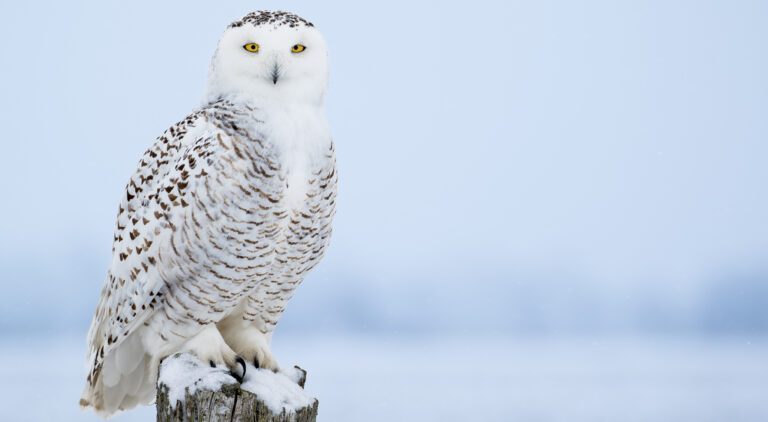
Have you ever found yourself captivated by the eerie silence of a snowy landscape, only to be startled by an unfamiliar, haunting call echoing through the frosted trees? Identifying the vocalizations of snowy owls can pose a delightful yet daunting challenge for bird enthusiasts and nature explorers alike. These enigmatic raptors possess a repertoire of sounds as distinctive as their dazzling white plumage, inviting listeners to decipher their language hidden within the wintry wilderness.
The Sonic Signatures of the Snowy Owl
Snowy owls communicate with an intriguing array of calls that serve various purposes—from mating rituals to territorial defense. Unlike many other owl species known for their classic hoots, snowy owls favor a more diverse palette of vocalizations that resist easy categorization. Their calls often evoke the vast, open tundra they inhabit, characterized by sharpness, intensity, and sometimes a surprising softness. Exploring these sonic signatures reveals not only their biological function but also a glimpse into the snowy owl’s ethereal existence.
The Resonant “Kroh” Call: The Territorial Herald
One of the snowy owl’s most recognizable sounds is the “kroh” call, a harsh, raspy note that typically serves as a territorial warning. When a male snowy owl detects an intruder within his domain, this guttural vocalization resounds across the frozen landscape. Its abrasive texture cuts through wind and snow, acting as a powerful deterrent to rivals. This call is often repetitive, emphasizing the owl’s dominion. The “kroh” is more than just a warning—it’s a declaration of sovereignty etched in sound waves, painting the invisible boundaries of the bird’s winter kingdom.
The Melodic “Hoo” Call: Courtship’s Subtle Symphony
In stark contrast to the gruff territorial calls, the snowy owl’s “hoo” sound embodies a surprisingly melodic and softer tone. Primarily produced by females during courtship, this call weaves through the Arctic stillness with a gentle cadence, signaling receptivity and nurturing intentions. The “hoo” is less frequent but potent, serving as an intimate whisper to a prospective mate. Its rhythm conveys reassurance and subtlety, underscoring the nuanced complexity of snowy owl communication during the breeding season.
The Alarm Bark: A Sharp Warning in the Snow
When faced with potential threats, snowy owls emit a sharp, barking call—sudden, urgent, and unmistakable. This alarm bark serves as a signal to both predators and nearby owls, conveying immediate danger. Unlike the drawn-out “kroh,” the bark is short and staccato, designed to startle and disrupt. It slices through the stillness like a cold gust, alerting others that caution is needed. This decisive vocalization underscores the owl’s role as a vigilant sentinel of its environment, always poised to react swiftly to incursions.
Juvenile Chirps and Begging Calls: The Language of the Young
Even snowy owl chicks possess their own unique vocalizations, markedly different from the adults’ commanding sounds. Nestlings communicate through high-pitched chirps and repeated begging calls, which express hunger and dependency. These plaintive cries are urgent and insistent, designed to coax the attention of attentive parents. Though delicate and fleeting, these juvenile sounds provide a tender glimpse into the infancy of snowy owls, highlighting the unspoken bonds that sustain life in the harsh Arctic regions.
Challenges in Identifying Snowy Owl Calls
Decoding snowy owl vocalizations can be deceptively challenging. Their calls vary regionally and seasonally, influenced by factors such as breeding status, environmental conditions, and individual personality. Moreover, the snowy owl’s habitat—the often stark and expansive tundra—allows sound to carry far, sometimes distorting perception of direction and intensity. The difficulty lies not just in recognizing distinct calls but also in interpreting their context. For the avid listener, this requires attuned patience and a deepening familiarity with the nuances of owl behavior.
Why Snowy Owl Vocalizations Matter: Beyond Mere Sounds
Understanding the calls of snowy owls enriches more than just auditory experience. These vocalizations offer critical insights into the species’ ecology, social structure, and survival strategies. From announcing territory to signaling reproductive readiness, each call embodies evolutionary adaptations to the pressures of life in the Arctic. Conservationists and birdwatchers alike rely on these auditory clues to monitor populations and assess habitat health. Listening becomes a form of connection—an intimate encounter bridging human curiosity with wild nature’s secret dialogues.
Tips for Listening and Identifying Snowy Owl Calls
Embarking on the quest to identify snowy owl calls requires more than sharp ears; it demands immersion and mindfulness. Seek out quiet, open spaces during early mornings or twilight, when these nocturnal raptors are most vocally active. Utilize high-quality audio equipment or smartphone apps designed for bird calls to capture and analyze sounds. Patience is key, as is maintaining stillness to prevent disturbance. Comparing recorded calls with known vocal patterns deepens recognition, allowing you to match the “kroh,” “hoo,” or alarm bark with the corresponding behavioral context observed.
Embracing the Echoes: The Snowy Owl’s Vocal Legacy
Ultimately, the snowy owl’s calls enchant us because they carry the voice of the wild—raw, enigmatic, and resonantly alive. To attune ourselves to these sounds is to glimpse a world shaped by snow and silence, where every note tells a story of survival, assertion, and intimate connection. The challenge then is not merely to identify these calls but to embrace their mystery, allowing them to enrich our understanding and deepen our reverence for one of nature’s most majestic emissaries.