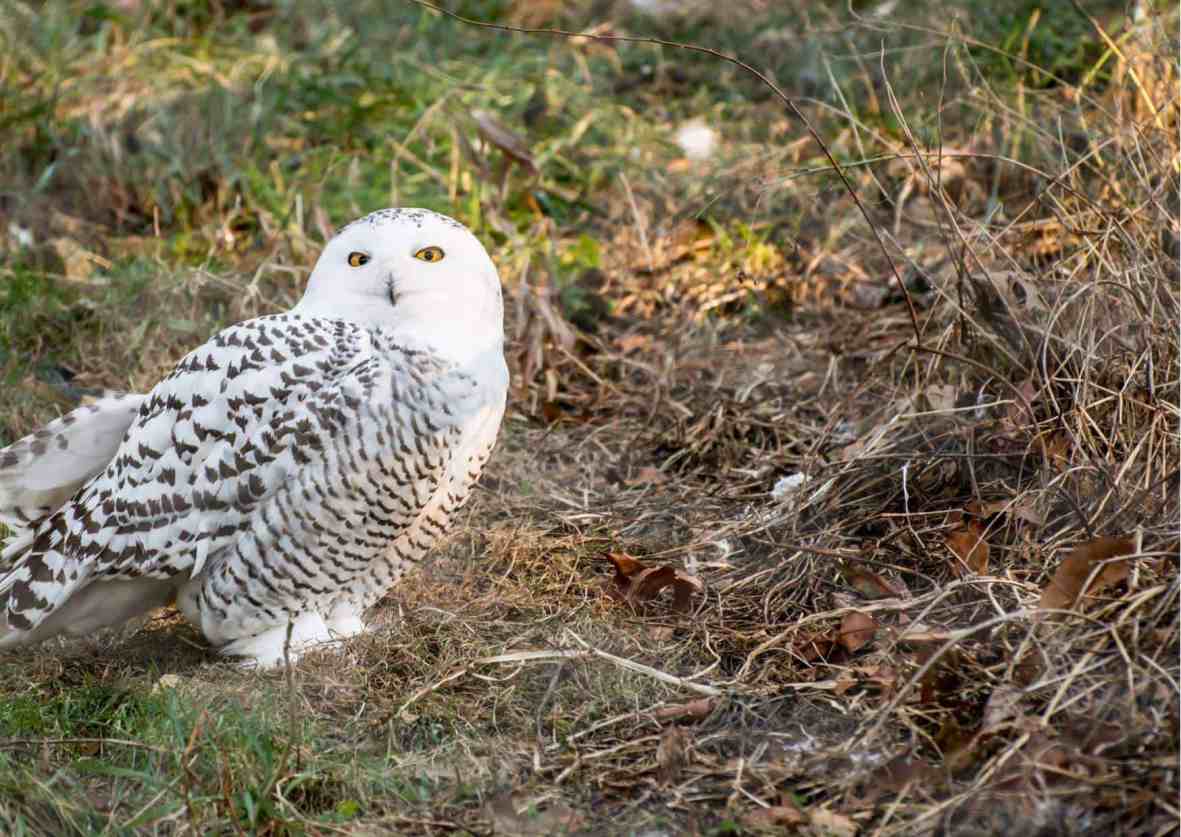
The elusive snowy owl, with its ghostly white plumage and piercing yellow eyes, has captivated human imagination for generations. These majestic birds, often associated with the frosty expanses of the Arctic tundra, harbor secrets of behavior and survival that remain largely veiled due to their remote habitats and crepuscular activity. However, in the intersection of wildlife biology and technological advancement, camera traps have emerged as silent sentinels, promising a transformative shift in how we perceive and understand these enigmatic creatures. Through unobtrusive and persistent observation, camera traps unveil intimate glimpses into the snowy owl’s life—moments previously lost to time and distance, now immortalized in vivid, candid frames.
The Advent of Camera Traps: Revolutionizing Wildlife Observation
For centuries, traditional methods of studying snowy owls relied heavily on direct human observation—a daunting challenge given the bird’s sparse populations, vast hunting territories, and sensitivity to disturbance. The emergence of camera trap technology has revolutionized this paradigm by facilitating remote surveillance that respects the owl’s natural environment while offering continuous, high-resolution documentation. These devices, embedded with motion sensors and infrared capabilities, are strategically positioned to capture every subtle movement—from the silent sweep of wings in moonlit flights to the complex behaviors surrounding nesting and hunting. What was once relegated to speculative anecdotes is now being substantiated with compelling visual data, shattering the previous boundaries of field research.
Unveiling Nocturnal and Seasonal Behaviors
Snowy owls, predominantly nocturnal and often active in low-light conditions, have historically posed a conundrum for researchers. Camera traps equipped with night vision technology penetrate this darkness, revealing the full spectrum of their behaviors with remarkable clarity. Observations have unveiled nuanced hunting tactics, such as perching patiently for hours before striking with surgical precision, or engaging in opportunistic feeding during fleeting arctic summers. Furthermore, seasonal shifts in behavior—ranging from territorial disputes during mating season to migratory patterns—are now being documented in ways that redefine our understanding of their ecological adaptability. This continuous stream of behavioral data challenges long-held assumptions, inviting scientists and enthusiasts alike to reconsider the intricacies of snowy owl life cycles.
Insights into Social Structures and Communication
Contrary to the solitary image often attributed to snowy owls, camera traps have illuminated facets of social interaction that teem with complexity. Visual records reveal occurrences of communal roosting, subtle courtship displays, and vocal communication that transcend simple calls. Through thousands of captured moments, researchers have begun to decode non-verbal queues—feather ruffling, head bobbing, and postural shifts—that function as intricate social signals within owl communities. These revelations pry open a new dimension of avian sociality, fostering curiosity about the evolutionary pressures shaping these behaviors and their implications for species survival amid changing climates.
Decoding Predator-Prey Dynamics Through the Lens
Camera traps not only chronicle snowy owls but also cast light on their interactions with prey and competitors. The phantasmagoric ballet between predator and prey unfolds in vivid detail—voles darting through snowfields, ptarmigans freezing in camouflage, and the owl’s sudden, silent descent. This documentation enriches our comprehension of arctic food webs and highlights the delicate balances sustaining these fragile ecosystems. Moreover, incidental captures of rival predators, scavengers, or human disturbances provide context to the challenges snowy owls face, aiding in conservation strategies that address the broader ecological tapestry rather than isolated species concerns.
Uncovering Behavioral Responses to Climate Change
The arctic tundra is one of the most climate-vulnerable biomes on Earth. Camera traps have become pivotal in monitoring how snowy owls respond to shifting environmental parameters—warmer temperatures, altered snow cover, and fluctuating prey availability. Shifts in nesting times, migratory routes, and hunting strategies, chronicled over successive seasons, portray a portrait of resilience and adaptation. These visual archives foster a greater appreciation of the dynamic relationship between species and habitat, emphasizing the urgency to understand and mitigate the impacts of rapid environmental change. Through this lens, snowy owls emerge not just as emblematic species but as sentinels warning of broader ecological upheaval.
Enriching Public Engagement and Conservation Awareness
Beyond their scientific utility, camera trap images of snowy owls inspire awe and deepen public connection to wildlife. The candid, unposed glimpses into the owl’s daily rituals bridge the gap between remote wilderness and human imagination. Conservationists leverage these evocative images and videos to craft compelling narratives that galvanize community involvement and promote habitat preservation. This democratization of wildlife observation—accessible through digital platforms—cultivates a global stewardship ethos, inviting people to become active participants in safeguarding these ethereal birds and their habitats for generations to come.
The Future Horizon: Integrating AI and Enhanced Sensor Technologies
The confluence of camera traps with artificial intelligence and advanced sensor arrays heralds an exciting new chapter in snowy owl research. Machine learning algorithms now sift through terabytes of footage to identify individual owls, track movement patterns, and detect subtle behavioral anomalies with unparalleled precision. Enhanced sensors capable of measuring ambient temperature, wind speed, and even bioacoustics sync with visual data, offering a comprehensive environmental context to observed behaviors. This multi-modal approach promises unprecedented depth in ecological insight, enabling predictive modeling of snowy owl populations and their adaptive responses. What lies ahead is not merely a collection of images—but a living, breathing archive that informs conservation policy, ecological theory, and our collective wonder for a species that once seemed perpetually out of reach.
In unraveling the mysteries of snowy owls through the steadfast gaze of camera traps, we are witnessing the dawn of a new ecological narrative—one that promises to reshape our understanding of wilderness, resilience, and the hidden lives thriving in the silent frost.