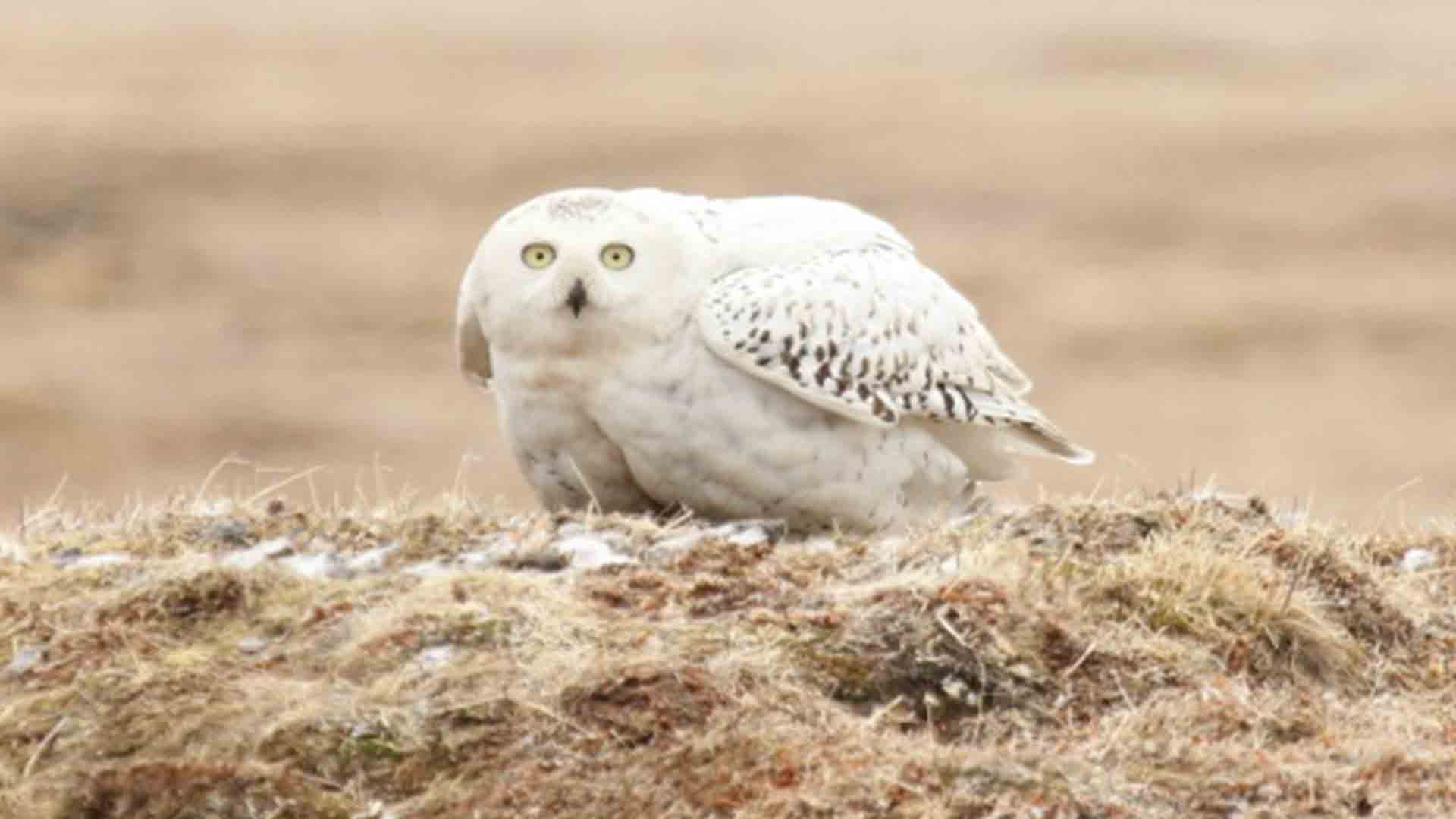
Across the vast, frozen tundras where silence reigns and icy winds sweep across the barren landscape, a subtle yet profound transformation is unfolding. The Arctic Snowy Owl, an iconic sentinel of this fragile ecosystem, has long fascinated naturalists and wildlife enthusiasts. Their hauntingly beautiful nesting rituals, set against pristine snowy backdrops, have captured our imaginations. Yet, beneath this serene tableau lies an unsettling shift—melting permafrost is rewriting the rules of their nesting behavior. This phenomenon invites us not only to observe but to deeply contemplate how climatic forces ripple through nature’s intricate web, altering ancient patterns with sobering consequences.
The Ecological Drama of Permafrost Thaw
Permafrost—perennially frozen ground that underpins much of the Arctic—is a linchpin of the region’s ecological stability. It acts like a colossal refrigerator, preserving organic matter and maintaining the structural integrity of tundra habitats. However, as global temperatures rise, this frozen foundation is thawing at an unprecedented rate. The repercussions cascade through the landscape in myriad ways: soil destabilization, altered hydrology, and shifts in vegetation composition. For species like the Snowy Owl, which depend on specific nesting grounds, these changes are reshaping the very meaning of “home.”
Snowy Owl Nesting: Tradition Meets Vulnerability
Traditionally, Snowy Owls choose elevated sites on dry, well-drained tundra where their nests remain safe from flooding and predators. These sites are often located on terrain stabilized by frozen soil, providing a vantage point for females to vigilantly guard their precious eggs. Nesting success hinges on the reliability of these conditions. Over centuries, this behavior evolved as an adaptive strategy finely attuned to the Arctic’s rhythmic pulse. The fragility of this balance becomes apparent as permafrost melt disrupts the ground’s firmness, transforming once-secure perches into quagmires. This vulnerability poses questions that stir curiosity and concern alike.
Observable Shifts: From Elevated Mounds to Unsteady Grounds
Observers in the field are noting subtle but clear changes. Snowy Owls that once nested upon steadfast hummocks are now forced to adapt, selecting lower-lying patches or areas with increased vegetation cover. These new choices reflect an ecological compromise, born out of necessity rather than preference. The shift towards nesting in less ideal locations signals a disruption in the owls’ instinctual behaviors, as the landscape reshapes itself beneath their talons. Such behavioral plasticity is fascinating and poignant; it reveals both the resilience and the limits of adaptation within these emblematic birds.
The Role of Prey Availability Amid Changing Landscapes
Permafrost thaw not only alters nesting substrate but also affects the availability and distribution of prey species crucial for Snowy Owl survival. Lemmings, voles, and other small mammals thrive in tundra ecosystems, and their populations are sensitive to habitat changes wrought by warming soils. As thaw-induced wetness increases or vegetation changes in composition and density, prey abundance may fluctuate unpredictably. This trophic ripple impacts owl breeding success and chick survival, thereby influencing nesting site fidelity and timing. The interwoven nature of these challenges deepens the intrigue surrounding the owls’ adaptive responses.
Hydrological Changes and Nest Flooding Risks
One of the most immediate dangers posed by melting permafrost is altered hydrology. Thawing leads to waterlogged soils and the development of thermokarst lakes and ponds. Flooding risk near traditional nesting territories escalates, threatening egg survival. Snowy Owls may implicitly sense these heightened risks, prompting relocation or abandonment of nests. The physical expression of climate-driven hydrological change thus creates a direct feedback loop to nesting behavior. This dynamic underscores an elemental tension—a species yearning for stability amidst an environment unsteady by its very nature.
Implications for Snowy Owl Conservation Strategies
The unfolding narrative implicates more than just the owls; it challenges conservation frameworks predicated on historic habitat baselines. A nuanced understanding of the interplay between permafrost dynamics and avian life histories is vital. Conservationists must grapple with habitat mosaics in flux, requiring adaptive management approaches that anticipate shifting nesting landscapes. Enhanced monitoring of nesting site selection and success rates, coupled with landscape-scale permafrost mapping, offers pathways to safeguard these magnificent birds. The complexity of the issue demands solutions as multifaceted as the problem itself, weaving scientific insight with pragmatic stewardship.
The Greater Ecological Resonance: A Battered Arctic Symphony
Watching Snowy Owls adjust their nesting patterns provides more than a localized natural history lesson; it serves as a poignant metaphor for the Arctic’s broader ecological upheavals. These owls are harbingers, signaling the pervasive impacts of climate change cascading through interconnected biological networks. Their altered behavior invites us to consider the fragile synchronization within these northern habitats and awakens a deeper fascination with nature’s tenacity and fragility. Within the quietude of the tundra, the story of melting permafrost and shifting owls resonates far beyond the Arctic, beckoning global reflection and action.
Looking Forward: Embracing Uncertainty with Awe
The evolving story of Snowy Owl nesting behavior amid permafrost melt encapsulates the raw essence of change—uneasy, compelling, and instructive. It reminds us that amidst environmental tumult, life persistently seeks new paths forward, often in astonishing ways. Observing these adaptations sparks a profound curiosity and respect, enriching our understanding of resilience and vulnerability alike. While uncertainties abound, we are gifted a rare window to witness the intricate choreography between earth’s cryosphere and its avian sentinels—a delicate dance whose future steps remain tantalizingly unknown.