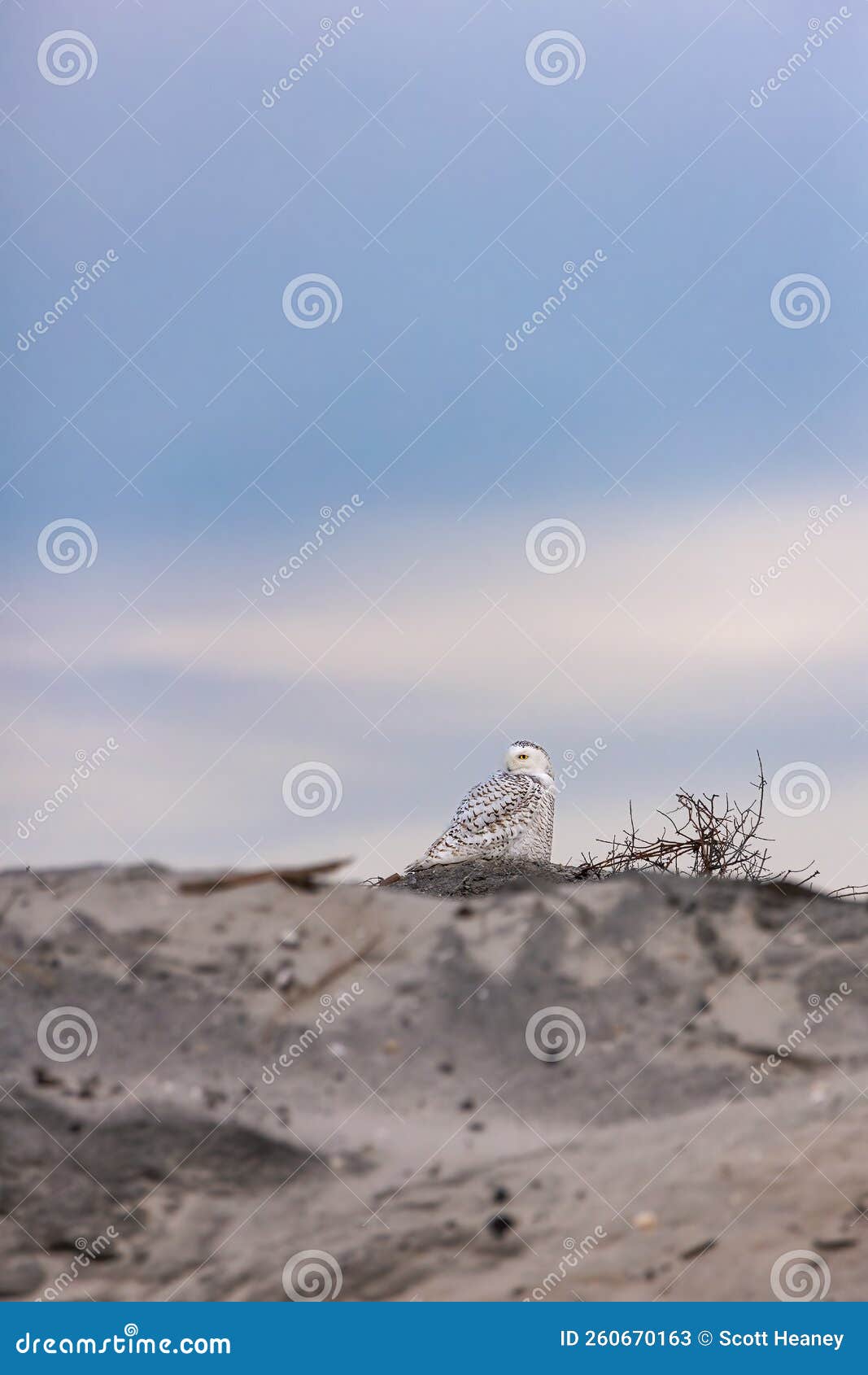
Is it possible that the warming oceans, vast and relentless, might be rewriting the fate of the snowy owl—those majestic white sentinels perched along sandy coastal dunes? At first glance, one might not associate the fierce chill of Arctic landscapes with the gentle ebb and flow of ocean tides. Yet, beneath this seemingly disparate connection lies a profound ecological tale of challenge, survival, and adaptation. As climate change accelerates ocean warming, the snowy owl populations that frequent coastal regions find themselves enmeshed in a web of cascading effects, shifting prey dynamics, and habitat transformation, cheek-by-jowl with the changing seas.
The Snowy Owl and Its Coastal Ambit: An Intricate Dance With the Environment
Snowy owls (Bubo scandiacus) are emblematic creatures of cold, barren expanses. However, certain populations extend their range seasonally or permanently to coastal dune areas, where the interplay between land and sea creates unique ecological niches. These coastal landscapes are no mere backdrop; they provide critical roosting and hunting grounds, intricately linked to the availability of prey and the microclimatic conditions necessary for the owls’ survival.
Unlike their deep tundra counterparts, coastal snowy owls must navigate a liminal space where terrestrial and marine influences converge. Oceanic patterns shape the weather systems, ice coverage, and resource abundance—elements that subtly dictate the conditions on sandy dunes overlooking the sea. Understanding how ocean warming disrupts this delicate balance is pivotal to unraveling their future prospects.
Warming Seas and Altered Prey Availability: The Unseen Domino Effect
One might wonder: how does a rise in ocean temperature ripple through the food chain to touch these terrestrial hunters? The answer lies in the cascading ecological impacts that begin beneath the waves. As ocean temperatures climb, there is a shift in the species composition and abundance of coastal marine life, including fish and invertebrates that sustain seabirds and mammals—species that, in turn, indirectly influence small mammal populations integral to the snowy owl’s diet.
On land, the snowy owl predominantly preys on lemmings and voles. However, coastal warming affects the nearshore ecosystems where these prey species flourish. Changes in coastal vegetation, moisture, and snow cover—all influenced by the adjacent ocean’s temperature—alter the habitat suitability for these small mammals. When prey density diminishes, snowy owls face the conundrum of extended foraging trips or subsisting on less optimal resources, with a toll on energy reserves and reproductive success.
Microclimatic Shifts on Sandy Coastal Dunes: A Habitat in Flux
Coastal dunes are dynamic interfaces, constantly reshaped by wind, wave action, and seasonal climatic variables. Ocean warming manifests as alterations in storm frequency and intensity, sea level rise, and changes in wind patterns. These factors collectively transform dune morphology and vegetation structure—elements pivotal to snowy owl nesting and roosting behavior.
For example, intensified storm surges can erode dune habitats, reducing the availability of safe nesting sites buffered from predators and human disturbance. Meanwhile, shifts in vegetation types may affect the microhabitats critical for prey species, indirectly influencing food availability for the owls. This habitat instability imposes an added layer of stress during the breeding season, when territorial fidelity and nest success are paramount.
Phenological Mismatches: When Nature’s Timetable Goes Awry
The timing of biological events—phenology—is finely tuned between predator and prey. Ocean warming has been documented to induce shifts in the seasonal rhythms of many species. Snowy owls’ migration schedules and breeding times are closely linked to the peak availability of prey in their chosen habitats. However, if warming oceans cause earlier or delayed emergence of key prey species or impact vegetation growth cycles, the synchronization between owl reproduction and optimal food supply may falter.
These phenological mismatches can result in reduced chick survival rates and diminished reproductive output, pressing the population downward across generations. The subtlety of these temporal shifts belies their profound implications on snowy owl population dynamics and resilience.
The Extension of Thermally Challenging Zones: Expanding the Climatic Envelope
As ocean temperatures rise, so too do the adjacent atmospheric temperatures in coastal zones, expanding thermally challenging areas where snowy owls must adapt or retreat. These predators, adapted for frigid climates, face increased energetic costs as they contend with warmer conditions that can disrupt their physiological balance.
This thermal stress is especially pronounced during summer months when global warming intensifies heatwaves. Snowy owls may find traditional coastal dunes warmer than historically experienced, possibly forcing shifts in behavior such as altered activity patterns, seeking shade, or relocating to cooler microhabitats. These shifts may fragment populations and reduce overall fitness, posing an existential challenge if climatic trends continue unabated.
Human Responses and Conservation Strategies Amidst Changing Oceans
With the intricate connections between ocean warming and coastal snowy owl populations laid bare, the question arises: how can we marshal conservation efforts to help these birds endure? Protective measures must encompass not only terrestrial habitat preservation along coastal dunes but also broader ecosystem management that considers marine influences.
Mitigating coastal erosion, restricting human disturbance during sensitive nesting periods, and preserving prey populations are critical. Moreover, integrated monitoring of oceanographic changes and wildlife responses can enable adaptive strategies—such as assisted habitat restoration or creating refuges in cooler microclimates—that accommodate shifting environmental realities.
Ultimately, tackling ocean warming on a global scale remains imperative to curtail the cascade of challenges faced by coastal snowy owls. However, fostering resilience through localized, evidence-based actions offers a beacon of hope—a play of human stewardship against the gossamer threads of climate change unraveling delicate ecosystems.
A Playful Challenge: Could Snowy Owls Become Oceanic Ambassadors of a Changing Era?
Could these elegant creatures, perched regally atop sandy dunes facing warming seas, become unexpected protagonists in the narrative of climate change? Their plight encapsulates the complex interplay between terrestrial and marine systems and offers a compelling call for curiosity and care. Perhaps, by unraveling their challenges, we can learn to listen more keenly to the ocean’s story—its warming whispers—and inspire a collective response to steward not just the snowy owl’s future, but that of the entire coastal symphony in which it plays a part.