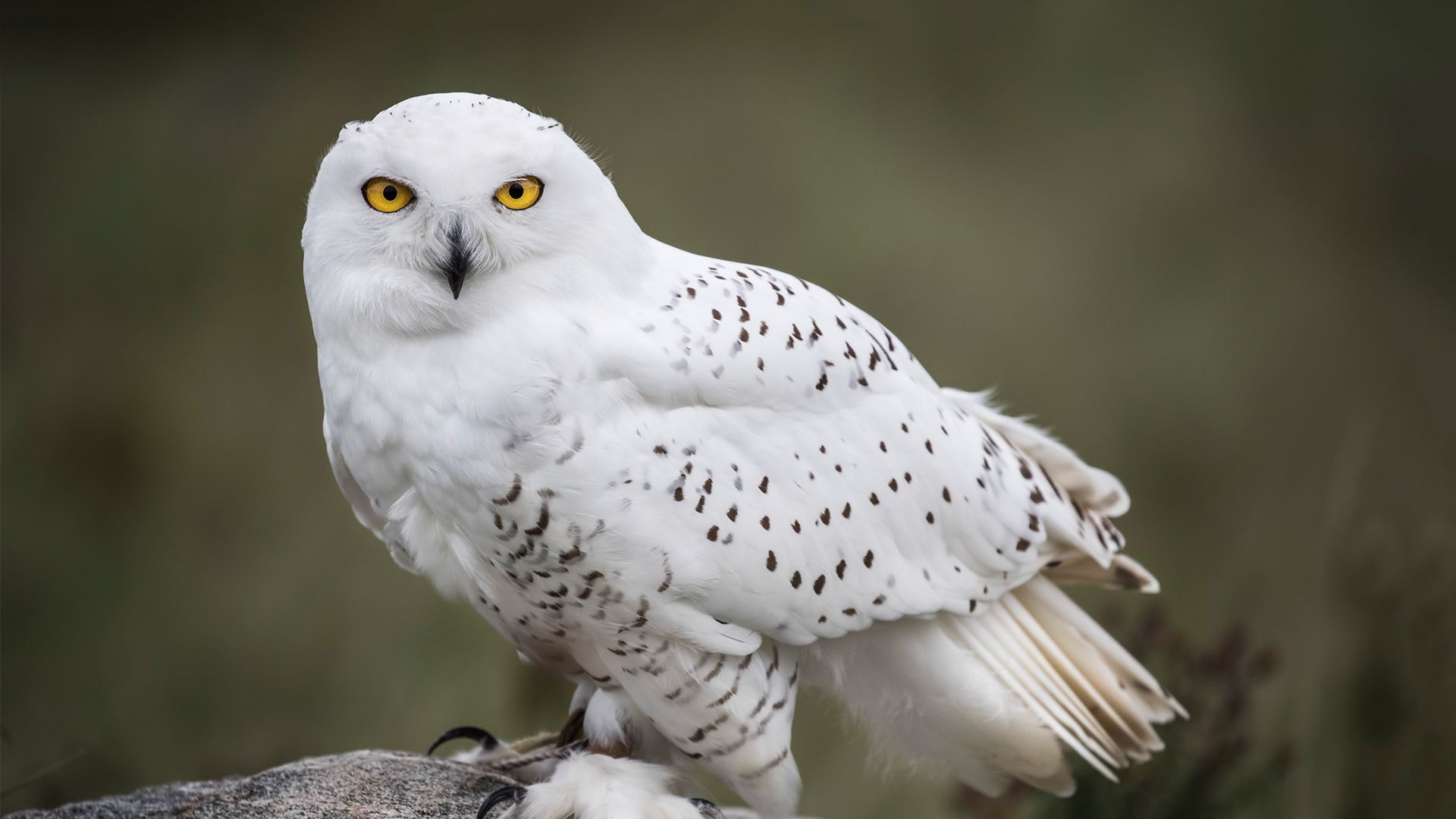
What happens when the unyielding frozen realm of the Arctic, a bastion of frigid endurance, unexpectedly sizzles under an anomalous heatwave? For the majestic snowy owls, creatures seemingly sculpted by the icy winds themselves, this sudden temperature upheaval poses a perplexing conundrum. Once synonymous with relentless cold and blinding white landscapes, the snowy owl now confronts an extraordinary test: surviving the throes of Arctic heatwaves.
The Arctic’s Changing Canvas: From Icy Expanse to Fevered Terrain
The Arctic, long perceived as an immutable fortress of ice and snow, is transforming under the relentless march of climate change. Historically characterized by its bone-chilling cold and austere beauty, this region now experiences intensified periods of warmth and unexpected heat surges. These heatwaves disrupt not only the physical landscape but also the intricate ecological ballet that species like the snowy owl depend upon. The usual palette of crystalline ice and frosty tundra shifts to patches of exposed earth and wilting vegetation, presenting novel environmental stressors to inhabitants adapted to extremes of cold.
Snowy Owls: Evolutionary Masters of Cold Climates
Snowy owls are avatars of Arctic resilience. Their dense plumage, almost powdery white with intricate black markings, functions as sophisticated insulation against the severe chill. Their feathers cloak not only their bodies but also their feet and legs, providing a comprehensive thermal shield. These birds evolved in an environment where frigid winds and deep snow were constants, their physiology and hunting tactics tightly interwoven with the cold. They rely heavily on snow-covered landscapes for camouflage, hunting vulnerable prey like lemmings and Arctic hares expertly concealed beneath the snowdrifts.
Heatwaves: A Novel and Stealthy Threat
However, when temperatures spike unexpectedly, the snowy owl’s mastery over cold becomes a paradoxical vulnerability. Heatwaves impose thermoregulatory stress, challenging the owl’s ability to dissipate body heat. Unlike desert-adapted birds, snowy owls lack specialized heat-dispersion mechanisms such as large, vascularized bills or bare skin patches, making them susceptible to overheating. The prolonged aura of warmth can disrupt their metabolic rhythms, forcing the owls to reduce activity during the warmest parts of the day. This restraint limits their hunting efficiency and energy intake, crucial factors during breeding and migration periods. Moreover, elevated temperatures can alter prey behavior and distribution, compounding difficulties for these apex avian predators.
Behavioral Adaptations: The Owl’s Subtle Dance with Heat
Faced with these unprecedented challenges, snowy owls exhibit remarkable behavioral plasticity. They may seek shaded microhabitats, such as rocky outcrops or sparse vegetation, to mitigate direct solar exposure. In some instances, these birds extend their wings to encourage convective cooling, a behavior more typical in warmer-climate raptors. The frequency of daytime resting increases, as nocturnal activity yields cooler temperatures, turning the snowy owl’s temporal rhythm on its head. While these adaptive strategies showcase their resilience, they also reveal the precarious balancing act required to navigate an increasingly erratic climate.
Ecological Ripple Effects: Heatwaves and the Food Chain
Snowy owls do not exist in isolation; they are linchpins in a delicately balanced Arctic food web. When heatwaves strike, prey populations such as lemmings may suffer from habitat degradation and changes in vegetation, diminishing their numbers or prompting migrations to cooler areas. Such shifts inhibit the owl’s ability to secure sufficient nourishment, potentially reducing reproductive success and chick survival rates. Furthermore, warmer temperatures may invite competitors and predators from lower latitudes into Arctic territories, intensifying pressures on snowy owl populations and disrupting long-standing ecological equilibriums.
Genetic and Physiological Hurdles: Can Evolution Keep Pace?
Adapting to the Arctic’s shifting heat regime is not merely a matter of behavior but also of genetics and physiology. The snowy owl’s thick plumage, while ideal for insulating in cold, poses a thermal liability in heat. Rapid evolution of traits favoring heat tolerance is improbable given the species’ extended generational turnover and specific environmental adaptations. This constraint raises the specter of maladaptation if warming trends persist or escalate. The genetic bottle-neck may limit flexibility, making the snowy owl vulnerable to population declines and range contractions in the coming decades.
Conservation Imperatives: Protecting an Arctic Icon Amidst Climate Flux
Intervening to safeguard snowy owls in the era of Arctic heatwaves requires a deep understanding of their vulnerabilities and adaptive capabilities. Conservation strategies should prioritize preserving and restoring critical habitats that offer thermal refugia—areas naturally cooler or buffered against extreme temperatures. Monitoring prey populations and ecosystem health is vital to anticipate and mitigate food chain disruptions. Additionally, fostering international cooperation to address the overarching climate crisis is indispensable, as localized efforts alone cannot reverse global warming’s cascading effects. Active research and public awareness will be instrumental in galvanizing support to protect these emblematic birds so intimately tied to Earth’s frozen frontiers.
Resilience Amidst Uncertainty: A Testament to Nature’s Tenacity
Snowy owls symbolize more than the Arctic’s frozen allure; they epitomize resilience in a landscape riddled with uncertainty. Their ongoing struggle with emerging heatwaves encapsulates the broader narrative of species grappling with rapid environmental changes. While the future remains fraught with challenges, the snowy owl’s story is also one of adaptability and quiet fortitude. Watching these ethereal creatures navigate unfamiliar warmth invites us to marvel at nature’s enduring spirit and to reflect on our responsibility to steward a planet where even the harshest extremes hold fragile equilibrium.