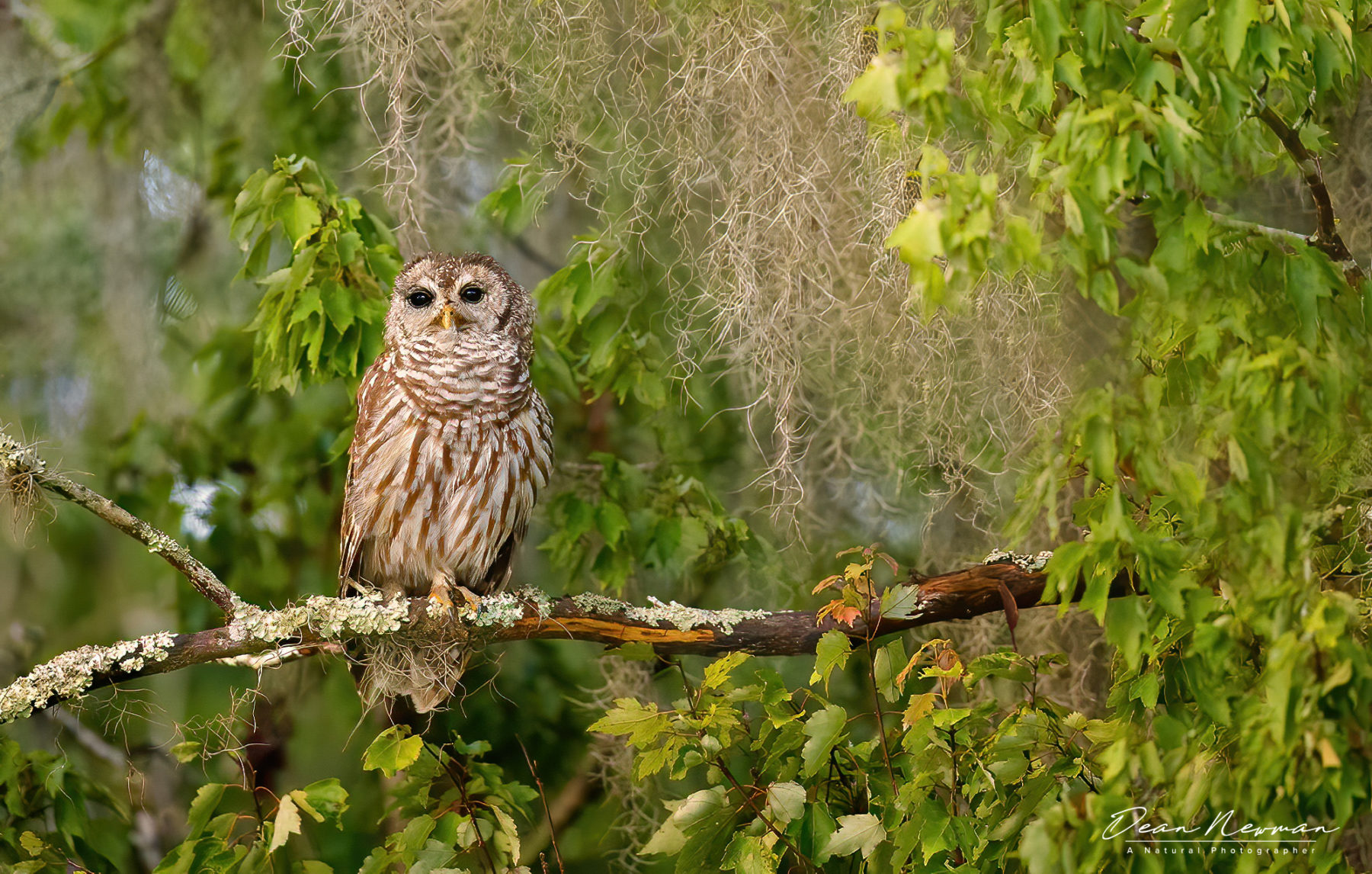
The next decade will be a crucible for owl populations worldwide—a decade where the silent wings of these enigmatic birds will either soar into a renaissance of conservation triumph or falter under the weight of accelerating ecological upheaval. As dusk descends on forests and grasslands, the hoot of an owl is not merely a nocturnal serenade; it is a barometer of planetary health, a whisper of biodiversity in peril, and a harbinger of what lies ahead for ecosystems teetering on the edge of transformation. The coming ten years will demand more than passive observation; they will require a radical reimagining of humanity’s relationship with the natural world. This is not a story of doom, but of possibility—a narrative where science, policy, and community converge to rewrite the fate of one of nature’s most mesmerizing predators.
The Great Migration of Habitats: Climate Change as the Invisible Architect
Owls are not mere spectators to climate change; they are its reluctant cartographers, compelled to redraw the boundaries of their existence with each shifting isotherm. The boreal forests of Canada, once a bastion for the Great Gray Owl, are creeping northward as temperate zones expand, leaving behind fragmented pockets of habitat that no longer sustain the ecological rhythms these birds have perfected over millennia. Meanwhile, in the tropics, the spectacled owl’s domain is being squeezed by rising temperatures that alter the delicate balance of prey availability. These shifts are not gradual—they are tectonic, reshaping the very scaffolding of owl territories in ways that defy evolutionary adaptation. Yet, within this turbulence lies an unexpected promise: the rise of “climate corridors,” carefully curated corridors of protected land designed to allow species to migrate in sync with warming climates. The next decade will test whether humanity can act as a steward rather than a disruptor, ensuring that owls do not become casualties of a planet in flux.
The Silent Erasure: Pesticides, Light Pollution, and the Invisible Threats
Beneath the radar of public consciousness, a quieter crisis unfolds. Neonicotinoids, those insidious chemical cousins of nicotine, have infiltrated the food chain, accumulating in the tissues of rodents—the primary prey for many owl species. The result? A slow-motion poisoning, where owls ingest toxins that impair their hunting precision, weaken their immune systems, and ultimately unravel their reproductive success. Equally pernicious is the encroachment of artificial light at night, a phenomenon that disrupts the nocturnal ballet owls perform with unparalleled grace. Streetlights and urban sprawl do not merely steal the darkness; they erase the very conditions that allow owls to thrive. The next decade must confront these invisible foes with the same vigor as habitat loss, for the fate of owls is inextricably linked to the purity of the ecosystems they inhabit.
The Citizen Science Revolution: Crowdsourcing the Future of Owls
Never before has the power of collective observation been so pivotal. The rise of citizen science platforms has transformed ordinary individuals into sentinels of owl populations, their smartphones and trail cameras becoming tools of unprecedented data collection. Projects like the Global Owl Project and eBird are not just databases; they are living archives of owl behavior, migration patterns, and population trends, accessible to researchers and enthusiasts alike. This democratization of science is more than a trend—it is a paradigm shift, one that fosters global stewardship and bridges the gap between urban dwellers and the wild. As algorithms parse through millions of owl sightings, patterns emerge that could redefine conservation strategies, turning anecdotal observations into actionable insights. The next decade will see this movement accelerate, with communities not just observing owls, but becoming their protectors.
The Urban Owl Paradox: Adaptation or Exploitation?
Cities, those bastions of human ingenuity, are not the natural domain of owls—yet they are becoming unexpected refuges. Peregrine Falcons have long dominated urban skylines, but now, species like the Barn Owl and Eastern Screech-Owl are carving out niches in the concrete jungle. Roosting in church steeples, nesting in abandoned buildings, and hunting in parklands, these adaptable raptors are rewriting the rules of coexistence. Yet, this urban incursion is a double-edged sword. While it offers owls respite from dwindling rural habitats, it also exposes them to novel threats: collisions with glass facades, entanglement in discarded fishing line, and the psychological toll of perpetual noise. The next decade will force us to ask: Is this adaptation a triumph of resilience, or a desperate compromise in a world increasingly dominated by human constructs?
The Policy Tipping Point: From Words to Wings
Legislation has long been the Achilles’ heel of conservation efforts, mired in bureaucracy and short-term political cycles. Yet, the next decade could mark a turning point. The European Union’s Birds Directive and the U.S. Migratory Bird Treaty Act have set precedents, but their enforcement is inconsistent. Now, a wave of “30×30” initiatives—pledges to protect 30% of the planet’s land and water by 2030—are gaining momentum, with owls as unlikely poster children for these ambitious targets. The challenge lies in translating these commitments into tangible protections: banning harmful pesticides, mandating dark-sky lighting in critical habitats, and creating transboundary conservation corridors. The fate of owls may well hinge on whether policymakers recognize that these birds are not just ecological luxuries, but essential threads in the tapestry of life.
The Cultural Renaissance: Owls as Ambassadors of the Wild
Owls have long been woven into the fabric of human culture—from Athena’s wise companion in Greek mythology to the wise old owl in children’s fables. Yet, their symbolic power has often overshadowed their ecological reality. The next decade could herald a cultural renaissance, where owls transition from mythic icons to living symbols of conservation urgency. Documentaries like Owls: The Silent Hunters and viral social media campaigns are already reshaping public perception, but the real shift will come when owls are seen not as distant, mystical creatures, but as neighbors, indicators, and irreplaceable players in the drama of life on Earth. This cultural awakening could be the catalyst for a groundswell of support, where protecting owls becomes synonymous with protecting the planet itself.
The Unseen Battles: Genetic Diversity and the Ghosts of Extinction
Beneath the surface of population counts and habitat maps lies a more insidious threat: the erosion of genetic diversity. Isolated owl populations, cut off by deforestation or urbanization, are increasingly prone to inbreeding, a silent killer that weakens their resilience to disease and environmental change. The next decade will see geneticists and conservationists collaborate on innovative solutions, from “genetic rescue” programs that introduce new bloodlines to captive breeding initiatives that reintroduce lost diversity into the wild. Yet, these efforts are not without ethical dilemmas. Can we, as a species, justify meddling in the evolutionary trajectories of creatures we have pushed to the brink? The answer may lie in the balance between intervention and humility—a humility that recognizes our role not as dominators, but as temporary stewards of a planet we share with owls.
The Decade of Decision: A Call to Action
The next ten years will not be a passive countdown; they will be a decade of reckoning. For owls, the stakes could not be higher. Their survival is not a foregone conclusion, but neither is their extinction inevitable. The tools to safeguard them—science, policy, community engagement, and cultural transformation—are within our grasp. The question is whether we will wield them with the urgency and creativity they demand. Will we design cities that coexist with owls? Will we rewrite laws to protect their skies? Will we listen to the hoots in the night not as background noise, but as a plea for a wilder, more balanced world? The answers to these questions will echo far beyond the forests and grasslands where owls reign. They will shape the legacy of our generation—a legacy measured not in years, but in the silent, watchful eyes of the night.