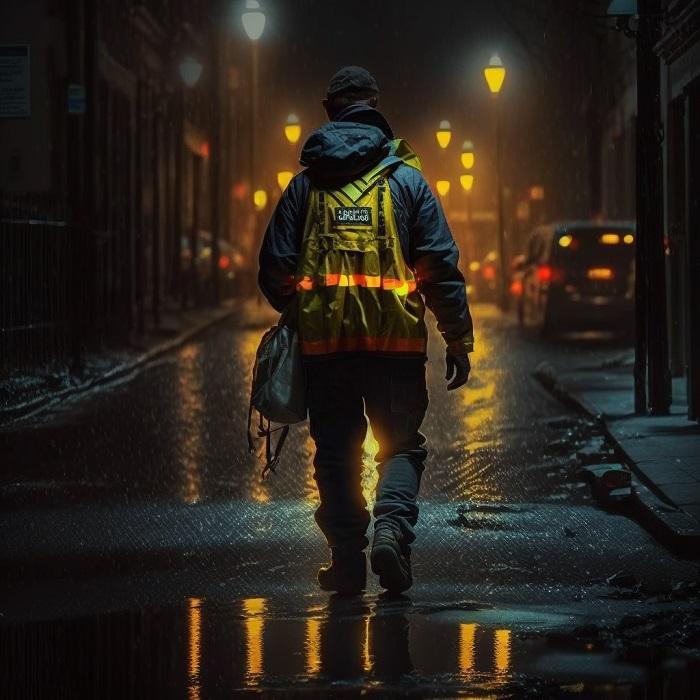
There’s something primal about stepping into the night, when the world slows and the air hums with unseen life. Among the most captivating of these nocturnal encounters is owl watching—a practice that transcends mere observation, tapping into ancient instincts and the quiet magic of the dark. These silent hunters, cloaked in feathered mystery, move with an eerie grace that has fascinated humans for millennia. But to truly appreciate their presence, one must approach the experience with respect, preparation, and a deep understanding of the environment they inhabit. Whether you’re drawn by curiosity, a love of nature, or the thrill of the unseen, owl watching at night offers a rare glimpse into a world that thrives beyond the reach of daylight.
The Allure of the Nocturnal Hunter: Why Owls Fascinate Us
Owls are more than just birds; they are symbols of wisdom, mystery, and the untamed wild. Their large, luminous eyes—adapted for low-light vision—seem to hold secrets of the night, while their silent flight evokes a sense of stealth and precision. This fascination isn’t merely aesthetic; it’s rooted in our evolutionary past. For early humans, the ability to navigate the dark and recognize predators was a matter of survival. Owls, as apex nocturnal hunters, embodied both danger and reverence. Today, that primal connection lingers, drawing us into their world not out of fear, but out of wonder. Their haunting calls, the rhythmic flap of wings, and the fleeting glimpse of a shadow against the moonlight create an experience that feels almost otherworldly.
Choosing the Right Time and Place: Where to Begin Your Quest
The key to successful owl watching lies in timing and location. Owls are most active during the crepuscular hours—dawn and dusk—when their prey is most vulnerable. However, true night owls (both the bird and the enthusiast) know that the hours after midnight often yield the most rewarding sightings. Urban edges, where forests meet farmland or wetlands, are prime territories, as these areas teem with small mammals and insects. Listen for the telltale hoo-hoo-hoo of a great horned owl or the eerie shriek of a barn owl. Remote woodlands, abandoned orchards, and even large parks can also be hotspots. Avoid areas with heavy human disturbance; owls are sensitive to noise and light pollution, which disrupts their hunting patterns.
Essential Gear: Equipping Yourself for the Night
Owl watching demands preparation. The right equipment can mean the difference between a fleeting shadow and a memorable encounter. A high-quality pair of binoculars is non-negotiable—look for models with low-light capabilities and a wide field of view to capture their swift movements. A headlamp with a red-light setting preserves your night vision while illuminating your path, and a sturdy tripod stabilizes your binoculars for prolonged observation. Dress in layers; nighttime temperatures can plummet, and you’ll likely be stationary for extended periods. Consider a portable audio recorder to capture owl calls, which can later be analyzed or shared. For the truly dedicated, a thermal imaging camera reveals heat signatures in the dark, though this technology comes with a steep learning curve and ethical considerations regarding wildlife disturbance.
Mastering the Art of Stealth: Moving Like a Shadow
The owl’s world is one of silence, and your intrusion must be equally hushed. Avoid sudden movements; even the rustle of clothing can spook a bird perched just meters away. Walk slowly, placing each foot deliberately to minimize noise. If using a flashlight, keep it pointed downward or use it sparingly—direct beams can disorient nocturnal creatures. Learn to read the environment: owls often perch on high branches or fence posts, scanning for prey. Position yourself near these vantage points but maintain a respectful distance. Remember, the goal isn’t to invade their space but to witness their natural behavior without altering it. Patience is your greatest ally; the longer you wait, the more likely you are to see an owl in its element.
Understanding Owl Behavior: Reading the Signs
Owls communicate through a complex language of calls, body language, and environmental cues. A series of sharp kewick sounds may signal agitation, while a deep, resonant hoo-hoo often indicates territorial assertion. Watch for head-bobbing or ear-tuft adjustments, which can reveal a bird’s focus or agitation. Pellets—regurgitated fur and bones—are telltale signs of a recent meal and a good indicator of owl activity in the area. Pay attention to the time of year; breeding season (late winter to early spring) brings increased vocalizations as owls establish territories and attract mates. During these periods, owls may be more tolerant of human presence, offering rare opportunities for close observation. However, always prioritize their well-being over your curiosity.
Ethical Considerations: Respecting the Night’s Inhabitants
The thrill of owl watching must never come at the expense of the owls themselves. Avoid using recorded calls to lure owls closer—this disrupts their natural hunting and communication patterns, and in some regions, it’s illegal. Keep a safe distance; if an owl changes its behavior in response to your presence, you’re too close. Never disturb nesting sites, as this can lead to abandoned eggs or chicks. Be mindful of light pollution; even a brief flash of white light can temporarily blind an owl mid-flight. If you’re part of a group, keep voices low and movements coordinated. The goal is to leave no trace—only memories. By adhering to these principles, you ensure that future generations can also experience the magic of owl watching.
Beyond the Sightings: The Deeper Connection to Nature
Owl watching is more than a hobby; it’s a gateway to a deeper relationship with the natural world. In an era where screens dominate our attention, the night offers a rare opportunity to reconnect with the rhythms of the wild. Owls, with their ancient lineage and enigmatic presence, remind us of the mysteries that persist beyond human comprehension. They teach patience, observation, and humility—qualities that extend far beyond the field. Whether you’re tracking the silent flight of a barred owl or listening to the haunting call of a screech owl, each encounter is a reminder of the interconnectedness of all living things. The night is not empty; it’s alive with stories waiting to be discovered.