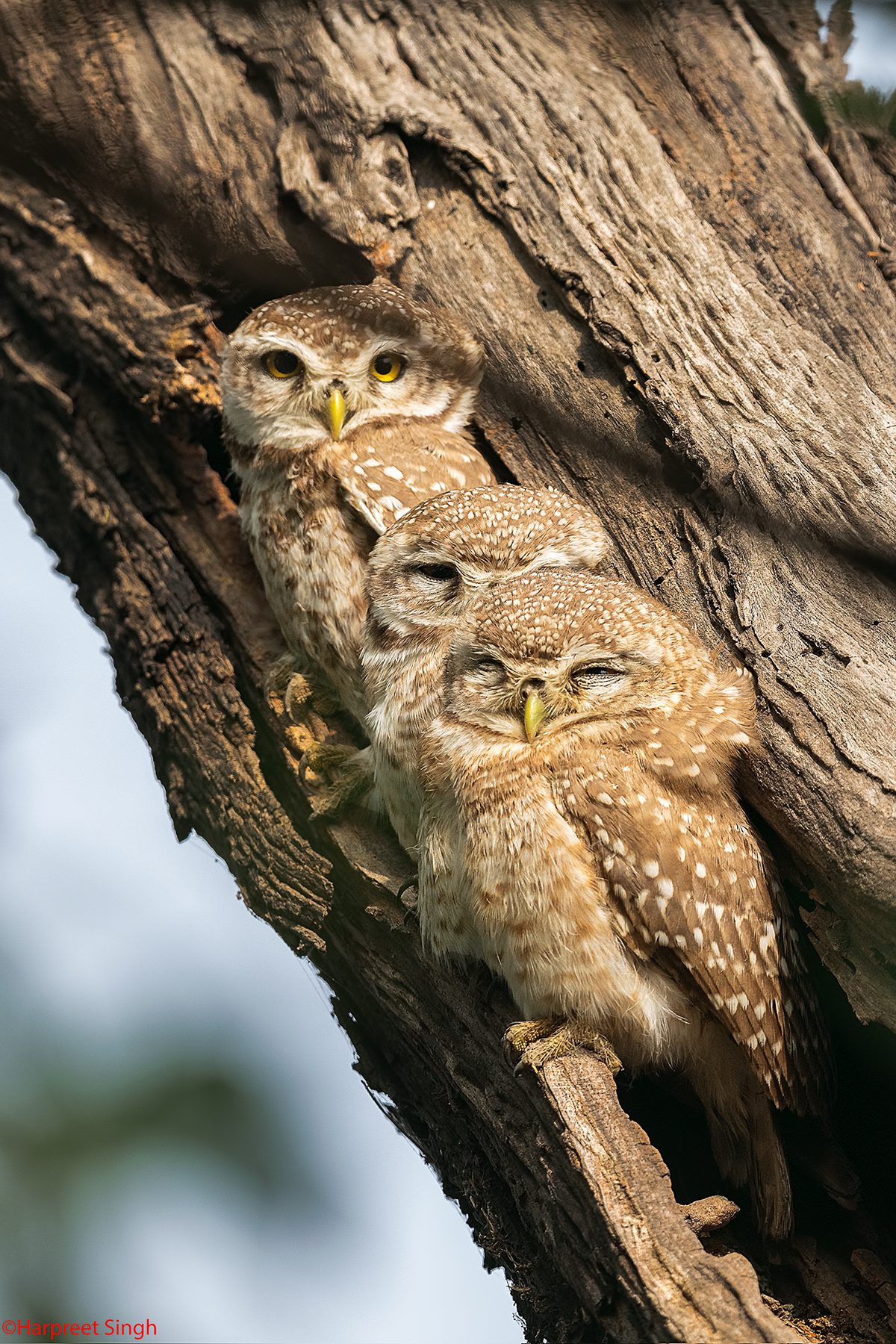
The night descends like a velvet shroud over the Asian continent, and with it emerges a silent symphony of feathers and talons—the owls. These enigmatic creatures, draped in the cloak of dusk, have long been woven into the cultural and ecological tapestry of Asia. Yet, their existence is now hanging by a thread, threatened by the relentless march of human progress. To understand the plight of Asia’s owls is to peer into a world where nature’s sentinels stand at the precipice of oblivion, their haunting calls echoing the fragility of life itself.
The Silent Guardians of the Night: Owls as Ecological Sentinels
Owls are not mere nocturnal hunters; they are the unsung architects of ecological balance. With eyes like twin moons and feathers that whisper through the dark, they embody the paradox of stillness and precision. In Asia, where biodiversity thrives in both lush rainforests and arid steppes, these birds of prey serve as living barometers of environmental health. Their presence—or absence—reveals the silent erosion of habitats long before human eyes can perceive it. To lose an owl is to lose a thread in the intricate web of life, a thread that, once severed, unravels ecosystems in ways we are only beginning to comprehend.
Consider the barn owl, a spectral figure gliding over rice paddies in Southeast Asia. Its role as a natural pest controller is nothing short of legendary; a single individual can devour thousands of rodents in a year, safeguarding crops without a single drop of pesticide. Yet, this silent guardian is now besieged by deforestation and the creeping tide of urbanization. The irony is stark: in our quest to dominate nature, we dismantle the very forces that sustain us.
The Shadows of Exploitation: Illegal Trade and Cultural Misconceptions
Asia’s owls are not just victims of habitat loss; they are hunted, traded, and persecuted under the guise of tradition and superstition. The illegal wildlife trade, a hydra-headed monster, preys upon these birds for their feathers, talons, and even their supposed medicinal properties. In some cultures, owls are cast as omens of death, their hoots misinterpreted as harbingers of doom. This baseless fear has fueled a dark commerce, where owls are plucked from the wild and sold in black markets as exotic curios or “lucky charms.”
The demand for owl parts is a grotesque testament to humanity’s capacity for cruelty. In parts of South Asia, stuffed owls adorn mantelpieces as trophies of misguided conquest, while in East Asia, their bones are ground into powders touted as remedies for ailments ranging from insomnia to heart disease. The scientific community has repeatedly debunked these claims, yet the myth persists, a stubborn relic of ignorance that costs countless owl lives each year. To combat this, education must take center stage—a crusade to replace fear with fascination, superstition with science.
Habitat Hemorrhage: The Unseen Scars of Deforestation and Agriculture
The forests of Asia, once vast and impenetrable, now stand as fragmented relics of their former glory. Logging, agriculture, and infrastructure projects carve through these ancient woodlands, leaving owls with nowhere to nest and nowhere to hunt. The palm oil plantations of Indonesia and Malaysia, for instance, have swallowed entire ecosystems, reducing once-thriving owl populations to isolated pockets of survival. Even in the Himalayas, where the air is thin and the nights are cold, owls face the encroachment of human settlements, their traditional haunts swallowed by concrete and steel.
But the destruction is not confined to forests alone. Wetlands, the hauntingly beautiful marshes and mangroves of Asia, are drained and converted into farmlands or real estate. Here, owls like the fishing owl and the grass owl once thrived, their talons skimming the water’s surface for prey. Today, these birds are pushed to the brink, their habitats reduced to skeletal remains of what they once were. The loss is not just ecological; it is a cultural amputation, severing the ties between people and the natural world that has sustained them for millennia.
Climate Change: The Invisible Threat Looming Over the Night
The specter of climate change casts a long, ominous shadow over Asia’s owls. Shifting weather patterns disrupt the delicate balance of ecosystems, altering prey availability and nesting cycles. In the high-altitude regions of the Himalayas, warming temperatures force owls to migrate to higher altitudes, where the air is thinner and the nights colder. For species like the Tibetan owl, this migration is a death sentence—there is nowhere left to go.
Meanwhile, in the coastal regions, rising sea levels swallow mangroves and saltwater intrusion poisons the wetlands that owls depend on. The irony is cruel: the very forces driving climate change—deforestation, industrialization, fossil fuel consumption—are the same forces that are eroding the habitats of these nocturnal sentinels. To save the owls is to confront the root causes of climate change itself, a daunting but necessary task.
Conservation in Action: Beacons of Hope Amidst the Darkness
Yet, where there is destruction, there is also resilience. Across Asia, conservationists are waging a quiet war against the forces threatening owl populations. In India, the creation of protected areas like the Tadoba-Andhari Tiger Reserve has provided a sanctuary for the elusive forest owlet, a species once thought to be extinct. Similarly, in Thailand, the establishment of the Huai Kha Khaeng Wildlife Sanctuary has given the masked owl a fighting chance against the encroachment of human activity.
Community-led initiatives are also proving to be a game-changer. In the Philippines, local farmers have embraced the barn owl as a natural ally, erecting nest boxes to encourage their presence in rice fields. This simple yet ingenious solution has reduced the need for chemical pesticides, proving that coexistence is not just possible but beneficial. Meanwhile, in Sri Lanka, awareness campaigns are dispelling myths about owls, replacing fear with reverence and encouraging communities to protect these birds rather than persecute them.
Technology, too, is lending a helping hand. Camera traps and satellite tracking are providing invaluable data on owl movements and habitat use, allowing conservationists to tailor their efforts with precision. In Japan, researchers are using bioacoustics to monitor owl populations, their recordings capturing the haunting beauty of these birds in ways that were once unimaginable. These innovations are not just tools; they are lifelines, connecting scientists and citizens in a shared mission to protect Asia’s owls.
The Path Forward: A Call to Reverence and Action
The fate of Asia’s owls is a mirror held up to humanity’s own future. These birds, with their piercing gaze and silent flight, are not just survivors of the night—they are symbols of what we stand to lose if we continue to treat nature as a resource to be exploited rather than a heritage to be cherished. To save them is to save ourselves, to recognize that our fates are intertwined with the creatures that share this planet with us.
The road ahead is fraught with challenges, but it is not without hope. By supporting sustainable agriculture, advocating for stronger wildlife protection laws, and fostering a culture of reverence for these nocturnal guardians, we can turn the tide. The owl’s call, once a lament for a vanishing world, can become a rallying cry for a future where humans and nature coexist in harmony.
Let us heed the lesson of the owl—not as a harbinger of doom, but as a reminder of the delicate balance that sustains life. The night is not a void; it is a canvas, and the owls are its artists. It is up to us to ensure that their masterpiece endures.