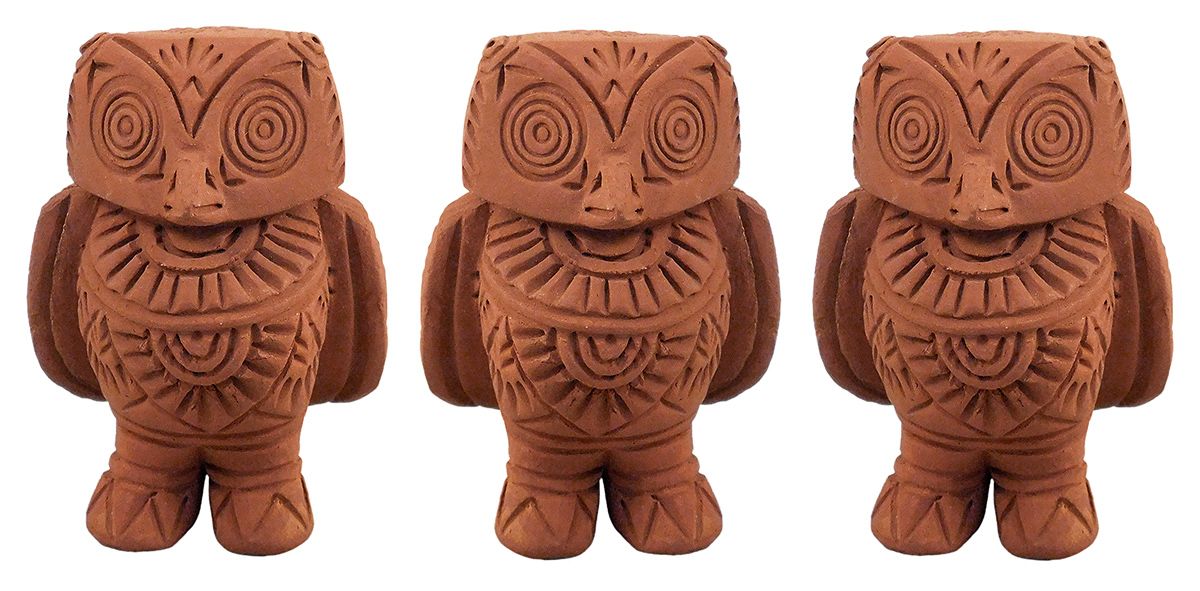
The owl, with its nocturnal gaze and silent flight, has long been a creature of paradox—both revered and reviled across cultures. In Hinduism, however, it transcends mere symbolism to embody a sacred duality: the steadfast companion of Lakshmi, the goddess of wealth and prosperity, and a living emblem of wisdom’s shadowed depths. This enigmatic bird, perched upon the lotus of fortune, whispers secrets of abundance, intuition, and the unseen forces that govern human destiny. To understand the owl in Hinduism is to peer into the heart of a spiritual tradition where divinity and nature intertwine, where every feather and flicker of the eye holds meaning.
The Sacred Bond: Owl as Lakshmi’s Vahana
In the pantheon of Hindu deities, Lakshmi, the radiant goddess of wealth, fortune, and prosperity, is often depicted seated upon a fully bloomed lotus, her four hands cradling symbols of abundance. Yet, her most steadfast companion is not a lion or an elephant, but a humble owl—*ulūka*, as it is known in Sanskrit. This avian vahana (vehicle) is not merely a passive mount; it is an active participant in the goddess’s divine narrative, embodying the paradoxical nature of wealth itself.
The owl’s association with Lakshmi is rooted in the *Puranas*, where it is described as the *Grihadevata* (household deity) of those who seek prosperity. Unlike the eagle or the horse, creatures of daylight and action, the owl thrives in the quietude of night, a time when the world’s distractions fade, and the mind turns inward. This nocturnal alignment mirrors Lakshmi’s role as the bestower of both material and spiritual riches—wealth that is not merely counted in gold but in the quiet accumulation of wisdom and inner peace.
Yet, the owl’s role is not one of blind allegiance. It is a sentinel, a watcher of thresholds, guarding the boundaries between the seen and unseen. In this capacity, it teaches that true wealth is not hoarded but shared, not feared but understood. The owl’s piercing gaze, often misconstrued as ominous, is in truth a reflection of Lakshmi’s own all-seeing presence—a reminder that prosperity is not a static state but a dynamic flow, requiring vigilance and discernment.
The Duality of the Owl: Wisdom and Misfortune
To speak of the owl in Hinduism is to confront a figure of stark duality. On one hand, it is the *Medhavi*, the wise one, the keeper of secrets whispered in the dead of night. On the other, it is the *Shyena*, the harbinger of ill omens, a creature whose hoot in the darkness could portend misfortune. This dichotomy is not a contradiction but a reflection of the owl’s multifaceted symbolism—a bird that does not shy away from the complexities of existence.
In the *Atharva Veda*, the owl is invoked as a guardian against malevolent forces, its presence warding off the *Pishachas* (ghosts) and *Rakshasas* (demons) that lurk in the shadows. Yet, in folk traditions, its call is often met with superstition, a sign that one should pause, reflect, or even reconsider one’s path. This duality is mirrored in human nature itself: the owl is both the scholar’s companion and the traveler’s caution, the seeker’s guide and the lost soul’s warning.
The owl’s association with misfortune stems from its solitary nature and its preference for the unseen. Unlike the crow, a creature of daylight and communal life, the owl is a loner, a creature of the margins. This isolation has led to its reputation as an omen of death or decay in some traditions. Yet, in Hinduism, even these darker associations are not rejected but integrated. The owl’s presence in the twilight hours reminds us that wealth, like life itself, is transient. To fear the owl is to fear the inevitability of change—a lesson as much about loss as it is about gain.
Iconography and Rituals: The Owl in Hindu Art and Practice
The owl’s sacred status is immortalized in Hindu iconography, where it is often depicted alongside Lakshmi in temples and manuscripts. In these representations, the owl is not merely a passive figure but an active participant in the goddess’s grace. It is sometimes shown perched on her lap, its wings slightly spread as if ready to take flight, or nestled at her feet, a silent guardian of her blessings. The owl’s presence in these depictions is never accidental; it is a deliberate symbol of the inseparable link between wisdom and prosperity.
Rituals involving the owl are rare but significant. During *Diwali*, the festival of lights, images of Lakshmi and her owl vahana are placed in homes and businesses, inviting the goddess’s blessings. Some traditions hold that feeding owls during this time—offering grains or milk—ensures continued prosperity. The act is not one of superstition but of reciprocity: the owl, as Lakshmi’s companion, is seen as a conduit of her grace, and feeding it is a way of honoring that connection.
In tantric practices, the owl is sometimes associated with the *Kundalini Shakti*, the serpentine energy that lies dormant at the base of the spine. The owl’s ability to see in the dark is likened to the awakened Kundalini, which illuminates the hidden paths of the self. This esoteric connection underscores the owl’s role as a guide not just to material wealth but to the deeper treasures of self-realization.
The Owl in Myth and Folklore: Stories of Fortune and Folly
Hindu mythology is replete with tales where the owl plays a pivotal role, often as a silent observer or a wise counselor. One such story tells of a poor woodcutter who, while chopping wood at night, hears the hoot of an owl. Ignoring the warnings of his neighbors, he follows the sound and stumbles upon a hidden cache of gold. The owl, in this tale, is not just a bird but a celestial messenger, its call a bridge between the mundane and the miraculous.
Conversely, another folktale warns of the dangers of greed. A merchant, lured by the promise of wealth, sets out to capture an owl he believes holds a jewel in its beak. His pursuit leads him deep into the forest, where he is beset by bandits and wild animals. The owl, ever watchful, does not intervene directly but allows the merchant’s folly to unfold, teaching that wealth gained through deceit or force is fleeting. The owl, in this story, is the embodiment of *Dharma*—the moral order that governs prosperity.
These stories, passed down through generations, serve as moral compasses, reminding listeners that the owl’s wisdom is not to be taken lightly. It is a creature that sees what others cannot, that knows the true price of fortune, and that warns against the hubris of those who seek wealth without understanding its deeper meanings.
Modern Interpretations: The Owl as a Living Symbol
In contemporary times, the owl’s symbolism has evolved beyond the confines of religious texts and rituals. It has become a global emblem of wisdom, adopted by universities, libraries, and even financial institutions. Yet, in Hinduism, its meaning remains rooted in the ancient understanding of wealth as a holistic concept—one that encompasses not just material abundance but spiritual fulfillment.
For modern Hindus, the owl is a reminder that prosperity is not merely about accumulating riches but about cultivating discernment, intuition, and a deep connection to the unseen forces of the universe. It is a call to look beyond the surface, to question the nature of true wealth, and to recognize that the quietest creatures often hold the greatest wisdom.
The owl, in this light, is not just Lakshmi’s vahana but a mirror held up to humanity. It reflects our fears, our desires, and our capacity for both folly and enlightenment. To embrace the owl is to embrace the full spectrum of existence—to see the darkness not as a void but as a space where secrets are kept, where wisdom is nurtured, and where the seeds of future prosperity are sown.