The world is ablaze—literally. As wildfires scorch the earth and hurricanes carve paths of destruction, nature’s most vulnerable creatures find themselves caught in the chaos. Among them, the owl, a silent sentinel of the night, faces an unexpected peril: displacement. But what happens when these feathered guardians of the dark become refugees in their own habitats? How do we, as stewards of this planet, step in when disaster strikes and the skies themselves seem to turn against them?
When the Sky Turns Against Them: The Plight of Owls in Wildfires
The Great Horned Owl, with its piercing amber eyes and haunting hoots, is no stranger to the wild. Yet when wildfires ravage the forests, these birds face a harrowing dilemma—flight or fight. The air thickens with smoke, the trees become infernos, and the once-familiar terrain is reduced to smoldering ruins. For an owl, whose survival hinges on stealth and precision, the chaos is disorienting. Their nests, often perched high in the branches, become death traps as flames lick at the bark. Even those who manage to escape may find themselves grounded, their wings singed, their instincts betrayed by a sky that no longer belongs to them.
But here’s the twist: owls are survivors. Their resilience is legendary. While some may flee to safer grounds, others cling to the edges of the disaster zone, their keen eyes scanning the smoldering landscape for any sign of life. Yet survival comes at a cost. The loss of habitat means fewer prey, fewer nesting sites, and a future shrouded in uncertainty. How do we, as humans, ensure that these nocturnal guardians don’t become casualties of our own making?
The Hurricane’s Wrath: When Wind and Water Collide with Winged Refugees
If wildfires are the earth’s fury, hurricanes are its tempestuous tantrum. With winds that can uproot centuries-old trees and storm surges that swallow coastlines whole, these meteorological monsters leave no creature untouched. For owls, whose territories often span coastal forests and mangrove swamps, the impact is catastrophic. A hurricane doesn’t just destroy—they erase. Nesting sites vanish beneath rising waters. Hunting grounds are submerged. And the once-tranquil night becomes a symphony of howling winds and crashing debris.
Yet, even in the aftermath, owls persist. Some take refuge in the hollows of surviving trees, their feathers ruffled but their spirits unbroken. Others, displaced entirely, may wander into unfamiliar territories, where they face competition from resident owls and the ever-present threat of human encroachment. The challenge? Rebuilding a life when the very landscape has been rewritten by the storm. Can we, as a species, offer more than just temporary aid? Can we ensure that these birds have a future beyond the disaster?
The Unsung Heroes: Wildlife Responders in the Eye of the Storm
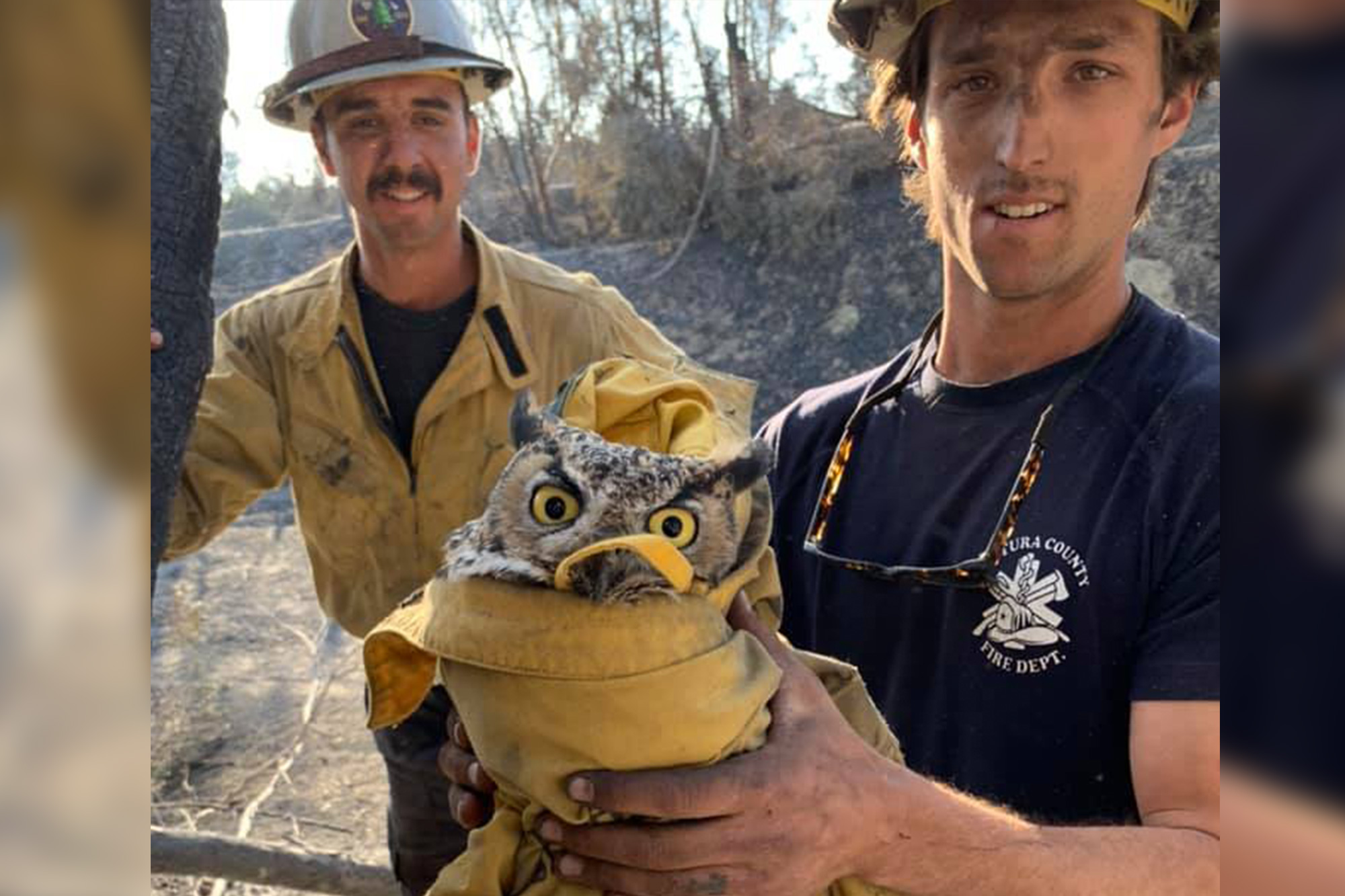
Enter the unsung heroes—wildlife responders, veterinarians, and conservationists who brave the chaos to save what they can. These are the people who don’t just watch the news footage of charred forests or flooded towns; they roll up their sleeves and dive into the fray. With nets in hand and tranquilizer darts at the ready, they venture into the disaster zones to rescue injured owls, relocate displaced pairs, and rehabilitate those whose wings have been singed by flames or battered by winds.
But it’s not just about the rescue—it’s about the rehabilitation. A singed owl, once a master of the night, may struggle to hunt or fly. A displaced pair may refuse to nest in unfamiliar territory. The challenge is immense, and the resources are often stretched thin. Yet, these responders persist, driven by a quiet determination to give these birds a second chance. They understand that every owl saved is a thread in the tapestry of the ecosystem, a reminder that even in the darkest hours, life finds a way.
From Rescue to Recovery: The Long Road Back for Owls
The journey from disaster to recovery is a marathon, not a sprint. For owls, the road is fraught with obstacles. Even after the flames are extinguished or the waters recede, the landscape remains scarred. Food sources are scarce. Predators, emboldened by the chaos, may move in. And the psychological toll—imagine being an owl, stripped of your home and forced into a world that no longer makes sense. How do we help them reclaim their place in the world?
Conservationists employ a multi-pronged approach. Nest boxes are installed in safe zones, offering displaced owls a fighting chance to rebuild their lives. Habitat restoration projects aim to replant native vegetation, creating corridors for owls to return to their ancestral lands. And in some cases, captive breeding programs are initiated to bolster dwindling populations. Yet, the real challenge lies in addressing the root causes of these disasters—climate change, deforestation, and human encroachment. Without systemic change, the cycle of destruction will only continue.
The Ripple Effect: Why Saving an Owl Matters More Than You Think
At first glance, an owl rescue might seem like a drop in the ocean. But the truth is far more profound. Owls are apex predators, the silent regulators of the night. Their presence keeps rodent populations in check, maintains the balance of the food chain, and even influences the health of the forests they inhabit. When owls disappear, the ecosystem falters. Insects multiply unchecked. Small mammals overrun the landscape. The forest, once a thriving community, becomes a shadow of its former self.
So, when we save an owl, we’re not just saving a bird. We’re saving a lifeline. We’re preserving the delicate balance of nature itself. And perhaps, in doing so, we remind ourselves that we, too, are part of this intricate web. That our actions—whether in the face of disaster or in the quiet moments of everyday life—have consequences far beyond what we can see.
The Call to Action: How You Can Be a Guardian of the Night
The question isn’t just about what we can do for owls in disaster zones—it’s about what we can do for the planet that sustains them. Every choice matters. Supporting conservation organizations that specialize in wildlife rescue and habitat restoration is a start. Advocating for policies that address climate change and protect natural habitats is another. Even something as simple as creating a wildlife-friendly garden or reducing your carbon footprint can make a difference.
But perhaps the most powerful action is awareness. Share the stories of these feathered survivors. Educate others about the challenges they face. Because in a world where disasters are becoming increasingly frequent, the owls—and the ecosystems they represent—need all the allies they can get. The night is dark, but it’s not without hope. And with every owl that takes flight again, we’re reminded that resilience is not just a trait of the wild—it’s a testament to the power of second chances.