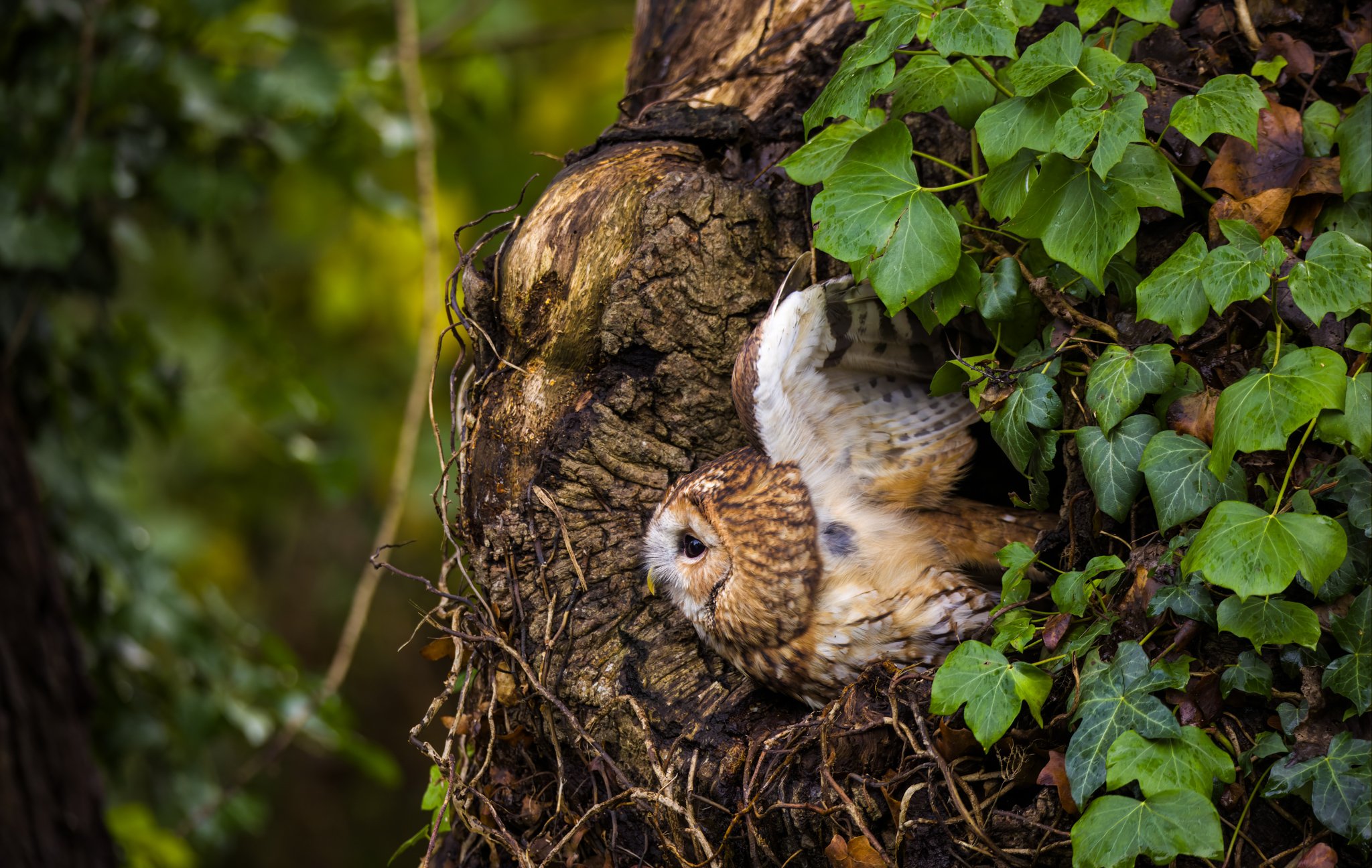
There is something profoundly mystical about the silent flight of an owl cutting through the dusk, its golden eyes reflecting the last embers of daylight. These nocturnal sentinels have long been woven into the fabric of human imagination—harbingers of wisdom, omens of change, or whispers of the unseen. Yet beyond their symbolic allure lies a pressing ecological reality: the decline of owl populations across continents, a silent crisis often overlooked in the shadow of more charismatic species. Citizen science apps, those unassuming digital tools nestled in the palms of everyday observers, are emerging as unsung heroes in this narrative. They are transforming passive wonder into active conservation, turning the casual glance skyward into a data point that could chart the future of these enigmatic birds.
The Democratization of Wildlife Observation
For centuries, the study of owls was the domain of seasoned ornithologists, equipped with binoculars, field guides, and an almost monastic patience. But the rise of citizen science apps has shattered these barriers, placing the power of observation—and data collection—into the hands of anyone with a smartphone. Platforms like iNaturalist, eBird, and specialized owl-tracking apps have turned parks, backyards, and even urban alleyways into potential research sites. No longer is wildlife monitoring confined to remote forests or funded expeditions; it now thrives in the mundane and the extraordinary alike.
This democratization does more than expand datasets—it fosters a cultural shift. When a child in a bustling city logs a barred owl sighting from a fire escape, or a retiree in a rural town uploads a photo of a barn owl nesting in a barn loft, they become part of a global tapestry of ecological awareness. The act of observation becomes an act of stewardship, bridging the gap between human curiosity and environmental responsibility. In this way, citizen science doesn’t just collect data; it cultivates a collective consciousness, one where every sighting is a thread in the larger story of biodiversity.
From Anecdote to Action: How Data Transforms Perception
There is a common observation that owl sightings seem to be dwindling—fewer hoots echoing through the night, fewer silhouettes gliding over moonlit fields. But anecdotes alone cannot compel policy or inspire conservation efforts. Citizen science apps bridge this chasm by converting fleeting moments of wonder into quantifiable evidence. When thousands of users across a region report consistent declines in owl sightings over a decade, the data becomes undeniable. It transforms from a vague feeling of loss into a call to action.
This transformation is particularly vital for owls, whose elusive nature makes traditional population studies challenging. Unlike songbirds that announce their presence with dawn choruses, owls communicate in whispers—soft hoots, screeches, or the occasional wing clap. Their cryptic behaviors often render them invisible to casual observers. Yet, through apps, even the most subtle signs—a feather found on a hiking trail, a pair of glowing eyes in a camera trap—can be logged and analyzed. Over time, these fragmented observations coalesce into a clearer picture of owl distribution, migration patterns, and habitat use, revealing trends that might otherwise remain obscured.
The Alchemy of Crowdsourced Intelligence
Citizen science is not merely about collecting data; it is about refining it. The sheer volume of observations uploaded to these platforms necessitates sophisticated algorithms and machine learning to filter noise from signal. Apps often incorporate image recognition software to identify owl species from photos, reducing misidentifications that plague manual data entry. Some platforms even use acoustic analysis to detect owl calls from audio recordings, turning the night into a symphony of data.
But the true magic lies in the community. Citizen scientists are not passive contributors; they are active collaborators. They verify each other’s observations, debate identifications, and share insights in forums and comment threads. This peer-review process, akin to a digital campfire where knowledge is exchanged, ensures that the data remains robust. It also fosters a sense of ownership among participants, who see their contributions directly influencing research and conservation strategies. In this ecosystem, every logged sighting is a vote for the owl’s survival—a vote that grows louder with each passing season.
Urban Owls: The Unlikely Survivors
One of the most surprising revelations from citizen science data is the resilience of owls in urban environments. While many species struggle with habitat loss, some owls—particularly the adaptable great horned owl and the diminutive eastern screech-owl—have carved out niches in city parks, industrial zones, and even downtown districts. Apps have documented these urban pioneers, revealing how they exploit artificial lighting to hunt, nest in abandoned buildings, and even raise chicks in the heart of concrete jungles.
This urban adaptation challenges long-held assumptions about owl ecology. It suggests that these birds are far more flexible than previously believed, capable of thriving in landscapes reshaped by human hands. Yet, their presence in cities is a double-edged sword. While it speaks to their adaptability, it also highlights the fragility of urban ecosystems. Pollution, light pollution, and rodenticides—common in cities—pose significant threats. Citizen science apps are crucial in monitoring these urban populations, providing data that can inform policies on green space preservation, pesticide regulation, and artificial light management. In doing so, they remind us that conservation is not just about protecting wilderness, but about reimagining coexistence in the Anthropocene.
The Emotional Resonance of Citizen Science
Beyond the spreadsheets and algorithms, citizen science apps tap into something deeper: the human fascination with the unknown. Owls, with their nocturnal habits and inscrutable gaze, embody mystery. When an app user uploads a photo of an owl perched on a fence post, they are not just recording data—they are capturing a moment of connection. That connection, multiplied across thousands of users, becomes a cultural force. It fuels public interest in conservation, drives funding for research, and even inspires art, literature, and local initiatives dedicated to owl protection.
This emotional resonance is perhaps the most potent tool in the citizen science arsenal. In an era where ecological crises often feel abstract and distant, apps provide a tangible link between individuals and the natural world. They transform the abstract concept of biodiversity loss into a personal story—a tale of a barred owl named Luna spotted in the same tree for five consecutive winters, or a family of barn owls that vanished after a new housing development broke ground. These stories are the heart of conservation, and citizen science apps are the vessels that carry them forward.
Challenges and the Path Forward
Of course, the rise of citizen science is not without its challenges. Data quality remains a persistent concern, as misidentifications or poorly documented sightings can skew results. Privacy issues arise when sensitive owl nesting sites are inadvertently exposed to poachers or collectors. And not all participants have equal access to technology, creating disparities in who can contribute to—and benefit from—these platforms.
Yet, these challenges are not insurmountable. Ongoing advancements in AI-assisted identification, stricter data validation protocols, and community-led training programs are steadily improving the reliability of citizen science data. Meanwhile, partnerships between app developers, conservation organizations, and local communities are ensuring that these tools remain inclusive and equitable. The key lies in recognizing that citizen science is not a panacea, but a vital piece of a larger puzzle—one that demands collaboration, transparency, and a shared commitment to the wild.
The Silent Revolution
The next time you hear an owl’s call echoing through the night, pause for a moment. That sound is not just a reminder of nature’s beauty; it is a call to action. Citizen science apps have turned the act of looking up into a revolutionary act—one that empowers individuals to shape the future of wildlife conservation. They have democratized ecology, transformed anecdotes into evidence, and woven the threads of human curiosity into the fabric of environmental stewardship.
Owls, those silent guardians of the dark, are more than symbols. They are indicators of ecological health, barometers of environmental change. And through the quiet hum of citizen science apps, they are finally getting the attention—and the protection—they deserve. The revolution may be silent, but its impact is anything but.