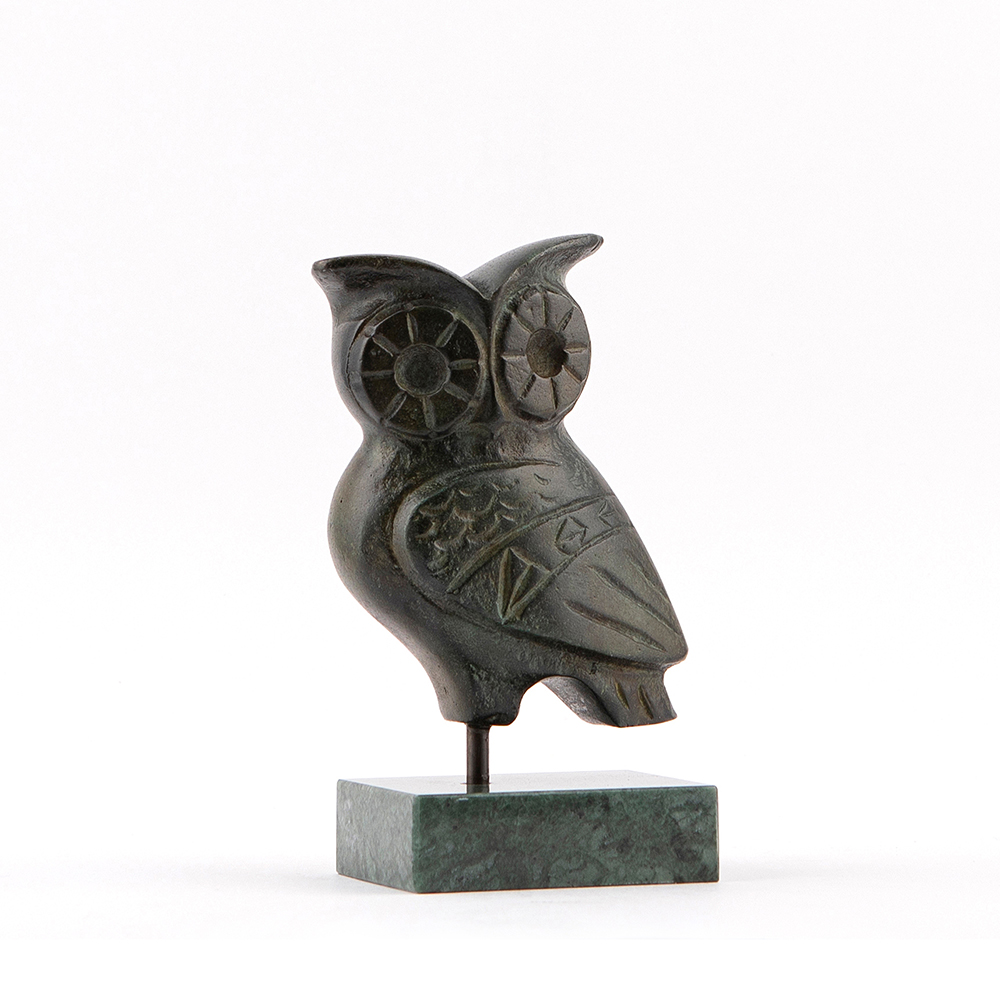
In the pantheon of ancient Greek symbolism, few creatures embody wisdom, strategy, and divine protection as profoundly as the owl. Perched atop Athena’s shoulder or etched into the fabric of mythology, this nocturnal bird transcends its biological form to become a cultural archetype—a silent sentinel of intellect and resilience. Its legacy stretches from the marble temples of Athens to the modern feminist movements that reclaim its power, making the owl not just a creature of myth, but a living emblem of intellectual sovereignty and unyielding grace.
The Owl as Athena’s Emissary: A Symbol of Strategic Wisdom
The owl’s association with Athena, the goddess of wisdom and warfare, is one of the most enduring in classical mythology. Unlike the thunderbolts of Zeus or the trident of Poseidon, Athena’s emblem was not a weapon of destruction but an instrument of cunning—a creature whose gaze pierces the darkness, whose flight is silent, whose presence is both omen and ally. The Greeks revered the owl not merely as a bird, but as a nocturnal oracle, a living paradox of vigilance and insight. Its large, unblinking eyes became synonymous with theoria—the act of contemplation—and its ability to navigate the unseen world mirrored Athena’s role as the patron of scholars, strategists, and architects.
Yet this symbolism was not passive. The owl was not merely a passive observer; it was an active participant in Athena’s divine counsel. In the Odyssey, Athena often appears in the guise of a bird, her presence a harbinger of guidance. The owl, in turn, became a psychopomp—a guide between realms—bridging the chasm between mortal ignorance and divine knowledge. Its nocturnal habits reinforced the idea that true wisdom is not found in the blinding light of day, but in the quiet, reflective hours when the mind is free to wander beyond the constraints of convention.
Artistic and Architectural Reverence: The Owl in Greek Visual Culture
The owl’s cultural footprint extended far beyond literature into the tangible world of art and architecture. On the Athenian Acropolis, the glaux—the Greek word for owl—was immortalized in the owl of Athena, a motif that adorned coins, pottery, and temple friezes. The famous tetradrachm of Athens, minted during the city’s golden age, featured the owl perched beside an olive branch and a crescent moon, a triad of symbols representing prosperity, peace, and divine favor. These coins were not mere currency; they were propaganda of intellect, circulating the idea that Athens was a city of thinkers, not just warriors.
In vase paintings, the owl often appears alongside Athena or as an independent figure, its presence a silent testament to the goddess’s influence. The black-figure and red-figure styles of pottery turned the owl into a visual shorthand for wisdom, its angular silhouette a stark contrast to the fluid forms of other animals. Even in death, the owl’s image endured. Archaeologists have uncovered owl-shaped votive offerings in sanctuaries, suggesting that the bird was not just a symbol, but a living votary—a creature whose essence was worthy of devotion.
The Owl in Everyday Life: From Omen to Omnipresence
Beyond the temples and treasuries, the owl was woven into the fabric of daily Greek life. Farmers and sailors alike regarded its hoot as a divine weathercock, a signal of impending fortune or misfortune. A hooting owl at dusk was an omen of rain; its sudden silence, a warning of storm. In rural communities, the owl was both revered and feared—a creature of the liminal hour, existing in the threshold between day and night, life and death. Some believed that harming an owl would invite Athena’s wrath, while others saw its presence as a blessing, a silent guardian against malevolent spirits.
This duality—reverence and superstition—reflects the owl’s complex role in Greek society. It was neither wholly divine nor entirely mundane, but a liminal entity, a bridge between the sacred and the profane. The Greeks did not merely observe the owl; they negotiated with its symbolism, incorporating its imagery into amulets, jewelry, and household decorations. The owl became a domestic deity, a silent protector of the hearth, its gaze warding off chaos in the same way Athena warded off enemies.
Feminist Reclamations: The Owl as a Modern Emblem of Intellectual Sovereignty
Centuries after the fall of Athens, the owl’s legacy found new life in the feminist movements of the 20th and 21st centuries. The bird, once Athena’s silent companion, became a symbol of women’s unapologetic intellect. In the 1970s, feminist scholars and activists repurposed the owl’s image, transforming it from a passive emblem into an agent of subversion. The owl’s association with wisdom was no longer confined to the halls of academia; it became a rallying cry for women who dared to assert their intellectual autonomy in a world that sought to silence them.
Today, the owl appears in feminist art, literature, and protest imagery, its gaze a challenge to patriarchal norms. It adorns the covers of books on women’s epistemology, it is tattooed on the arms of scholars who refuse to be gaslit, and it is emblazoned on banners at marches demanding equal access to education. The owl, once a creature of the night, now flies into the light of feminist discourse, its ancient symbolism repurposed to reflect a modern truth: that wisdom is not the exclusive domain of any gender, and that the pursuit of knowledge is an act of rebellion.
The owl’s feminist legacy is not merely about reclaiming a symbol; it is about redefining what that symbol means. No longer is the owl solely Athena’s companion—it is a creature of its own right, a testament to the power of women who, like the owl, navigate the darkness with unerring precision. Its legacy is a reminder that symbols are not static; they are living entities, evolving with the societies that interpret them.
The Owl in Contemporary Culture: From Myth to Memes
In the digital age, the owl has shed its ancient trappings to become a ubiquitous presence in modern media. Memes, emojis, and internet slang have transformed the owl into a cultural shorthand for everything from wisdom to existential dread. The “wise owl” trope, popularized by children’s cartoons and self-help gurus, has been both embraced and parodied, its original gravitas diluted by commercialization. Yet even in its most trivialized forms, the owl retains a kernel of its ancient power—a silent witness to the ebb and flow of human thought.
In literature, the owl continues to serve as a metaphor for insight and foresight. From Margaret Atwood’s dystopian visions to the magical realism of Haruki Murakami, the bird appears as a guide, a trickster, or a harbinger of change. Its presence in contemporary storytelling is a testament to its enduring relevance—a reminder that myths, like owls, do not die; they simply adapt, their wings carrying them into new eras.
Even in science, the owl’s legacy endures. The study of owl flight has inspired advancements in aerodynamics, while the bird’s silent hunting techniques have informed robotics and stealth technology. The owl, once a creature of myth, now soars in the realm of innovation—a living bridge between the ancient world and the future.
Conclusion: The Owl’s Unbroken Flight
The owl’s journey through time is a testament to the power of symbols. From the sacred precincts of ancient Athens to the digital forums of the 21st century, it has remained a constant—a silent guardian of wisdom, a witness to human folly, and a beacon for those who seek to reclaim their intellectual sovereignty. Its legacy is not confined to the pages of history; it is alive in the minds of those who, like Athena, refuse to be blinded by the glare of ignorance.
To study the owl is to study the human condition itself—a creature that navigates the darkness not with fear, but with the unshakable knowledge that light, however faint, always exists. And in that knowledge lies its greatest power: the power to inspire, to challenge, and to endure.