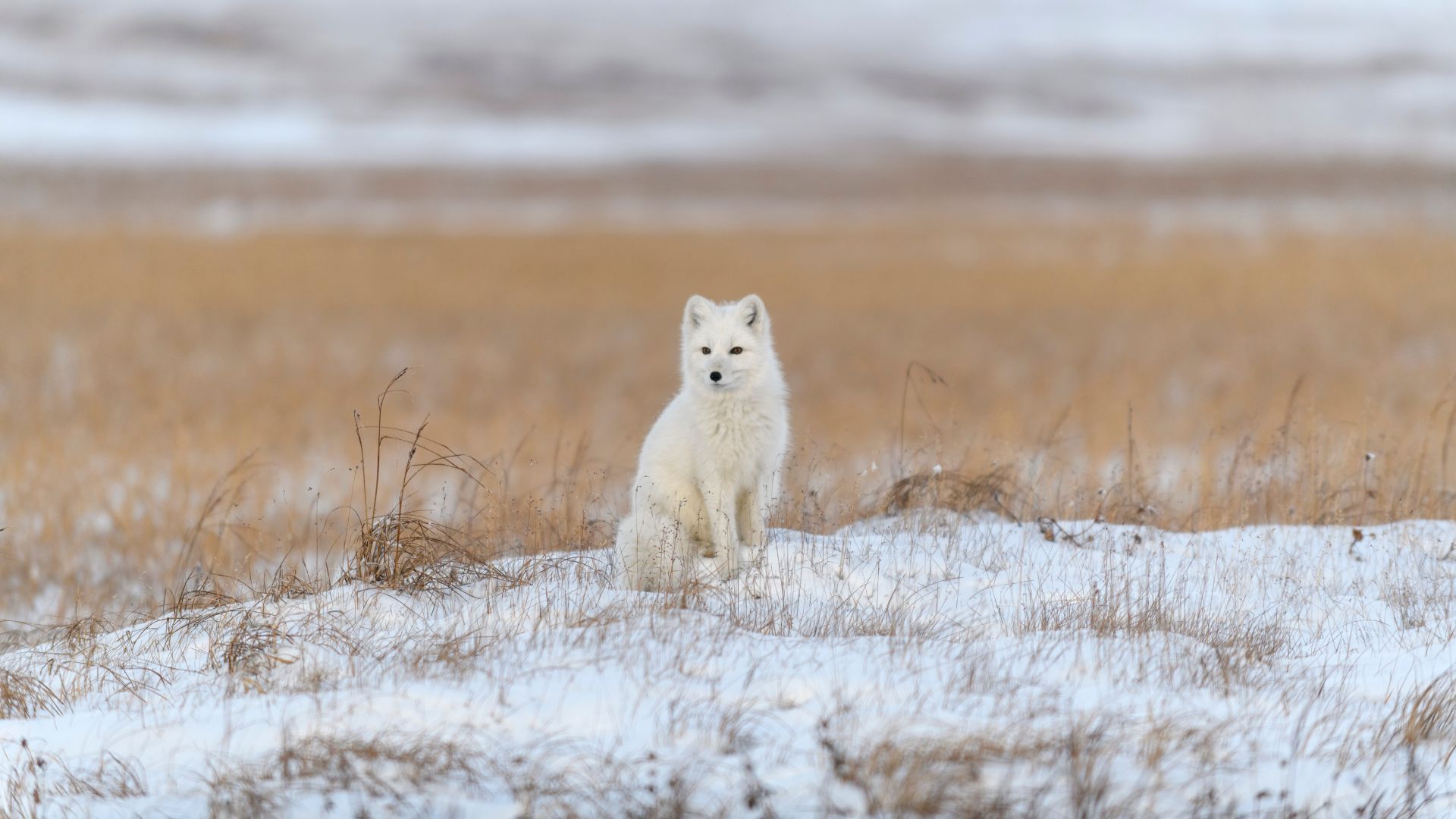
The Arctic, long perceived as an austere and desolate expanse, is undergoing a subtle but profound transformation. This phenomenon, known as Arctic greening, is reshaping the biome’s intricate delicacy and, with it, the fate of the iconic snowy owl. As verdant hues creep across once barren tundra, the ecosystem’s balance teeters between renewal and upheaval. The snowy owl, a sentinel of the Arctic skies and a master of survival in the harshest conditions, now confronts shifting habitats that redefine its very existence.
The Phenomenon of Arctic Greening: A Botanical Renaissance
Arctic greening describes the proliferation of shrubs, grasses, and other green vegetation across the tundra, driven largely by rising temperatures and extended growing seasons. This botanical renaissance spawns a mosaic of microhabitats unlike the uniform, treeless stretches that traditionally characterize the region. The expansion of woody plants and dense ground cover introduces complexity into the landscape, disrupting the long-standing equilibrium between flora and fauna. This greening trend, often visualized by satellite imagery glowing with flourishing greens, signals a profound climatic and ecological shift.
Snowy Owls: Guardians of the Tundra
Snowy owls (Bubo scandiacus) epitomize Arctic resilience, their pristine white plumage blending seamlessly with snowy expanses. These raptors rely on open, treeless terrains for hunting and nesting, stalking lemmings and other small mammals with acute precision. Their breeding success hinges on the availability of expansive, exposed tundra where prey visibility is unhindered. Their reliance on such habitats makes the owls emblematic indicators of Arctic ecosystem health, particularly as environmental changes cascade through the food web.
Habitat Alteration and Nesting Challenges
The infiltration of shrubs and taller vegetation into traditional snowy owl hunting and nesting grounds poses tangible challenges. Dense thickets obscure sightlines, impeding the owl’s ability to detect prey from a distance. Additionally, the increased cover benefits competing predators and parasites, introducing new threats. Nesting sites, historically chosen on flat, open ground, may become scarce or less suitable amid encroaching shrubbery. Such environmental modifications compel snowy owls to expend greater energy locating optimal territories, potentially diminishing reproductive success.
Shifts in Prey Dynamics and Food Availability
Surging vegetation alters the composition and abundance of small mammal populations, particularly the lemmings the owls depend upon. While some rodent species may proliferate under altered vegetative conditions, others may decline or shift their ranges. This flux impacts the owls’ foraging efficiency and dietary composition. The change from a tundra ecosystem governed by low-lying plants to one increasingly woody and complex fosters a cascade of ecological ripple effects, resulting in prey populations that are less predictable and more fragmented.
Ecological Interactions and Competitive Pressures
As Arctic greening progresses, new species—including shrubs, insects, and opportunistic birds—colonize the changing landscape. This influx can intensify interspecific competition, especially among predatory birds. Species that historically did not overlap extensively with snowy owls may encroach on their territory, competing for limited prey resources or favoring altered habitats. Furthermore, novel parasites and diseases might arise in these transformed ecological niches, further stressing snowy owl populations already challenged by environmental instability.
Climate Feedback Loops and Long-Term Consequences
The greening of the Arctic feeds into climate feedback mechanisms, such as decreased albedo, which accelerates regional warming. These feedbacks create a perpetually shifting habitat that snow owls must continuously adapt to. Longer growing seasons and reduced snow cover alter the timing of ecological events, including prey breeding cycles, which may desynchronize with snowy owl reproductive timing. The long-term viability of snowy owl populations hinges on their capacity for adaptation amidst an accelerating pace of environmental change—a formidable test of resilience.
Conservation Strategies Amid a Changing Arctic
Effective conservation requires an integrated approach that embraces the complexity of Arctic greening. Protecting traditional open tundra habitats remains essential, but conservationists must also consider emerging vegetative zones and their implications for snowy owl survival. Monitoring programs that track population trends and habitat transformations are vital. Adaptive management, incorporating climate models and ecological forecasting, can inform strategies that enhance habitat connectivity and safeguard prey populations. Restoration efforts may also focus on mitigating shrub overgrowth in critical nesting areas to preserve the open vistas snowy owls need.
Research Frontiers and Knowledge Gaps
Despite advances, our understanding of how Arctic greening will ultimately sculpt snowy owl fortunes is incomplete. Research must delve into the nuanced effects of vegetation shifts on prey dynamics, predator-prey interactions, and landscape connectivity. Longitudinal studies spanning multiple breeding seasons will illuminate adaptive behaviors and survival thresholds. Interdisciplinary approaches combining remote sensing, field ecology, and climate science are paramount to unraveling the multifaceted impacts of greening. These insights will empower more precise, evidence-based interventions to secure a future for snowy owls amid an evolving Arctic tapestry.
Embracing the Complexity of Arctic Transformation
The story of Arctic greening and snowy owl habitats is not one of simple decline or immediate catastrophe. It is a narrative of complexity, adaptation, and the relentless force of change reshaping a once immutable landscape. The snowy owl, a symbol of the Arctic’s stark beauty and resilience, now navigates a world in flux—one where green shadows lengthen over the snow. Recognizing and honoring this complexity equips us to better steward these fragile ecosystems and inspire collective action for their protection.