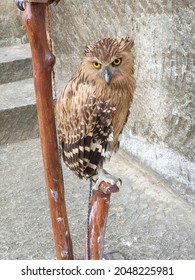
The silent sentinels of the night, owls, have long captivated humanity with their piercing gaze and enigmatic presence. Yet beyond their mystique lies a fragile existence, one increasingly threatened by habitat loss, vehicular collisions, and environmental toxins. As stewards of the natural world, we face a moral imperative: to ensure these magnificent creatures not only survive but thrive. The future of owl rehabilitation hinges on groundbreaking advances in veterinary care, where science meets compassion to mend broken wings and shattered lives. This evolution in treatment is not merely a scientific endeavor—it is a testament to our evolving relationship with the wild, where every life saved echoes through the forest canopy.
The Renaissance of Avian Veterinary Medicine
The field of avian veterinary medicine has undergone a quiet revolution, shifting from reactive care to proactive, precision-based interventions. Gone are the days when a fractured wing meant a life sentence of captivity. Today, cutting-edge imaging technologies—such as high-resolution CT scans and 3D modeling—allow veterinarians to peer into an owl’s physiology with unparalleled clarity. These tools reveal not just the extent of an injury but the intricate interplay of bones, tendons, and feathers, enabling surgeons to craft bespoke treatment plans. The integration of bioengineered scaffolds, mimicking the owl’s lightweight yet robust skeletal structure, has further refined recovery protocols, ensuring that rehabilitated birds retain their predatory agility.
From Splints to Smart Prosthetics: The Technological Leap
Imagine an owl perched on a branch, its talons gripping with the same precision as before an accident. This is no longer a fantasy but a reality shaped by the fusion of veterinary science and robotics. Modern rehabilitation centers now employ lightweight, biodegradable prosthetics that integrate seamlessly with an owl’s anatomy. These devices, often fashioned from carbon-fiber composites, are designed to degrade naturally as the bird’s own tissue regenerates. The innovation extends to smart orthotics—embedded with micro-sensors that monitor healing progress in real time, alerting veterinarians to complications before they arise. Such advancements are not just about restoring function; they are about preserving the owl’s essence as a nocturnal hunter, ensuring it can return to the skies with undiminished prowess.
The Psychological Dimension: Healing the Invisible Wounds
Rehabilitation is not solely a physical endeavor. Owls, like all sentient beings, bear emotional scars from trauma. A collision with a vehicle or a fall from a nest can leave indelible psychological imprints, manifesting as chronic stress or behavioral disorders. Pioneering rehabilitation programs now incorporate environmental enrichment techniques tailored to each owl’s species-specific instincts. For the barn owl, this might mean simulated nighttime hunting grounds; for the great horned owl, it could involve puzzle feeders that mimic the challenge of live prey. Additionally, the use of pheromone therapy and tranquilizing botanicals—derived from native plants—has shown promise in calming agitated birds, reducing the risk of self-inflicted injuries during recovery. The goal is not just to mend a body but to restore a spirit.
The role of human interaction in this process cannot be overstated. Veterinary teams trained in avian psychology employ gentle, non-invasive handling techniques, avoiding the stress that can hinder recovery. Some facilities even utilize “owl cams”—discreet cameras that allow caretakers to observe an owl’s behavior without direct interference, ensuring a stress-free environment. This holistic approach recognizes that an owl’s rehabilitation is incomplete without addressing the unseen fractures of the mind.
Nutritional Alchemy: Crafting Diets for Optimal Recovery
An owl’s recovery is as much about what it eats as how it heals. Traditional rehabilitation diets, often reliant on generic formulations, have given way to precision nutrition tailored to the metabolic demands of each species. Veterinarians now analyze blood profiles to identify deficiencies in calcium, vitamin A, or essential amino acids, adjusting diets accordingly. The introduction of live prey simulations—using lab-grown insects or specially formulated meat blends—has revolutionized feeding protocols, ensuring owls retain their natural hunting instincts while receiving optimal nourishment.
Innovative supplements, such as omega-3-rich krill oil or probiotic-laden gut flora boosters, are now standard in rehabilitation diets. These additions not only accelerate tissue repair but also fortify the immune system against secondary infections, a common complication in stressed birds. The science of nutritional alchemy is still in its infancy, but its potential to transform rehabilitation outcomes is undeniable.
The Role of Citizen Science and Community Engagement
The future of owl rehabilitation is not confined to the sterile walls of veterinary clinics. It thrives in the collaboration between scientists, conservationists, and local communities. Citizen science initiatives, where volunteers monitor owl populations and report injured birds, have become a cornerstone of early intervention. Mobile apps equipped with AI-driven image recognition now allow even amateur birdwatchers to identify species and assess injuries, streamlining the rescue process.
Community engagement extends beyond rescue efforts. Educational programs in schools and wildlife centers teach the next generation about the ecological importance of owls, fostering a culture of stewardship. Some rehabilitation facilities even offer “adopt-a-owl” programs, where donors can sponsor the care of a bird, receiving updates on its progress. This symbiotic relationship between humans and wildlife is the bedrock of sustainable conservation.
Ethical Considerations: The Fine Line Between Care and Captivity
As rehabilitation techniques advance, so too do the ethical dilemmas they present. The line between healing and confinement can blur when an owl, though physically recovered, cannot be released due to permanent injury. Sanctuaries must grapple with questions of space, resources, and the owl’s quality of life. Some facilities are turning to “soft release” programs, where birds are gradually reintroduced to the wild in controlled environments, allowing them to reacclimate without the pressures of full independence.
Another ethical frontier lies in genetic preservation. With some owl species facing habitat fragmentation, rehabilitation centers are exploring cryopreservation of genetic material to safeguard biodiversity. While controversial, this approach could one day allow for the revival of extinct or endangered owl lineages, ensuring their legacy endures.
The Global Tapestry: Regional Innovations in Owl Rehabilitation
The challenges and solutions in owl rehabilitation vary as widely as the landscapes they inhabit. In the dense rainforests of Southeast Asia, where owls face threats from deforestation and illegal wildlife trade, rehabilitation centers employ mobile clinics to reach remote areas. These units are equipped with portable X-ray machines and solar-powered incubators, ensuring care can be delivered even in the absence of infrastructure.
In North America, where vehicular collisions are a leading cause of owl injuries, rehabilitation programs collaborate with highway departments to install wildlife crossings and warning signs. Meanwhile, in Europe, where urbanization encroaches on natural habitats, rehabilitation centers have pioneered “green roof” initiatives, creating artificial nesting sites for displaced owls.
Each region’s approach reflects its unique ecological and cultural context, painting a global tapestry of innovation and resilience. The future of owl rehabilitation lies not in a one-size-fits-all model but in a mosaic of localized solutions, each as distinct as the owls they serve.
Conclusion: A Skyward Vision
The future of owl rehabilitation is a testament to human ingenuity and compassion. From the precision of 3D-printed prosthetics to the quiet understanding of an owl’s psychological needs, every advance brings us closer to a world where these birds can soar freely once more. Yet the journey is far from over. As climate change reshapes ecosystems and human activity encroaches on wild spaces, the challenges will only intensify. The key to success lies in collaboration—between scientists, communities, and policymakers—to ensure that the silent sentinels of the night are not just saved but celebrated.
In the end, owl rehabilitation is more than a scientific pursuit; it is a moral obligation. It is a promise to the owls that share our planet, a promise that their wings will never be too broken to mend, their spirits too wounded to heal. And as we stand on the precipice of this new era, we are reminded that the future of the wild is not just about preserving what remains—it is about restoring what was lost.