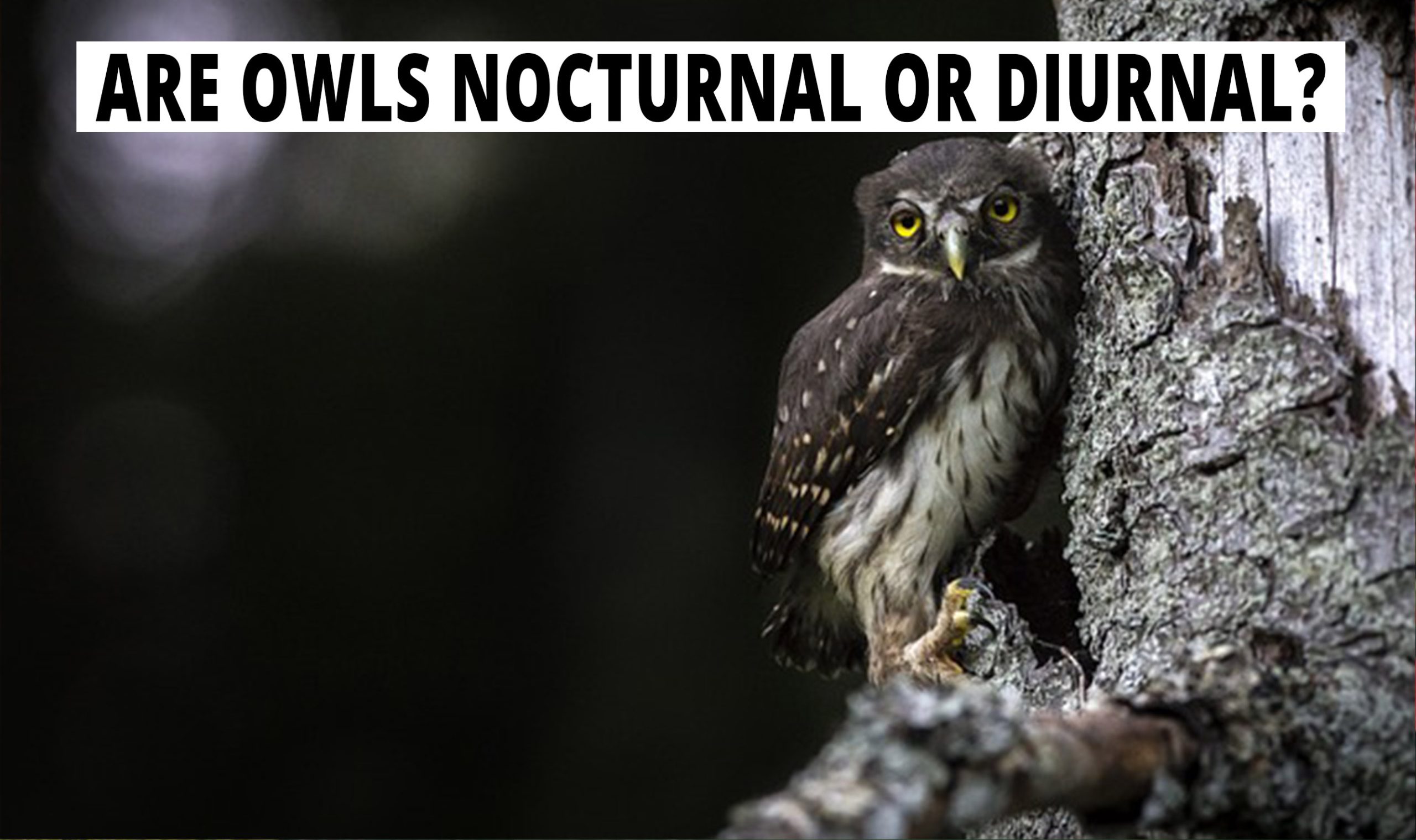
Owls have long fascinated humanity with their mysterious nocturnal lifestyle, silently soaring through moonlit skies and symbolizing wisdom and enigma. Their nighttime habits are more than just a curious trait—they intricately shape their behavior, habitat requirements, and ultimately, the strategies needed to conserve them. But what if the tables were turned? Imagine owls as diurnal creatures, active under the bright sun instead of the cover of darkness. This hypothetical shift provokes a profound reevaluation of conservation approaches, encompassing ecology, human interactions, and the nuances of environmental stewardship.
Behavioral Adaptations and Their Conservation Implications
Nocturnality in owls is not merely a temporal preference; it dictates their hunting strategies, sensory adaptations, and vulnerability. Their acute night vision and extraordinary hearing allow them to exploit a niche that daytime raptors do not. Were owls diurnal, these unique adaptations would be fundamentally altered. Conservation efforts would need to pivot accordingly.
Diurnal owls would likely compete directly with hawks, eagles, and falcons for food sources and territory. This shift could reduce their ecological uniqueness, demanding conservationists to consider interspecies competition more explicitly. Habitat preservation efforts might focus on larger, more diverse spaces supporting multiple predator species simultaneously, rather than the more specialized nocturnal niches currently favored by owl populations.
Moreover, a diurnal existence dramatically changes risk exposure. Owls active during the day encounter increased human activity and anthropogenic disturbances. Conservation strategies would therefore need to mitigate threats such as habitat fragmentation from urban sprawl, vehicle collisions, and direct human–wildlife conflicts. Educational programs would be crucial to shift public perceptions, fostering coexistence rather than fear or indifference.
Habitat and Environmental Dynamics
Owls’ nocturnal habits afford them certain environmental advantages—cooler temperatures, reduced predator encounters, and access to prey that are themselves nocturnal. Diurnal owls would have to navigate a different set of ecological parameters, reshaping habitat conservation priorities. Areas that currently serve as essential roosting sites might lose prominence, supplanted by the need for protected daytime hunting grounds:
- Sunlight Exposure: Diurnal owls would require habitats that offer ample sunlit areas for hunting but also adequate shade and shelter to avoid overheating.
- Vegetation Structure: Trees and shrubbery providing daytime cover would become paramount. Conservationists might prioritize preserving dense foliage that minimizes exposure to predators and human observation during resting periods.
- Hydrological Considerations: Water sources frequented by prey during daylight would influence owl distribution patterns, necessitating integrated aquatic-terrestrial conservation planning.
This alteration in habitat use would make protection efforts more complex, involving multi-layered ecosystem management to sustain the nuanced needs of diurnal owls amid changing climatic and human pressures.
Diet, Prey Availability, and Conservation Challenges
Owls’ diet predominantly consists of small mammals, insects, and occasionally birds, many of which are nocturnal themselves. If owls were diurnal, the prey base would shift drastically, constraining or expanding dietary choices depending on local ecology. Prey species active during daylight might include songbirds, reptiles, and diurnal rodents, each presenting distinct conservation challenges:
- Prey Population Monitoring: Conservationists would need more elaborate monitoring of diurnal prey populations, focusing on their susceptibility to habitat alterations.
- Food Web Interactions: New predatory relationships could emerge, demanding a more holistic ecosystem management approach to balance owl sustenance without tipping prey species into decline.
- Pesticide Exposure: Diurnal prey is often more exposed to pesticides and pollutants; thus, owls would face increased risk of bioaccumulation. Conservation plans would need to address chemical contaminants with greater urgency.
The nutritional flexibility of owls would be tested in this hypothetical scenario, prompting a revision of conservation paradigms from prey protection to food chain integrity on broader levels.
Human-Wildlife Interactions and Societal Perceptions
The veil of darkness shields nocturnal owls from much direct human scrutiny and interference. As creatures of the night, they often elude urban development conflicts and can benefit from many forms of indirect protection. If diurnal, owls would become conspicuous, exposed to human activity and sometimes conflict:
- Increased Disturbance: Daytime human presence may disrupt hunting and breeding behaviors, making owl populations more sensitive to disturbance.
- Conflict Management: Diurnal owls might be perceived as threats to poultry or small livestock, requiring targeted mitigation strategies to minimize retaliatory harm.
- Ecotourism and Education: On a positive note, visibility during daylight could enhance appreciation and education about owls, spurring more active community-based conservation efforts.
Conservationists would be tasked with delicate balancing acts—reducing conflict while amplifying support through awareness campaigns, habitat corridors, and inclusive policy-making that integrates local communities.
Research, Monitoring Strategies, and Conservation Technologies
Nighttime fieldwork inherently complicates research on owls due to limited visibility and accessibility. Transitioning to diurnal activity would revolutionize how scientists study these birds. Monitoring could become more straightforward with daylight facilitating visual observations, photography, and real-time behavioral studies.
Technology’s role would evolve as well. Remote sensing tools, drone surveillance, and acoustic monitoring protocols tailored to daylight environments could enhance data collection. Conservation models could benefit from richer, more granular data sets, enabling more dynamic management interventions. Citizen science initiatives might flourish, with increased opportunities for the public to engage directly in conservation monitoring and advocacy.
However, these advancements would come tempered by the increased exposure of owls to human presence and the corresponding risks that visibility entails. Ethical considerations around intrusion and disturbance would become paramount in research protocols.
Legislative and Policy Framework Adjustments
The defining characteristics of wildlife species often shape the legislative frameworks built to protect them. Laws and regulations crafted with nocturnal habits in mind would require reconsideration if owls adopted a diurnal schedule. For example:
- Protected Hours and Activity Zones: Policies regulating human activity near owl habitats might shift from nighttime curfews to daytime restrictions.
- Urban Planning and Land Use: Daylight activity would increase the necessity for green space integration within urban environments to accommodate owls’ hunting and breeding needs.
- Pollution Controls: Enhanced air and noise pollution regulations could become more critical to mitigate impacts on owls and their diurnal prey.
Conservationists and policymakers would need to devise adaptive legislation, seamlessly weaving biological realities with socio-economic priorities to safeguard owl populations in their new temporal niche.
Conclusion: A Paradigm Shift in Conservation Philosophy
Imagining owls as diurnal rather than nocturnal creatures triggers a cascading transformation across the entire conservation spectrum. From behavior and habitat needs to human interaction and legislative frameworks, every facet intertwines into a complex mosaic of challenges and opportunities. This thought experiment underscores the intrinsic link between an organism’s biology and the stewardship required to protect it effectively.
Ultimately, the shift would demand a more integrated, interdisciplinary approach—one that embraces ecological complexity, anticipates anthropogenic pressures, and fosters coexistence within the shared tapestry of daylight ecosystems. Owls in the sun might lose some of their mystique but gain new significance as powerful ambassadors for adaptive conservation in a changing world.