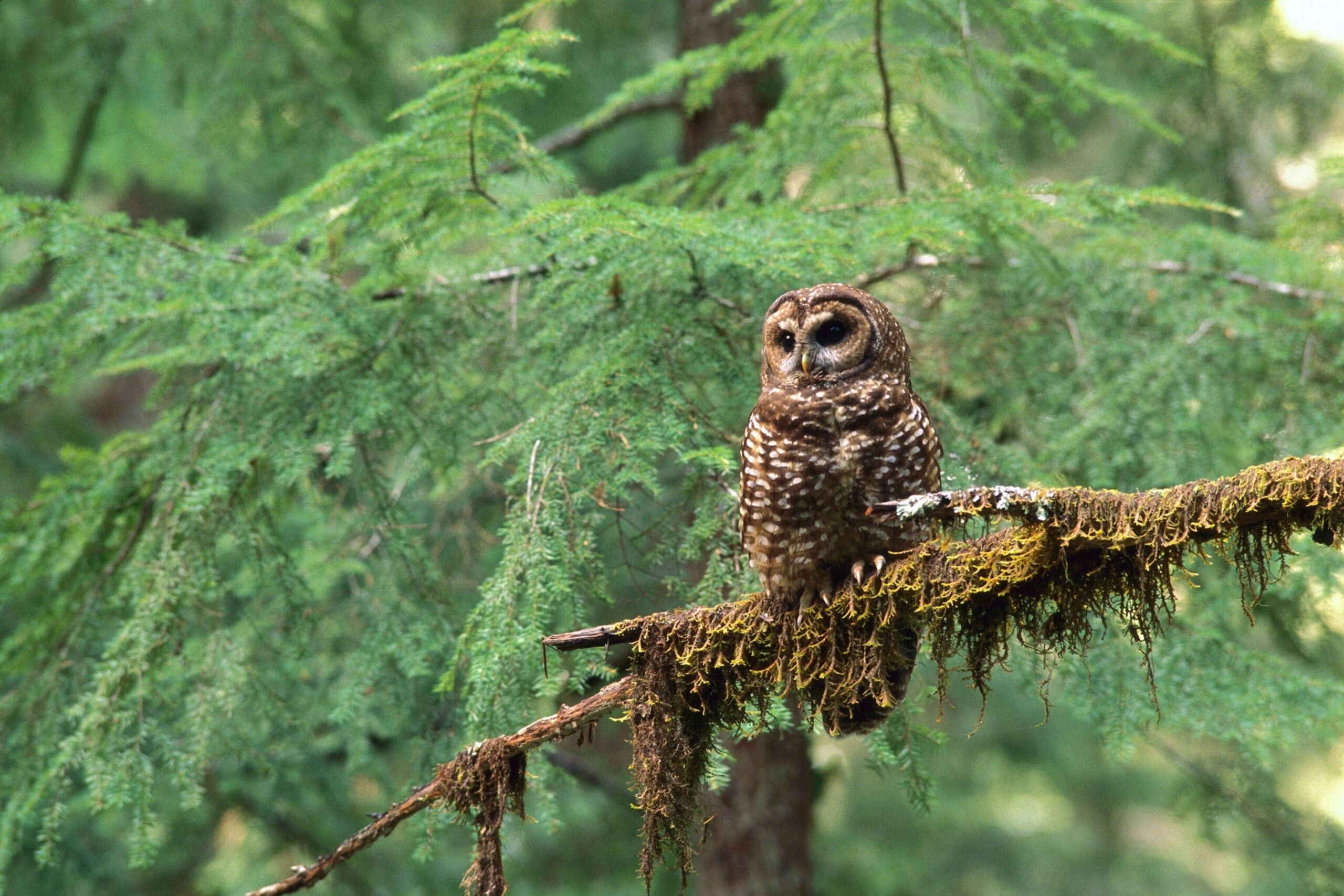
In the quiet hush of twilight, when the world slows its frenetic pace, a silent sentinel takes flight. Owls—those enigmatic, feathered philosophers of the night—are far more than mere symbols of wisdom or harbingers of superstition. They are ecological architects, whispering secrets of restoration to the landscapes they traverse. As ecosystems groan under the weight of human exploitation, these nocturnal predators emerge as unsung heroes, their presence catalyzing the rebirth of degraded terrains. From the skeletal remains of clear-cut forests to the scarred expanses of abandoned farmlands, owls are stitching back the frayed edges of nature’s tapestry. Their role in ecological restoration is not just profound; it is revolutionary, a testament to the intricate, often invisible threads that bind life together.
The Silent Architects: How Owls Engineer Biodiversity Hotspots
Owls are the clandestine landscapers of the natural world, their hunting grounds morphing into biodiversity hotspots through a cascade of ecological interactions. When an owl establishes territory, it does more than claim a patch of sky—it transforms the very fabric of the land. Their pellets, those compact bundles of fur and bone regurgitated with clinical precision, become nutrient-rich compost for the soil. This organic alchemy enriches the earth, fostering the growth of native flora that, in turn, attracts a menagerie of insects, small mammals, and birds. The result? A thriving microcosm where life proliferates in the shadows of the owl’s watchful gaze.
Consider the barn owl, a ghostly specter of the night, whose presence alone can resurrect ailing grasslands. By preying on rodents that gnaw at the roots of grasses, owls inadvertently protect the vegetation that holds the soil together. This prevents erosion, a silent killer of degraded lands, and allows native plants to reclaim dominance. In regions where invasive species have choked out diversity, owls act as ecological referees, tipping the balance back in favor of indigenous life. Their impact is not just biological; it is architectural, reshaping the land one pellet at a time.
The Night Shift: Owls as Pest Control and Pollinator Allies
In the relentless battle against agricultural pests, owls are the ultimate mercenaries—efficient, tireless, and free of charge. Farmers in India, Africa, and South America have long harnessed the power of these raptors to curb rodent infestations without resorting to chemical warfare. A single barn owl family can devour thousands of rats in a year, sparing crops from destruction and reducing the need for toxic pesticides that poison the soil and water. This natural pest control is not just cost-effective; it is a lifeline for small-scale farmers teetering on the edge of economic survival.
But owls’ contributions extend beyond the fields. Their nocturnal habits make them inadvertent pollinator protectors. By keeping rodent populations in check, they prevent these pests from feasting on the seeds and young shoots of flowering plants. In doing so, owls safeguard the pollinators—bees, butterflies, and moths—that depend on these plants for nectar and habitat. The symbiotic dance between owls, plants, and pollinators is a delicate waltz, one that ensures the perpetuation of life in ecosystems teetering on collapse. Without owls, this waltz falters, and the music of biodiversity falls silent.
From Ruins to Revival: Owls in Post-Industrial Landscapes
The scars of industry—abandoned mines, deforested hills, and urban wastelands—are not dead zones. They are canvases awaiting the brushstrokes of restoration, and owls are the artists wielding the paint. In the Appalachian coal country, where mountaintop removal has left the land gasping, owl nest boxes have been installed to lure these birds back. Their presence accelerates the return of vegetation, as their prey inadvertently fertilizes the soil with their droppings and uneaten remains. The result is a slow but steady greening of the landscape, a phoenix-like rebirth from the ashes of exploitation.
Even in the heart of cities, owls are rewilding the concrete jungle. Peregrine falcons and great horned owls have been spotted nesting in the skeletal remains of old factories and skyscrapers, their young fledging into a world where nature and urbanity collide. These urban owls are not just survivors; they are pioneers, proving that restoration is possible even in the most unlikely of places. Their success stories are a rallying cry for rewilding initiatives, demonstrating that degraded ecosystems are not beyond redemption—if we only give them the chance.
The Cultural and Spiritual Resonance of Owls in Restoration
Beyond their ecological roles, owls carry a cultural weight that transcends borders and centuries. In many indigenous traditions, they are revered as messengers between the physical and spiritual worlds, their hoots echoing the rhythms of the earth itself. This spiritual connection imbues owl-led restoration with a sacred dimension. When communities collaborate with owls to heal the land, they are not just engaging in a scientific endeavor; they are participating in a ritual of reciprocity. The land gives life; owls mediate that gift; and humans, in turn, honor the cycle by nurturing both.
This cultural synergy is particularly potent in regions where colonialism and industrialization have severed the bonds between people and the land. In Australia, for example, Aboriginal communities have long viewed owls as custodians of the night, their presence a sign of ecological balance. By integrating traditional knowledge with modern restoration techniques, these communities are reviving both the land and their cultural heritage. Owls, in this context, are not just ecological engineers; they are cultural bridges, reconnecting humans to the rhythms of the natural world.
Practical Steps: How to Invite Owls into Your Restoration Efforts
For those inspired to harness the power of owls in their own restoration projects, the path is both simple and profound. The first step is to create or preserve habitat. Installing nest boxes in deforested areas or leaving dead trees standing (a practice known as “snag retention”) provides owls with the hollows they need to nest. Planting native vegetation is equally crucial, as it attracts the prey owls depend on and restores the ecological web that sustains them.
Education is another vital tool. Many people still view owls with suspicion or fear, unaware of their ecological importance. By dispelling myths and sharing the stories of owl-led restoration, we can foster a culture of appreciation and protection. Citizen science projects, such as owl monitoring programs, empower communities to take an active role in conservation, turning passive observers into stewards of the night.
Finally, policy must align with practice. Governments and conservation organizations must prioritize owl-friendly land management, from reducing pesticide use to protecting old-growth forests. Incentives for farmers to adopt owl-based pest control can revolutionize agriculture, making it sustainable rather than extractive. The future of restoration is not just in the hands of scientists and policymakers; it is in the hands of every person who chooses to see owls not as mere creatures of the night, but as partners in healing the earth.
The story of owls and ecological restoration is one of quiet revolution—a testament to the power of nature’s unseen forces. In their silent, steady flight, owls remind us that restoration is not a sprint but a marathon, a process of patience, persistence, and profound interconnectedness. As we stand on the precipice of environmental collapse, these feathered guardians offer a glimmer of hope. They show us that even in the darkest of nights, life finds a way to flourish, if only we give it the chance to take root.