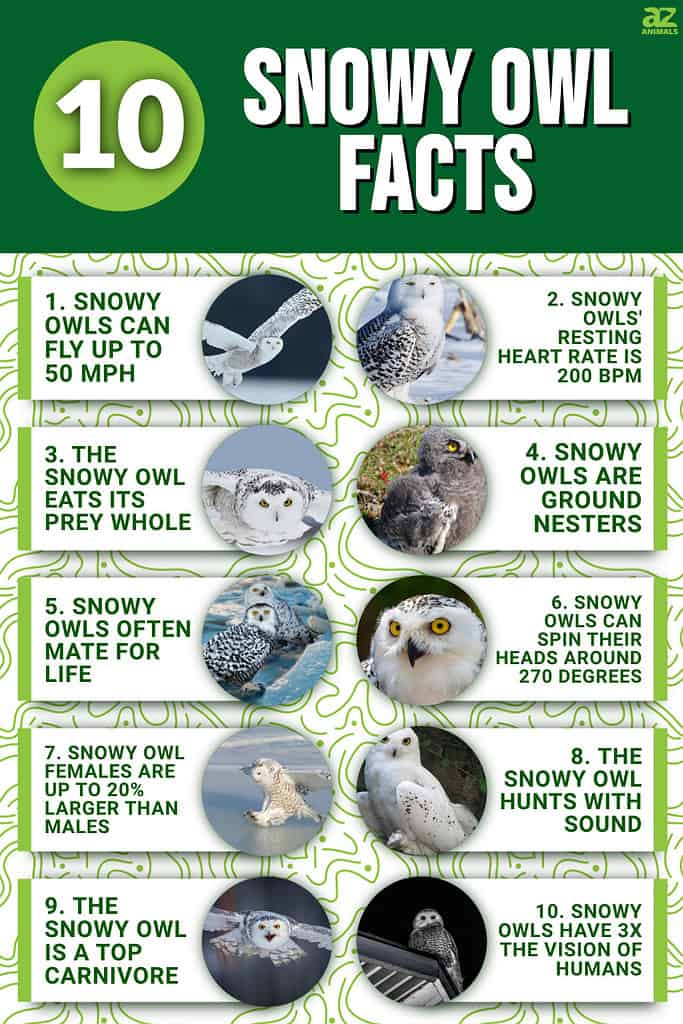
The hauntingly majestic snowy owl, with its ghostly white feathers and piercing yellow eyes, captivates the imagination of many. Often seen as a symbol of the Arctic’s untouched wilderness, these remarkable birds are far more than captivating creatures of the cold. Beneath their silent flight lies a struggle woven deeply into the fabric of the changing Earth. At the heart of this struggle is a chilling reality: climate-driven habitat loss is swiftly becoming the gravest threat to the survival of snowy owls. Understanding this transformation not only invites us to look beyond the striking image of the owl but also compels us to confront the fragile ecosystems that sustain them.
The Arctic Sanctuary: A Fragile Fortress
Snowy owls uniquely embody the spirit of the Arctic tundra. Their entire life cycle—from breeding to hunting—is bound to the cold expanses characterized by permafrost, sparse vegetation, and an abundance of prey like lemmings. This pristine habitat is no mere backdrop; it is a finely balanced ecosystem sculpted by millennia of climatic conditions. The tundra’s frozen soil regulates water flow, supports specific plant communities, and creates a rhythmic dance of life adapted to short, intense summers and long, frigid winters. Even the snowy owl’s snowy plumage is a testament to evolutionary tuning, camouflaging them seamlessly amidst the bleached landscape.
Yet, this sanctuary is anything but invincible. The unyielding grip of permafrost begins to thaw under the increasingly warm Arctic air. The very foundation that shapes the snowy owl’s domain is shifting, leading to unpredictable changes in vegetation and water availability. This domino effect begins a cascade of consequences that ripple through the entire food web, impacting every feathered denizen.
Climate Change: The Invisible Architect of Decline
On the surface, the plight of the snowy owl might appear as a straightforward result of habitat loss. But the underlying architect of this crisis is much more inscrutable: global climate change. Unlike episodic disasters, climate change is a pervasive force altering the fundamental nature of habitats over time. In the Arctic, temperatures are rising at twice the global average—a phenomenon known as Arctic amplification. This acceleration is dismantling frozen landscapes, pushing species like the snowy owl into an existential quandary.
With warmer winters, the timing and abundance of prey become erratic. Lemming populations, the snowy owl’s staple, plunge and peak unpredictably. Without sufficient prey, snowy owls suffer reduced reproductive success and lower survival rates. The fragmentation of habitat continues as shrubs creep northward, altering the tundra’s open vistas into patchy woodlands less suitable for the owl’s hunting style. This evolution of the landscape is an unseen predator, stealthily eroding the owl’s foothold.
The Domino Effect: Ecological Cascades Beyond the Owl
Snowy owls do not stand alone in their struggle. They are keystone indicators, species whose fortunes reflect the broader health of the Arctic ecosystem. As their territories degrade, so too does the intricate balance of predator-prey dynamics. The decline of lemmings due to habitat shifts forces snowy owls to embark on longer, more hazardous migrations in search of food, sometimes venturing into unfamiliar territories where they face new threats.
Moreover, the shrinking ice and changing vegetation influence other species such as foxes, hares, and migratory birds, all interwoven with the snowy owl’s existence. This ecological cascade underlines the vast interconnectedness of life in the Arctic and illustrates how climate-driven habitat loss transcends a single species, reverberating across entire ecosystems and even human communities that rely on Arctic biodiversity.
Human Footprints in an Arctic Dream
While natural climatic forces are primary drivers, human activities compound the snowy owl’s predicament. Expanding fossil fuel extraction, infrastructure development, and pollution introduce new stressors into the Arctic. Each oil rig, road, or mining operation fragments habitats further, creating barriers that inhibit movement and dispersal of snowy owls. Contamination of water and prey through chemical pollutants adds yet another layer of vulnerability.
These anthropogenic pressures, combined with shifting climate regimes, create a novel environment—one that snowy owls have never faced before in their evolutionary history. Theirs is now a race against time to adapt or relocate, with the odds heavily stacked by human-induced disruptions.
A Call for Adaptive Conservation Strategies
Traditional conservation methods anchored on static protected areas fall short when dealing with such dynamic and large-scale environmental changes. Protecting today’s habitat does not guarantee a haven tomorrow. Conservation efforts must evolve to embrace flexibility and resilience, anticipating future shifts in snowy owl habitats as climate trends unfold.
This means prioritizing landscape connectivity to ensure migratory pathways remain open, monitoring prey populations intricately to predict owl reproductive success, and integrating climate models to guide protective measures that can pivot quickly. Moreover, reducing greenhouse gas emissions globally remains the linchpin to stabilizing the Arctic’s environmental fate.
Community engagement looms large in conservation success. Indigenous knowledge, blended with scientific research, offers invaluable insights into ecological changes and sustainable stewardship practices that benefit both wildlife and people. Ultimately, saving the snowy owl demands a mosaic of strategies woven together by urgency, cooperation, and foresight.
An Invitation to Witness and Protect a Vanishing Wonder
The snowy owl is not merely a symbol of the Arctic’s stark beauty but a sentinel signaling the health of our planet’s coldest realms. Behind the iconic visage lies a story of resilience challenged by forces far beyond their control—the relentless march of climate change sculpting new realities for existence. As their habitats dwindle and transform, we are invited to rethink our relationship with the environment.
Each snowy owl that glides silently over frosted plains urges us to listen—to the whispers of melting ice, to the cry of shifting ecosystems, and to the imperative call for action. Their survival hinges not just on isolated efforts but on a profound shift in how humanity perceives and interacts with the natural world. In protecting their sanctuary, we safeguard a legacy not just for the snowy owl, but for the future of all life connected to the Arctic’s fragile heartbeat.