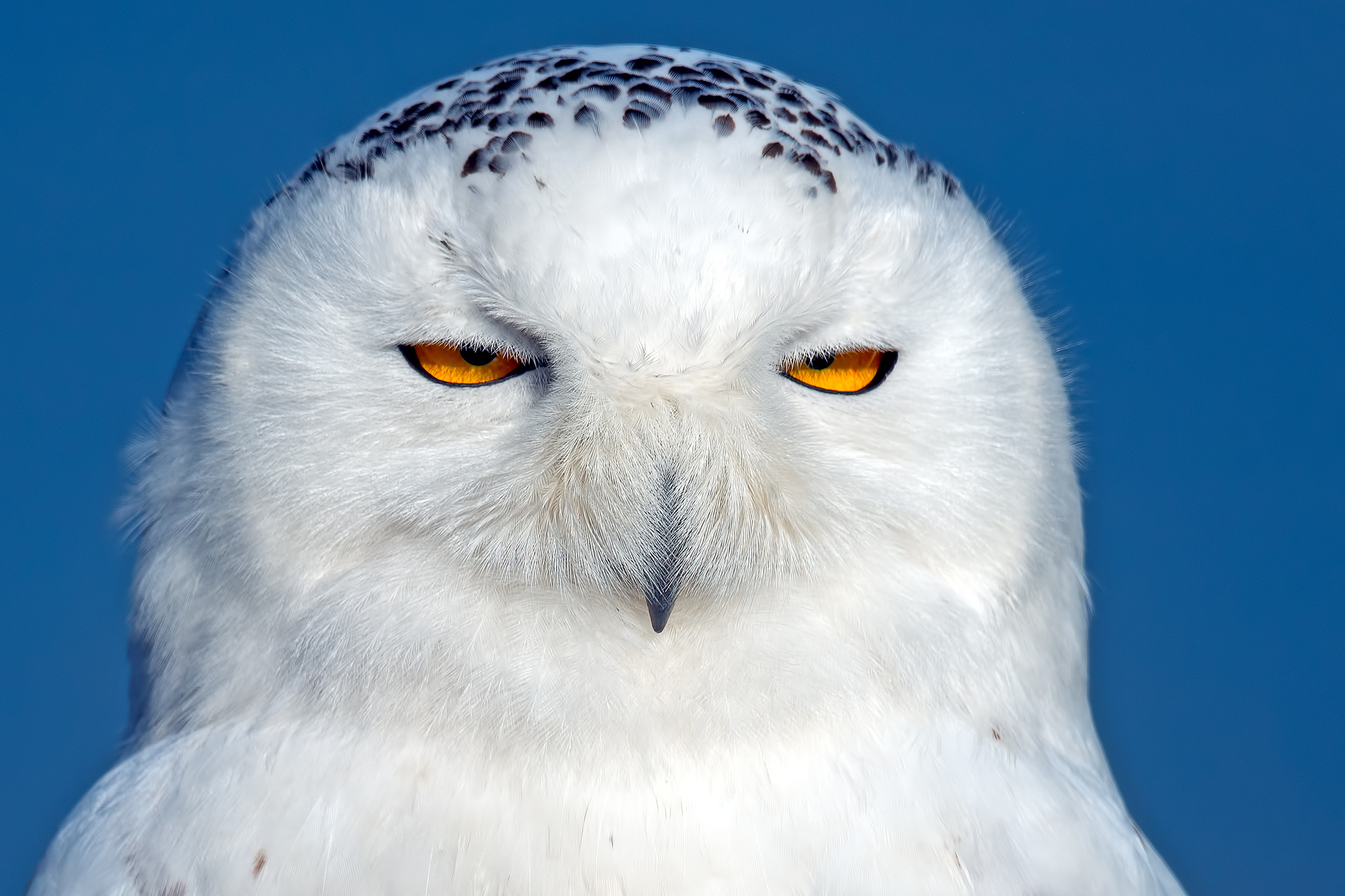
There exists a creature woven from the whispered breath of winter storms and the silent majesty of frost-laden forests—the snowy owl. Its alabaster plumage, luminous as an Arctic moonbeam, and those piercing golden eyes serve as an emblematic beacon amidst endless tundra twilight. This enigmatic bird has not only captivated the eyes of naturalists and dreamers alike but has also woven itself into the fabric of music, inspiring composers and songwriters to translate its ethereal presence into auditory art. The snowy owl’s spectral allure becomes a metaphor for otherworldly beauty, solitude, and winter’s profound, haunting poetry through countless melodies and symphonies.
The Snowy Owl as a Sonic Metaphor: Winter’s Whisper and Arctic Solitude
The snowy owl’s haunting silhouette against the vast Arctic expanse evokes a haunting metaphor frequently embraced by composers seeking to conjure emotions that dwell between wonder and desolation. In music, the owl’s presence suggests solitude’s solemn grace, an eerie sentinel of frozen landscapes, and the delicate balance of survival in harsh realms. The phoenix of winter, it becomes a vessel through which melodies capture the icy breath of northern nights—fragile, yet resolute. Composers co-opt the snowy owl as a silent narrator, its wings slicing through audial space like a soft crescendo or a whispered sotto voce.
By invoking this creature, musicians draw parallels to the sprawling quiet and introspection of Arctic environments. In doing so, they endow their compositions with a rarefied ambiance. The owl’s cry, echoing a sharp and vibrant call in the otherwise muted tundra, has inspired soundscapes that utilize sparse instrumentation and haunting vocalises, often with reverb-drenched notes that mimic the owl’s spectral presence. A sweeping metaphor arises: the snowy owl personifies the haunting intersection of life and silence, the ephemeral beauty in survival against all odds, and the clarity birthed by isolation.
Classical Compositions Embracing Arctic Inspiration
Throughout the 20th and 21st centuries, classical composers have been drawn to the narrative that the snowy owl so gracefully embodies. Some have ventured into programmatic music—compositions that tell a story or describe a scene—to mirror the bird’s majestic flight and the unusually stark beauty of its habitat. These scores often employ fluttering woodwinds to mimic feathers brushing cold air, delicate piano arpeggios evoking falling snow, and shimmering string tremolos representing the crystalline environment.
One notable example surfaces in Scandinavian and Russian classical music, where the snowy owl stands as a potent symbol in cultural imagination. Composers like Jean Sibelius and Dmitri Shostakovich, though not explicitly writing about the snowy owl, incorporate sonic elements that summon the Arctic’s chill and the mystical aura of winter birds. Modern composers continue this tradition with evocative orchestrations that celebrate the snowy owl’s stark, spectral beauty through an auditory froststorm. Their compositions encourage listeners to drift into a serene yet mystical realm, embracing the owl’s ethereal glide through frozen nights.
The Snowy Owl in Contemporary and Folk Music: Nature’s Muse in Melodic Storytelling
Beyond orchestral halls, the snowy owl penetrates the domain of contemporary and folk music, where storytelling intertwines with raw, emotional timbres. Its image—a solitary wanderer of the Arctic twilight—fits seamlessly into lyrical narratives exploring themes of introspection, mystery, and the enigmatic forces of nature. The bird’s luminous presence becomes an emblem of guidance and wisdom, etched into the verses of singer-songwriters and indie musicians alike.
In folk ballads and ambient soundscapes, the snowy owl is often the enigmatic protagonist who guides wayward souls or illuminates paths obscured by shadow and frost. This symbolism extends to themes of rebirth and inner clarity, making the owl a metaphorical compass through emotional and existential wilderness. The plumage’s stark whiteness echoes in minimalist melodies and sparse arrangements, amplifying the serene yet somber tone these artists aspire to evoke.
The owl’s eerie yet beautiful calls have been sampled and interwoven into compositions, adding atmospheric layers that bring the Arctic soundscape indoors. This blend of natural and musical elements enriches the listening experience, creating a bridge between human emotions and the untamed beauty of the icy wilderness.
Iconography and Impact: Why the Snowy Owl Captivates Composers
The plush whiteness of the snowy owl transcends physical form to become a symbol saturated with cultural and mythopoetic weight—purity juxtaposed with mystery, resilience fused with quiet majesty. Composers find in this iconography a fertile ground for expressing abstract concepts through tone and texture. The bird’s remarkable adaptability to untamed, hostile environments serves as a sonic metaphor for perseverance and transcendence, qualities highly prized in musical storytelling.
Moreover, the snowy owl’s nocturnal habits inspire an intriguing duality: it is both a creature of shadow and illumination. This dualism permeates the music it inspires, with compositions often navigating between light and darkness, stillness and motion. The owl’s spectral flight is emblematic of music’s power to glide through intangible emotional territories—an auditory embodiment of the sublime and ephemeral.
In visual art intersecting with music, the snowy owl often appears on album covers and promotional imagery, further cementing its role as a muse. Its striking appearance imbues projects with a wintry mystique that complements the sonic architecture crafted within the music itself.
Conclusion: The Unfading Echo of the Arctic’s Ghostly Songbird
The snowy owl in music is not merely an avian motif. It is a profound symbol and a bridge between worlds—the earthly and the ethereal, the natural and the artistic, silence and sound. Its ghostly presence inspires composers to craft musical narratives imbued with the stark beauty and primal poetry of the Arctic wilderness. Each note, each hushed passage, becomes a tribute to this enigmatic sentinel of snow and silence.
In an age saturated by noise and rapid change, the snowy owl’s whisper reminds us of a timeless beauty—one that thrives in solitude and mystery. Through songs and symphonies, its impact resonates far beyond the frozen tundra, settling in the heart’s quiet corners, urging listeners to listen—to nature, to themselves, and to the haunting stillness that only the Arctic’s white-winged guardian can evoke.