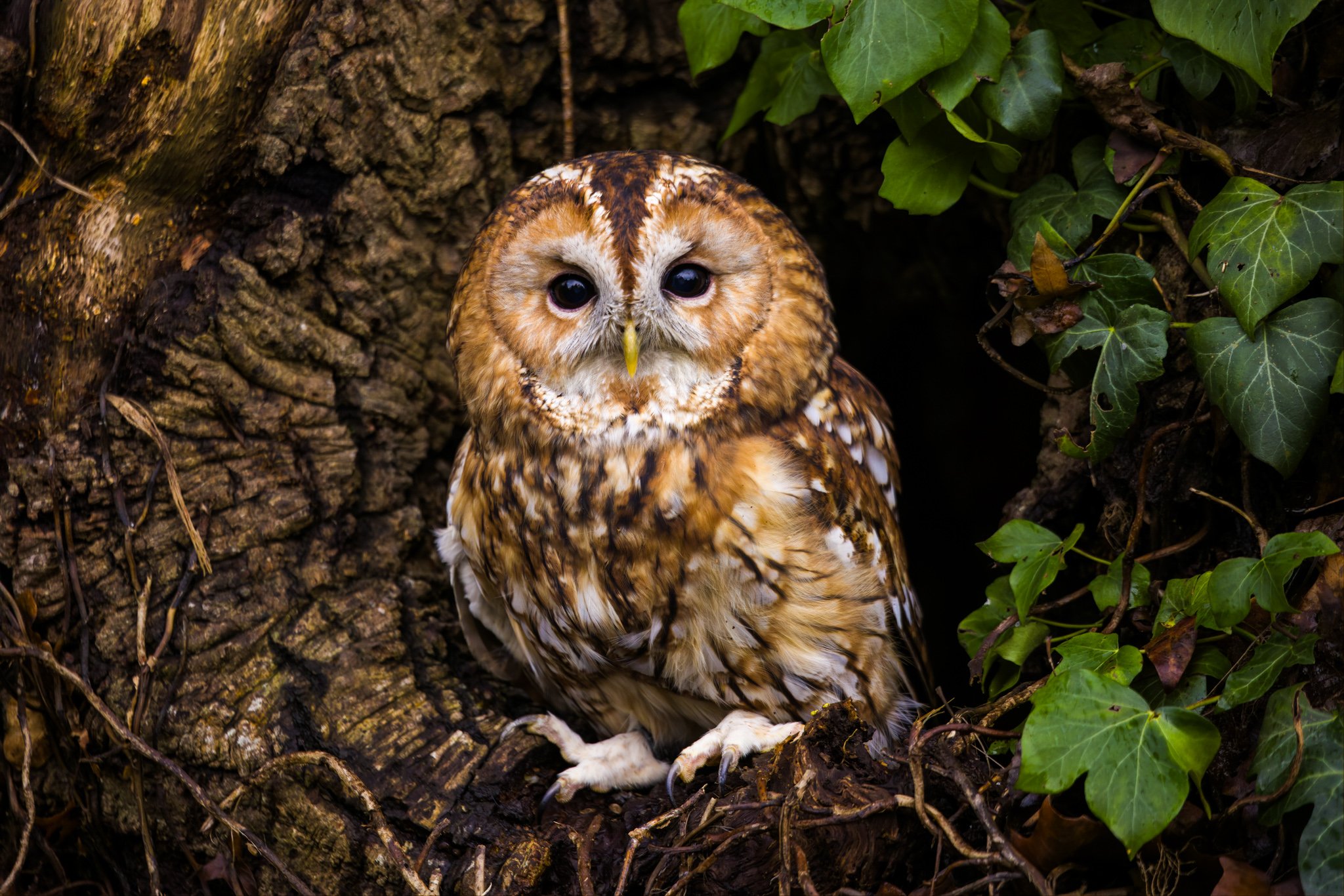
In the quiet hush of twilight, when the world slows to a whisper, the owl emerges—not as a specter of myth, but as a living emblem of nature’s precision. These birds, with their silent wings and luminous eyes, have long captivated human imagination, yet their survival is increasingly threatened by forces unseen in the shadows of policy. The owl’s enigmatic presence, both feared and revered, masks a deeper fragility. It is not just the loss of habitat or the encroachment of urban sprawl that endangers them; it is the absence of deliberate, visionary policy that could tilt the balance in their favor. How, then, might a shift in governance and legislation transform owl protection from a reactive struggle into a proactive safeguard? The answer lies not in isolated measures, but in a symphony of systemic change—one that harmonizes conservation with human development, and reverence with responsibility.
The Silent Decline: Why Owls Are Vanishing Before Our Eyes
To understand the urgency of policy reform, we must first confront the stark reality of owl decline. These nocturnal sentinels are vanishing at a rate that evades casual observation, slipping away like shadows in the dusk. Habitat fragmentation, a consequence of deforestation and agricultural expansion, isolates populations, rendering them vulnerable to genetic bottlenecks and local extirpation. Pesticide use, particularly neonicotinoids, decimates their prey base—rodents and insects—while bioaccumulation poisons the owls themselves. Climate change further disrupts nesting cycles and prey availability, pushing species like the barn owl and spotted owl toward ecological oblivion.
Yet the most insidious threat may be the one least discussed: the erosion of legal safeguards. Many owl species are not formally listed under endangered species acts, leaving them without critical habitat protections or funding for recovery. Without policy enforcement, even well-intentioned conservation efforts falter. The owl’s decline is not a sudden collapse, but a slow unraveling—a creeping attrition that demands a response as deliberate as the owl’s own hunting strategy.
Policy as a Keystone: How Legislation Can Anchor Conservation
Imagine policy not as a static document, but as a living framework—one that evolves with ecological needs. The first pillar of transformation lies in strengthening endangered species legislation. By expanding the scope of protected species and mandating habitat conservation plans, governments can ensure that owl populations are not treated as afterthoughts. For instance, the U.S. Endangered Species Act, though imperfect, has proven instrumental in the recovery of the northern spotted owl. Yet its reach must extend globally, particularly in regions where owl diversity is highest, such as the tropical forests of Southeast Asia and the Amazon.
Equally vital is the integration of owl conservation into land-use policies. Zoning laws can designate critical owl habitats as no-development zones, while agricultural subsidies can incentivize practices that reduce pesticide use and preserve hedgerows. In urban areas, building codes can mandate the installation of owl nest boxes, transforming skyscrapers into artificial cliffs for these birds. Policy, when wielded with foresight, can turn adversarial landscapes into sanctuaries.
The Power of Public Funding: Investing in Owl Recovery
Conservation is not a luxury—it is an investment in ecological resilience. Yet funding for owl protection remains woefully inadequate. Governments must prioritize grants for research, habitat restoration, and community-based monitoring programs. The European Union’s LIFE program, which funds nature conservation projects, offers a model worth emulating. Similarly, tax incentives for landowners who adopt owl-friendly practices can bridge the gap between private interests and public good.
Public funding must also extend to technological innovation. GPS tracking, acoustic monitoring, and AI-driven camera traps can provide real-time data on owl populations, enabling policymakers to act before crises escalate. Without financial commitment, even the most robust policies remain theoretical—beautiful words on paper, unfulfilled promises in the wild.
Community as Co-Conspirator: Engaging Local Stewards
No policy succeeds in isolation. The most effective conservation strategies are those that enlist local communities as partners, not spectators. Indigenous knowledge, for example, holds invaluable insights into owl behavior and habitat needs. Policies that incorporate traditional ecological practices—such as controlled burns or sacred grove preservation—can yield outcomes far more sustainable than top-down mandates.
Education campaigns, too, play a pivotal role. By fostering a culture of owl appreciation, communities become stewards of these birds’ survival. School programs, citizen science initiatives, and eco-tourism ventures can transform owls from obscure creatures into symbols of local pride. When people see themselves as part of the solution, policy becomes a shared endeavor, not a distant decree.
Global Alliances: The Necessity of International Cooperation
Owls know no borders. The migratory patterns of species like the short-eared owl span continents, while illegal wildlife trade threatens others, such as the Philippine eagle-owl. International treaties, such as the Convention on Biological Diversity, must be strengthened to address cross-border threats. Collaborative research, shared databases, and joint enforcement efforts can ensure that owl protection transcends geopolitical divides.
Moreover, global supply chains must be scrutinized. Deforestation for palm oil, soy, and timber often destroys owl habitats. Policies that penalize unsustainable practices—such as the EU’s deforestation regulation—can indirectly protect owl populations. The fate of these birds is intertwined with the choices we make thousands of miles away.
The Ripple Effect: How Owl Protection Benefits Us All
Protecting owls is not an act of altruism—it is a survival strategy. These birds are apex predators in their ecosystems, regulating rodent populations and maintaining ecological balance. Their decline can trigger cascading effects, from crop damage to the spread of zoonotic diseases. By safeguarding owls, we protect the intricate web of life that sustains us all.
There is also a deeper, almost spiritual dimension to this endeavor. Owls embody the mysteries of the natural world—their nocturnal habits, their cryptic calls, their ability to navigate the dark. In an era of artificial light and digital noise, they remind us of the beauty in silence, the wisdom in patience. To lose them would be to dim a flicker of the wild that still exists within us.
A Call to Action: What You Can Do
Policy change begins with awareness. Advocate for stronger conservation laws in your community. Support organizations that monitor owl populations and restore habitats. Reduce pesticide use in your garden and install nest boxes if you live in owl territory. Every action, no matter how small, contributes to a larger movement.
The owl’s story is one of resilience and fragility—a tale of survival against the odds. With the right policies, we can ensure that future generations hear their calls echoing through the night, not as echoes of a lost world, but as a testament to our collective will to protect what remains.